.jpeg)
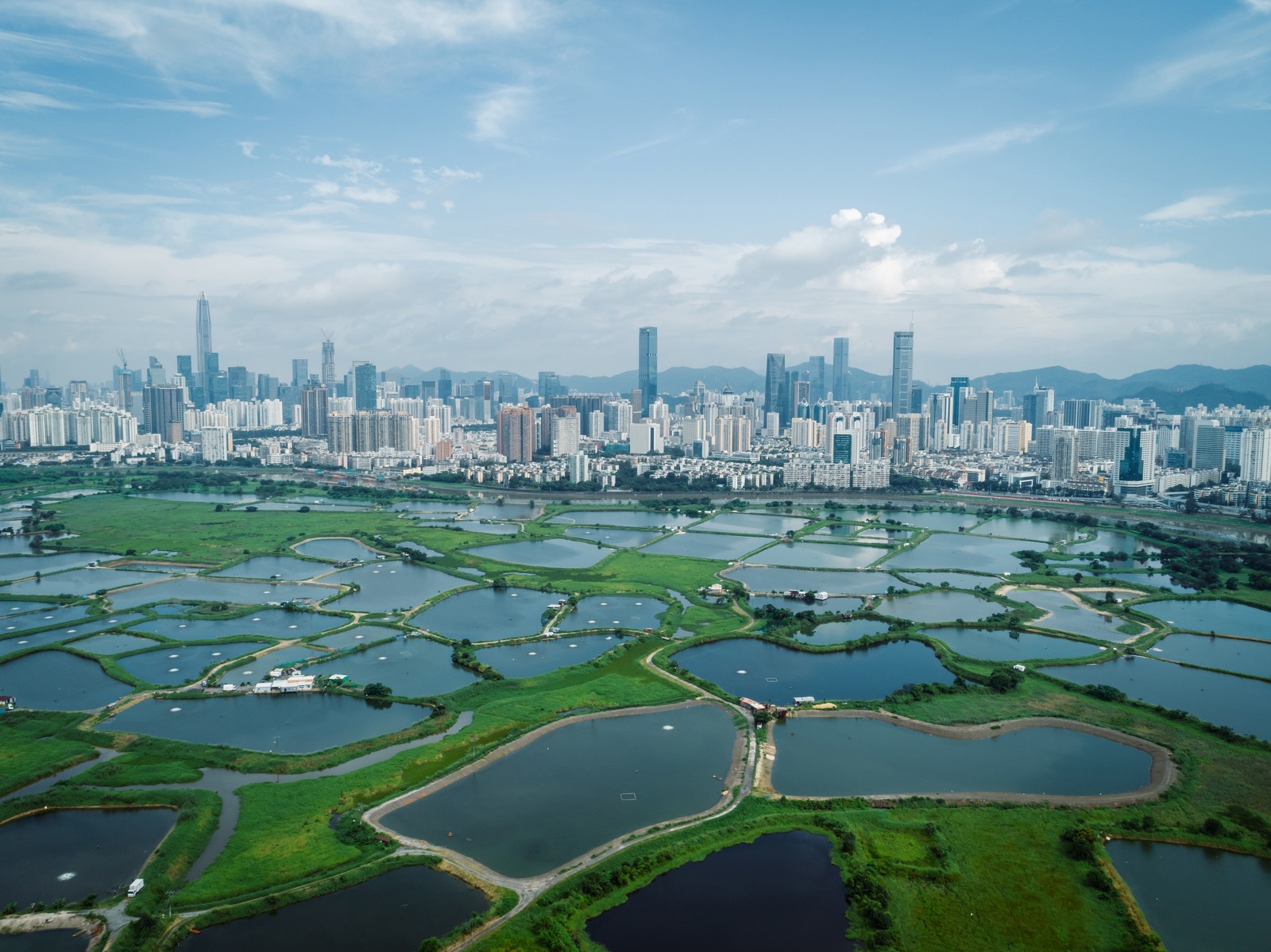
Hong Kong is celebrated for its global dynamism, but the city is also rooted in nature. Despite its incredible urban density, Hong Kong is home to remarkable biodiversity – lush woodlands, coastal wetlands, coral-rich waters, and havens for migratory birds. This mosaic of ecosystems sustains our quality of life, supports our economy and enhances climate resilience.
However, many ecologically valuable areas in Hong Kong are unprotected and face growing pressures from urban expansion and land-use change. Our fragile natural assets face a variety of threats, both old and new. This year, WWF-Hong Kong published the State of Hong Kong Biodiversity 2025 report, delivering the bad news that over a quarter of our city’s assessed major terrestrial animal species face a moderate or high risk of local extinction.
WWF-Hong Kong believes that partnerships are essential to lasting change. By aligning the efforts of governments, businesses and civil society, we can mainstream biodiversity into everyday decisions, whether they concern infrastructure planning, investment strategies, community design, corporate sustainability goals, or other subjects. Integrating nature-based solutions (NbS) and biodiversity considerations across sectors can ensure that both development and conservation goals are met.
This year, WWF-Hong Kong partnered with the Hong Kong Institute of Landscape Architects (HKILA), strengthening our collaboration to advance NbS across Hong Kong. This partnership commits both parties to addressing the twin challenges of climate change and biodiversity loss through innovative, science-based urban design.
HKILA is a professional body dedicated to advancing the landscape architecture profession in Hong Kong. It serves its members through advocacy, continuous professional development, and public outreach, championing the vital role of landscape architects in shaping a sustainable and high-quality living environment.
In March, we signed a Memorandum of Understanding (MoU) with HKILA to promote the adoption of NbS in Hong Kong’s planning, policy, and development frameworks. The MoU establishes a formal platform for joint advocacy, research and professional exchange, leveraging our combined expertise to guide the city towards a nature-positive future.
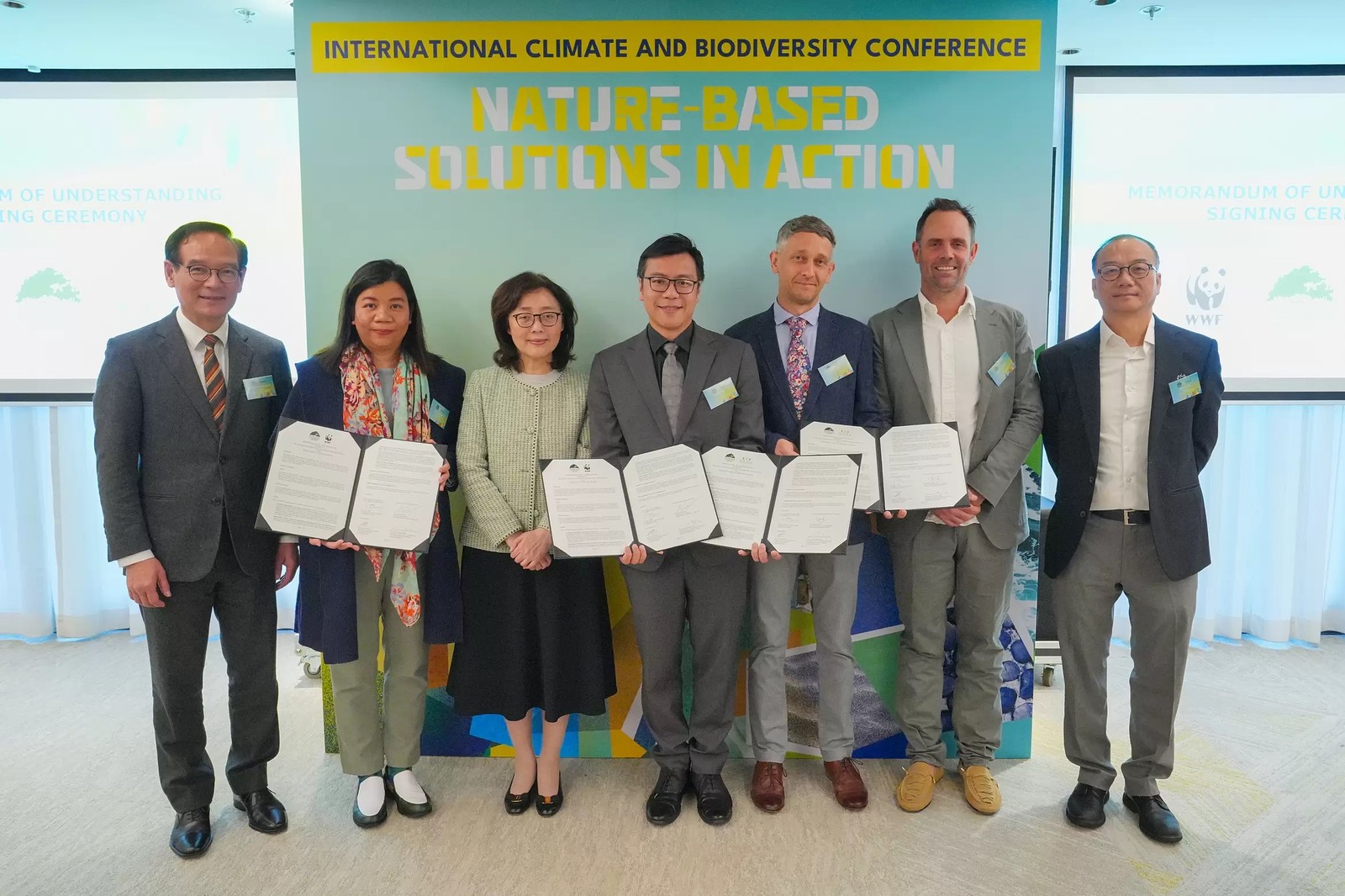
From left to right: Hon. Tony Tse Wai-Chuen, BBS, JP, LegCo Member for the Architectural, Surveying, Planning and Landscape Functional Constituency; Ms. Nicole Wong, CEO of World Wide Fund for Nature Hong Kong (WWF-Hong Kong); Hon. Bernadette Linn, JP, Secretary for Development of the Hong Kong Special Administrative Region; Mr. Paul Chan, President of Hong Kong Institute of Landscape Architects (HKILA); Dr. Stephan Gale, Head of Flora Conservation of Kadoorie Farm and Botanic Garden (KFBG); Mr. Chris Tidswell, President of International Federation of Landscape Architects Asia Pacific Region (IFLA APR); Mr. Ho Wai-chi, Board Member of the Kadoorie Farm and Botanic Garden (KFBG)
Under this strategic partnership, we will develop and recommend best practices for integrating NbS into urban and infrastructure projects. Key focus areas include:
The MoU builds on earlier collaborative work between WWF-Hong Kong and HKILA on a joint submission for the San Tin Technopole development in the Northern Metropolis, in which we proposed climate resilience and eco-friendly design recommendations. These included creating multifunctional green spaces and otter corridors; integrating NbS for flood resilience; limiting building heights to protect migratory bird flight paths; and preserving farmland for heritage and habitat reasons.
_Tommy%20Hui%20(WWF-Hong%20Kong).jpg)
More than a professional alliance, this strategic and visionary partnership that will drive systemic change in how cities are conceived, built and sustained. By aligning landscape architecture and conservation science, the two organisations are creating a unified voice for nature-based city design in Hong Kong.
.jpg)
