Securing Wetlands for a Resilient Future

Font size:
A
A
A

Wetlands are the lifeblood of sustainable development — delivering vital benefits for people, nature, and the economy. They regulate our climate, store carbon, purify water, and safeguard communities against floods and storm surges. As the world faces accelerating biodiversity loss and climate challenges, protecting and restoring wetlands offers one of the most powerful Nature-based Solutions (NbS) to secure our shared future.

In Hong Kong, Mai Po Inner Deep Bay stands as a piece of globally significant wetlands along the East Asian–Australasian Flyway, supporting millions of migratory waterbirds, including many endangered species. The rich ecosystem not only sustains biodiversity but also provides natural protection against extreme weather events.

As the Northern Metropolis development unfolds alongside the Mai Po Inner Deep Bay Ramsar Site, it presents an opportunity to set new benchmarks for urban resilience. Through integrated planning and partnership, we can ensure that wetlands continue to power both ecological and economic vitality — shaping a nature-positive, climate-resilient metropolis for generations to come.

Reviving Hong Kong’s Agricultural Heritage

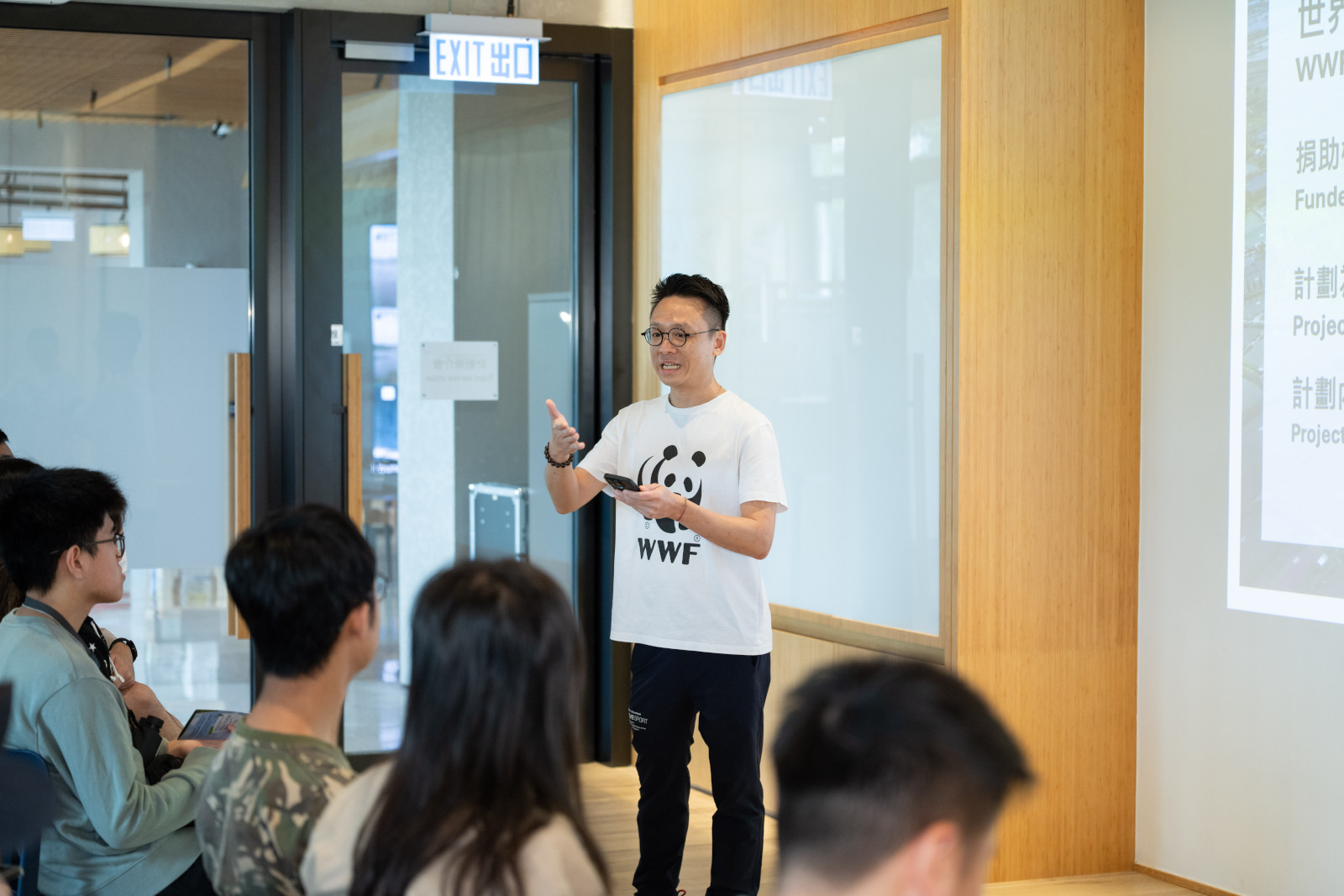
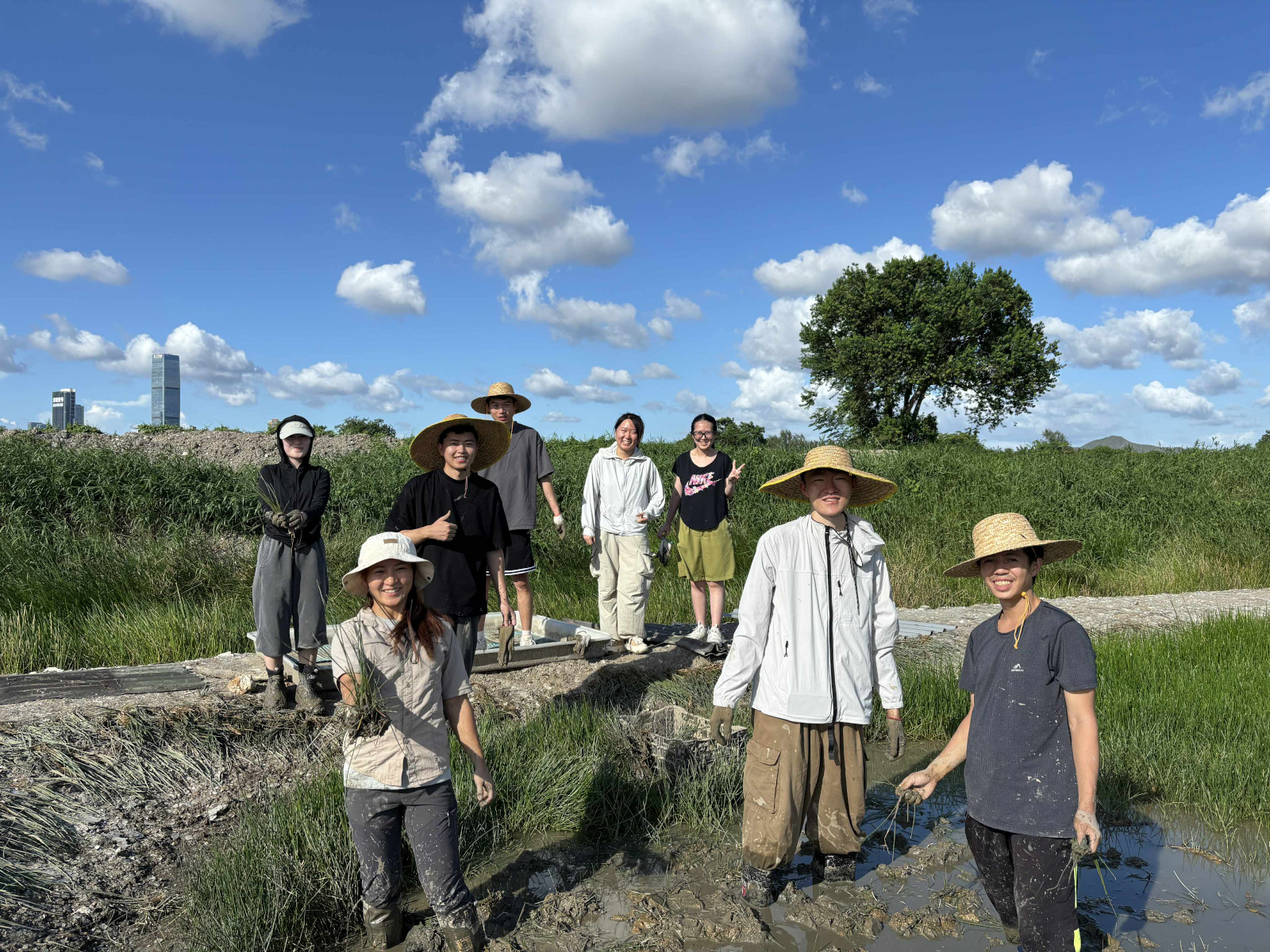
In 2024, Lee Hysan Foundation and WWF-Hong Kong embarked on an ambitious journey to restore rice paddies in Mai Po Nature Reserve through the “Growing Mai Po” project. For over a decade, Lee Hysan Foundation and WWF-Hong Kong have partnered to enhance habitat management and infrastructure at Mai Po Nature Reserve.

As part of WWF’s broader effort to revitalise scarce wetland habitats within Mai Po Nature Reserve, the project seeks to restore and make functional a rice paddy ecosystem, one of Hong Kong’s most treasured wetland landscapes, with the aims of preserving biodiversity, strengthening climate resilience, and reconnecting the community with Hong Kong’s agricultural heritage.
WWF-Hong Kong

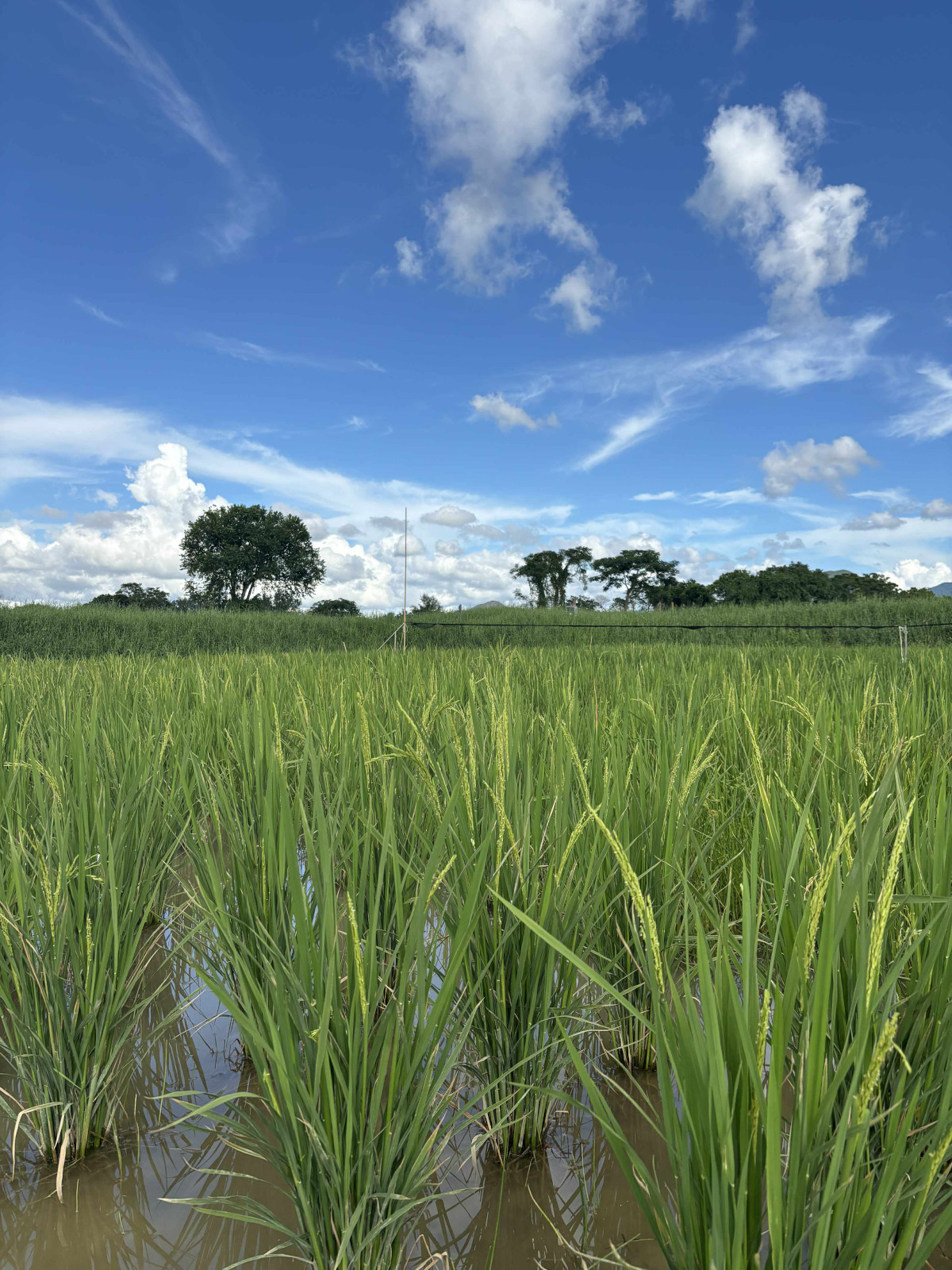
Growing Mai Po is a modern reimagination of traditional rice farming. Once an important part of the Hong Kong landscape, rice paddies have gradually disappeared, primarily due to urbanisation. “Growing Mai Po” brings this cultural legacy back to life, using scientific monitoring, technology and sustainable management to demonstrate how traditional practices can coexist with modern priorities.
WWF-Hong Kong

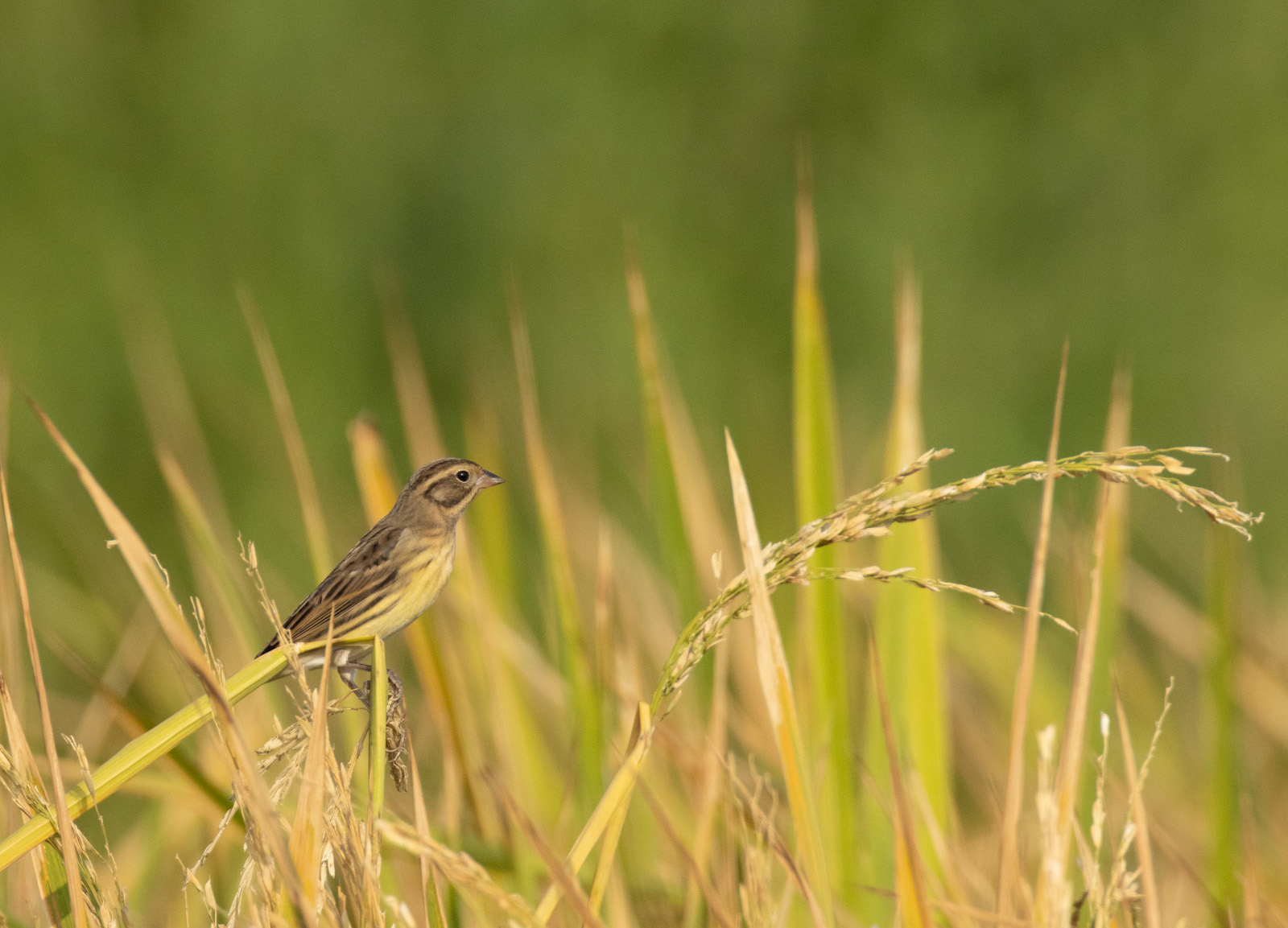
The project’s primary objectives are to safeguard globally endangered species and species of local concern, including the Yellow-breasted bunting and the Greater painted-snipe, while enhancing ecosystem services that support both wildlife and people. Through managing freshwater and brackish rice paddies within the Reserve, the team hopes to create a diverse mosaic of habitats that can withstand extreme weather events.
Orca Yu / WWF-Hong Kong

Blending Heritage and Science

So far, following traditional rice growing techniques, the project team has successfully cultivated both freshwater and brackish rice varieties. These include native Hong Kong varieties like “Ham Moon”, which is also helping to conserve local genetic diversity and cultural heritage. To measure Growing Mai Po’s effectiveness, the team has conducted scientific surveys to assess crop growth rates and monitor wildlife visits. The data collected will guide future adaptive management strategies and ensure that the restored paddies benefit both people and nature.

WWF-Hong Kong

Smart Hydrology

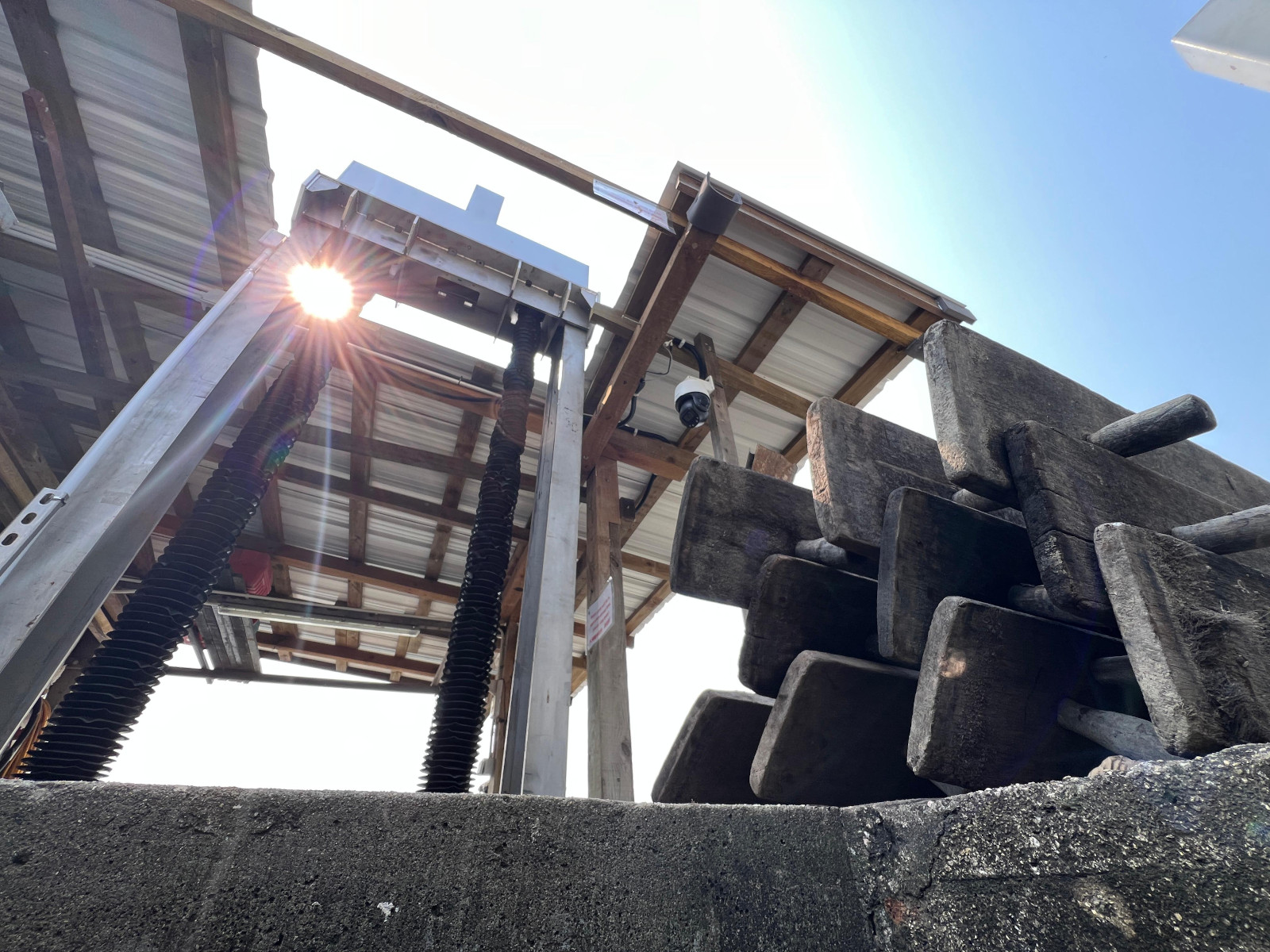
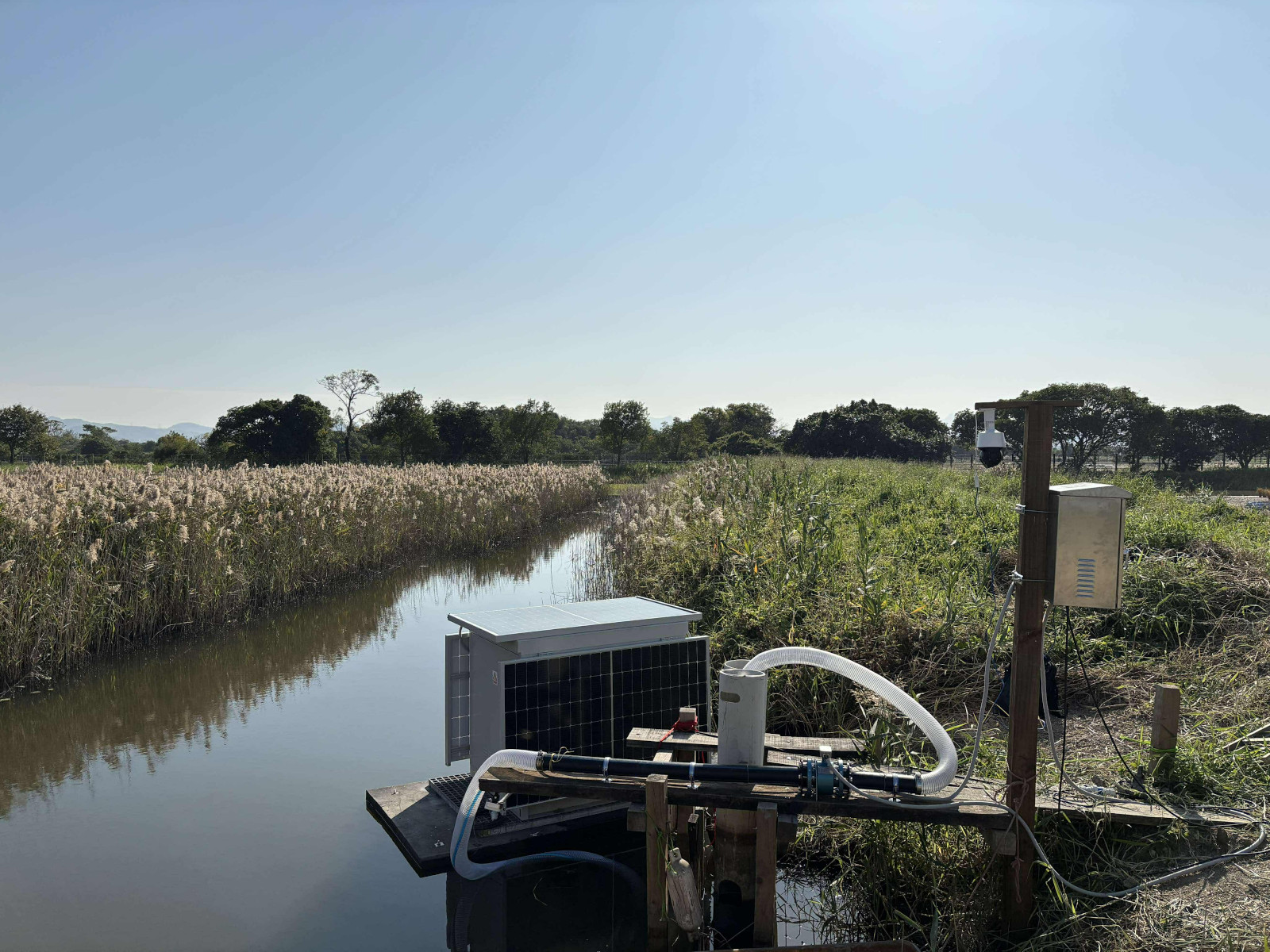
One of the greatest challenges facing wetland restoration is how to manage water in unpredictable weather conditions. Recognising this, the project team implemented a smart hydrology management system to ensure precise, climate-adaptive control over the restored rice paddies. Three smart water pump systems were installed, each equipped with water level and water quality sensors, submersible pumps, cameras, and a control platform. These systems allow staff to monitor and adjust water conditions in real time, maintaining the balance necessary for rice growth and wetland biodiversity.

The site also features an IoT automatic weather station, the first Co-WIN (Community Weather Information Network) station to utilise the GWIN (Government-Wide IoT Network), developed by Hong Kong’s Electrical and Mechanical Services Department. This state-of-the-art system transmits live weather data that can be used by WWF-Hong Kong’s management team and the public, enhancing transparency and enabling climate-smart decision making. We also deployed three timelapse cameras that document changes in the paddies across seasons.
WWF-Hong Kong

Building Knowledge and Community

Beyond its environmental goals, the Growing Mai Po project also aims to reconnect people with nature. The project is engaging local community members, researchers and schools through guided tours, volunteer programmes, educational initiatives, and more. These collaborative efforts are cultivating a new generation of environmental stewards – people who understand how climate adaptation, food security, biodiversity conservation, and modern lifestyles are deeply interconnected.

The partnership between Lee Hysan Foundation and WWF-Hong Kong is pioneering a model of smart, sustainable wetland management. As climate change continues to reshape Hong Kong’s landscapes, Growing Mai Po serves as an example of how ecosystems, when properly restored and managed, can deliver multiple benefits.

Powering Our Wetlands

This year marked the successful completion of the Powering Our Wetlands project – a five-year flagship collaboration between WWF-Hong Kong and The Hongkong Bank Foundation, whose vision is to inspire, educate and empower, giving the elderly and young people opportunities to thrive, lessening impact on the environment and restoring habitats, and energising volunteers to create positive change.

This initiative has been instrumental in demonstrating how Nature-based Solutions (NbS) can address the intertwined challenges of climate change, biodiversity loss, cultural preservation, and community resilience in the Mai Po Inner Deep Bay Ramsar Site.

As an ecologically significant wetland for Hong Kong and the world, Mai Po is a vital habitat for migratory and resident bird species and other mammals, and plays a critical role in carbon sequestration. Mai Po also faces ever-increasing pressures from environmental degradation and habitat loss. Through the Powering Our Wetlands initiative, WWF-Hong Kong and HSBC have worked together to restore and protect this unique ecosystem while pioneering innovative NbS.

Caleb Choi / WWF-Hong Kong

The project had four key workstreams – carbon sequestration, community climate resilience, biomass innovation, and stakeholder engagement. Its major successes included restoring gei wais, planting over 1,800 mangrove seedlings and establishing eco-fishponds that enhance wetland health and local flood resilience.  

In partnership with the Chinese University of Hong Kong, a project study found that the Ramsar Site holds approximately 80% of Hong Kong’s total mangrove carbon storage, with an annual sequestration potential of 32,000 tonnes of CO₂ – underscoring the immense value of wetland restoration to our climate. A biomass workstream run in collaboration with The City University of Hong Kong converted invasive Mikania micrantha into porous carbon for supercapacitors – removing a threat to biodiversity and creating a renewable energy storage material that supports Hong Kong's carbon neutrality goals.

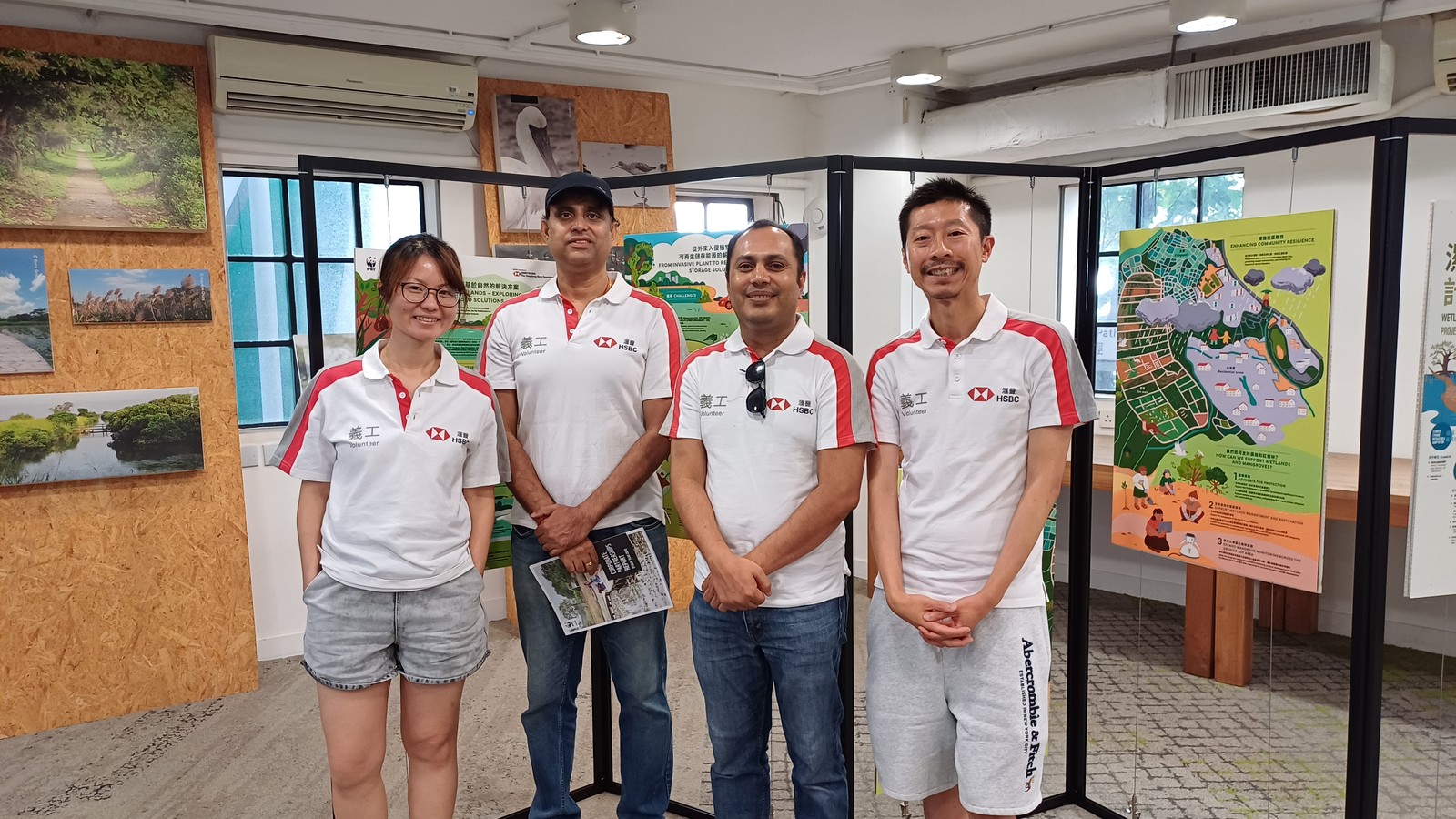
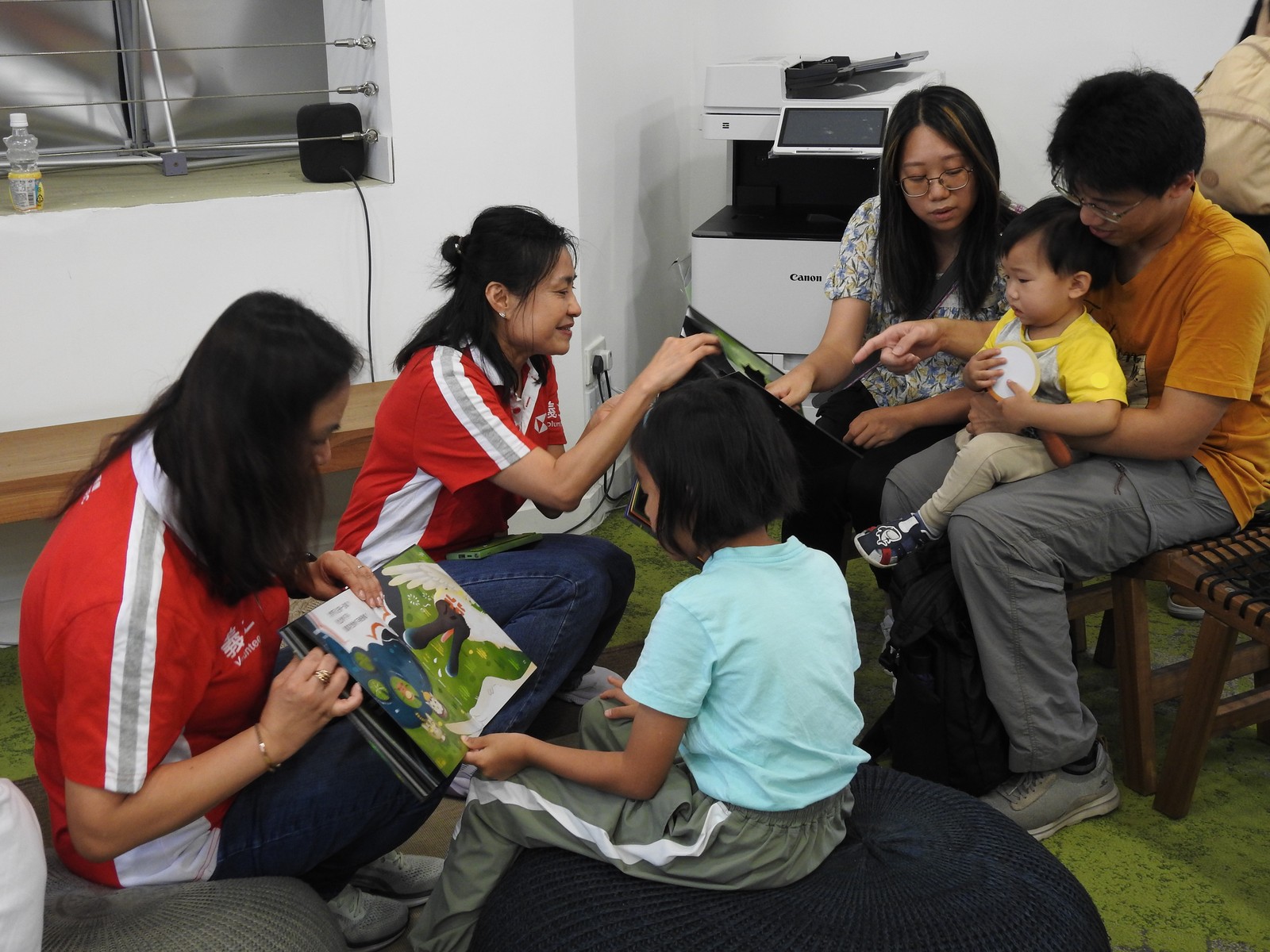
Powering Our Wetlands also fostered broad community engagement. Over 2,200 underprivileged residents benefited from nutritious eco-fish meals from the fishponds, while over 800 families participated in the Hong Kong Biodiversity Festival, learning about the project’s many impacts. Over 150 HSBC volunteers contributed to mangrove planting, fish harvesting and other engagement activities, deepening awareness of wetland conservation and the role of NbS in urban sustainability.

WWF-Hong Kong
WWF-Hong Kong

Powering Our Wetlands exemplifies the importance of long-term corporate partnerships in driving measurable conservation outcomes. Together, WWF-Hong Kong and HSBC have strengthened Mai Po’s ecological resilience and charted a path to a nature-positive, climate-resilient future for Hong Kong.

Supporting Climate Resilience in the Greater Bay Area

Supported by HSBC, WWF-Hong Kong continued working with various partners on the “Engaging Partners to Build a Climate-Resilient Greater Bay Area” initiative this year. This multi-year programme promotes ecosystem restoration and the adoption of Nature-based Solutions to address climate risks and societal challenges across the region. It also seeks to advance scientific knowledge on the potential role of mangroves as an NbS in the GBA. To achieve these aims, the programme brings together stakeholders from government, academia, business, and civil society.

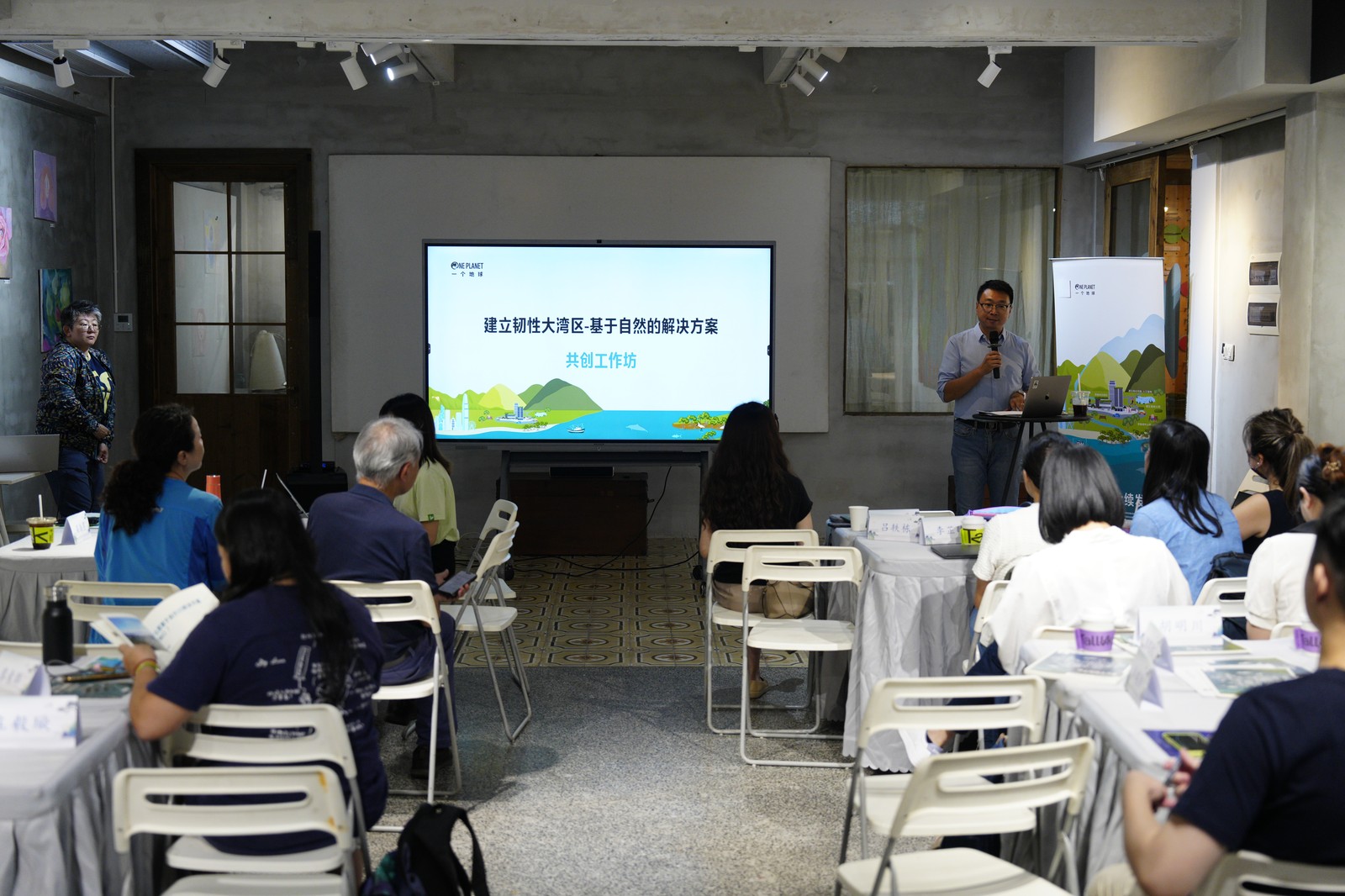
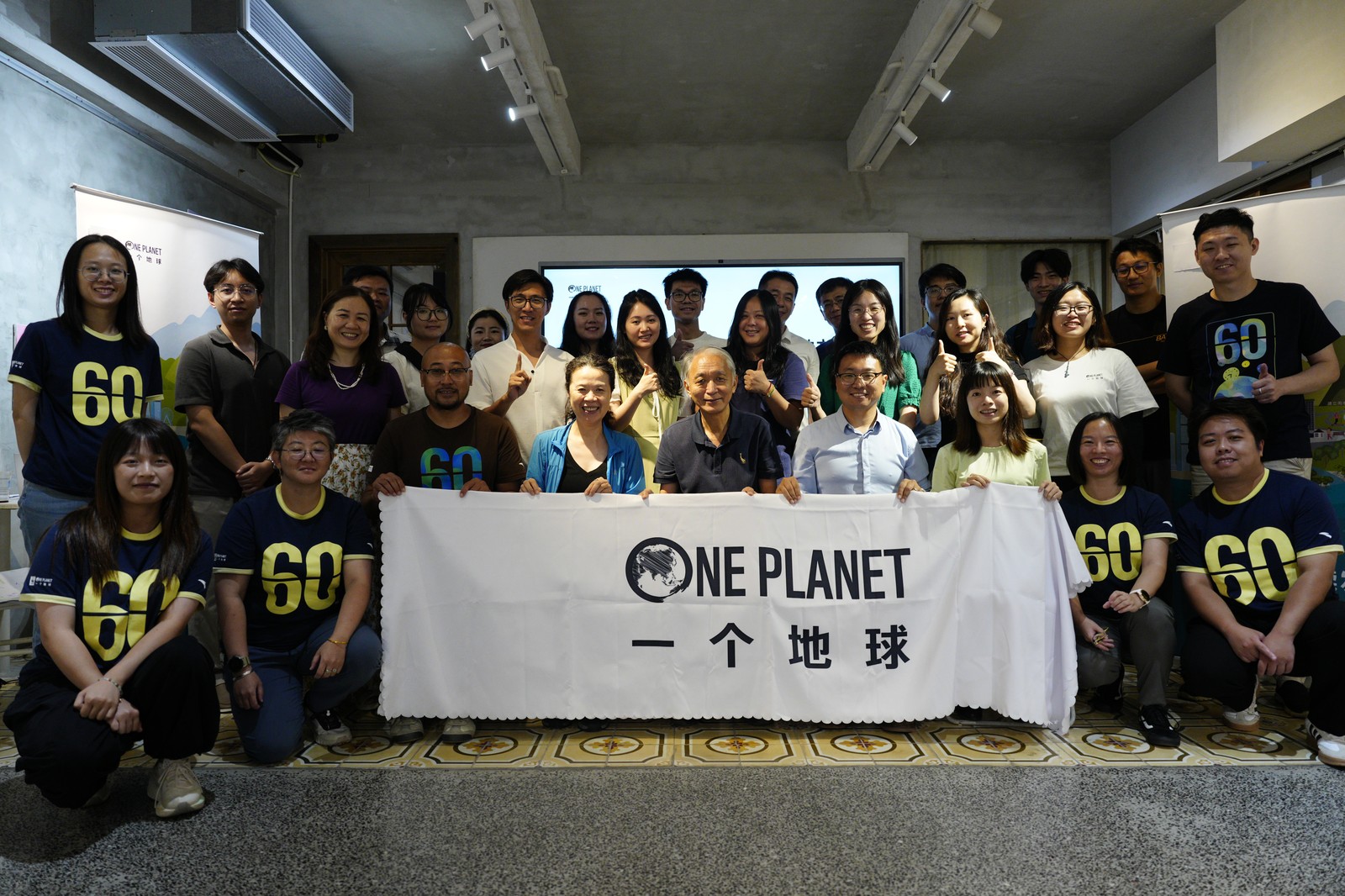
In July 2024, the programme held its third NbS co-creation workshop in Tianhe, Guangzhou, gathering 42 participants from across the GBA for a full-day exchange on the IUCN NbS Global Standard, ways to apply the standard and opportunities for regional collaboration. Participants explored case studies, including examples from the Shenzhen Bay wetland restoration led by the Shenzhen Mangrove Wetland Conservation Foundation, and learned about how businesses can assist in achieving carbon neutrality goals  from a Tencent Group expert.

WWF-Hong Kong

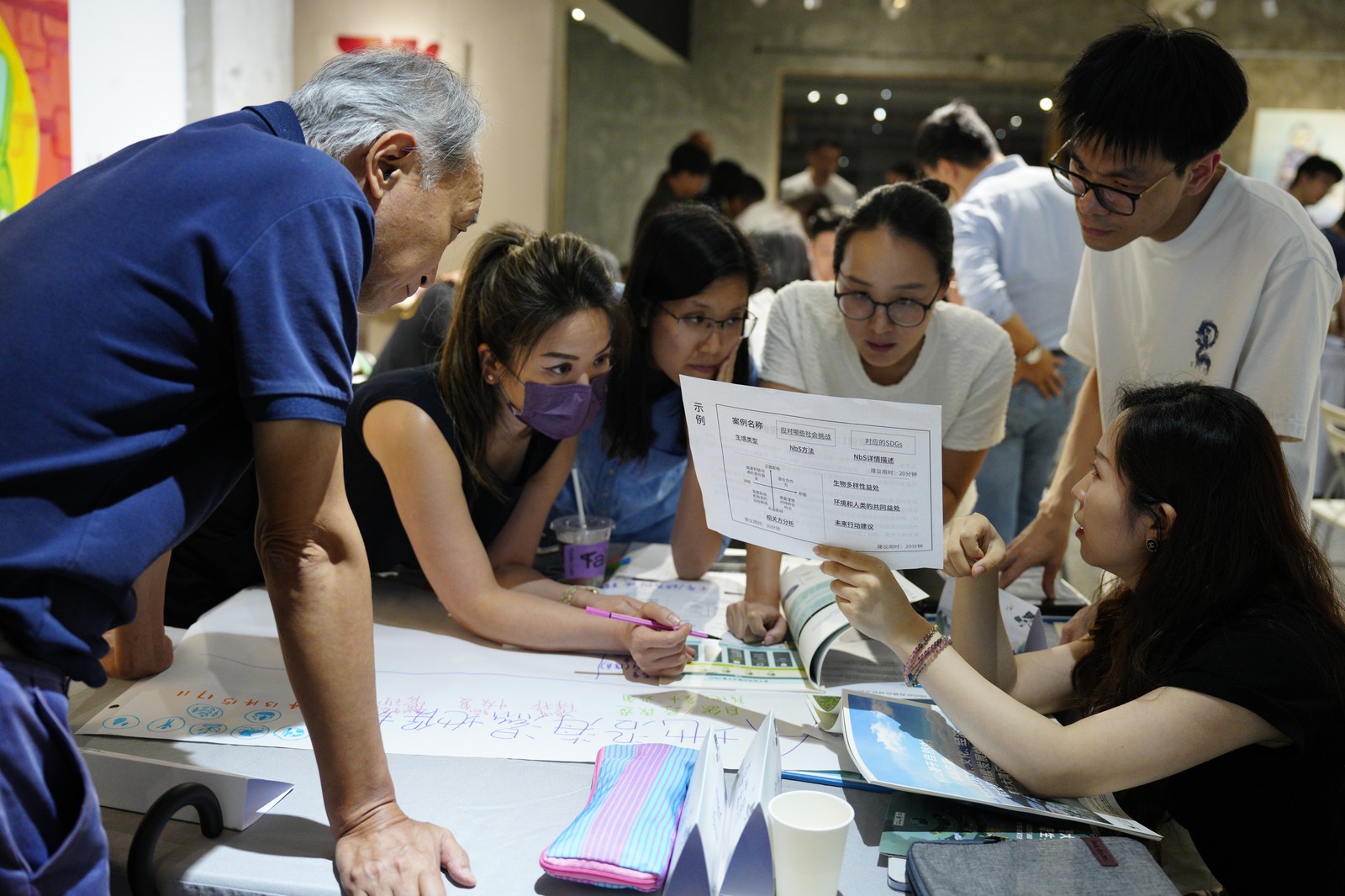
Later, small groups worked together to evaluate existing projects and co-develop tailored NbS strategies that adopt the IUCN NbS Global Standard for the GBA’s coastal, marine and terrestrial landscapes. Experts from the IUCN Asian Hub provided feedback to each group.

WWF-Hong Kong

The workshop strengthened participants’ understanding of how NbS can mitigate storm surge risks and enhance biodiversity, and fostered meaningful dialogue across sectors. As urbanisation and climate threats continue to impact the GBA’s coastal landscapes, the knowledge and partnerships formed through this initiative are shoring up the future through collaborative, science-based action.

WWF-Hong Kong

Integrating Smart Solutions at Mai Po Nature Reserve

Support from Patagonia’s 1% for the Planet has been pivotal in advancing the digital transformation of Mai Po Nature Reserve. Since 1985, Patagonia has pledged 1% of their sales to the preservation and restoration of the natural environment. They have awarded over USD140 million in cash and in-kind donations to help local groups make a difference in their communities. WWF-Hong Kong is grateful to be one of the recipients of their generosity.

Part of WWF-Hong Kong’s Smart Wetlands Initiative, this partnership exemplifies how corporate collaboration and innovation can combine to strengthen conservation management and enhance the visitor experience.

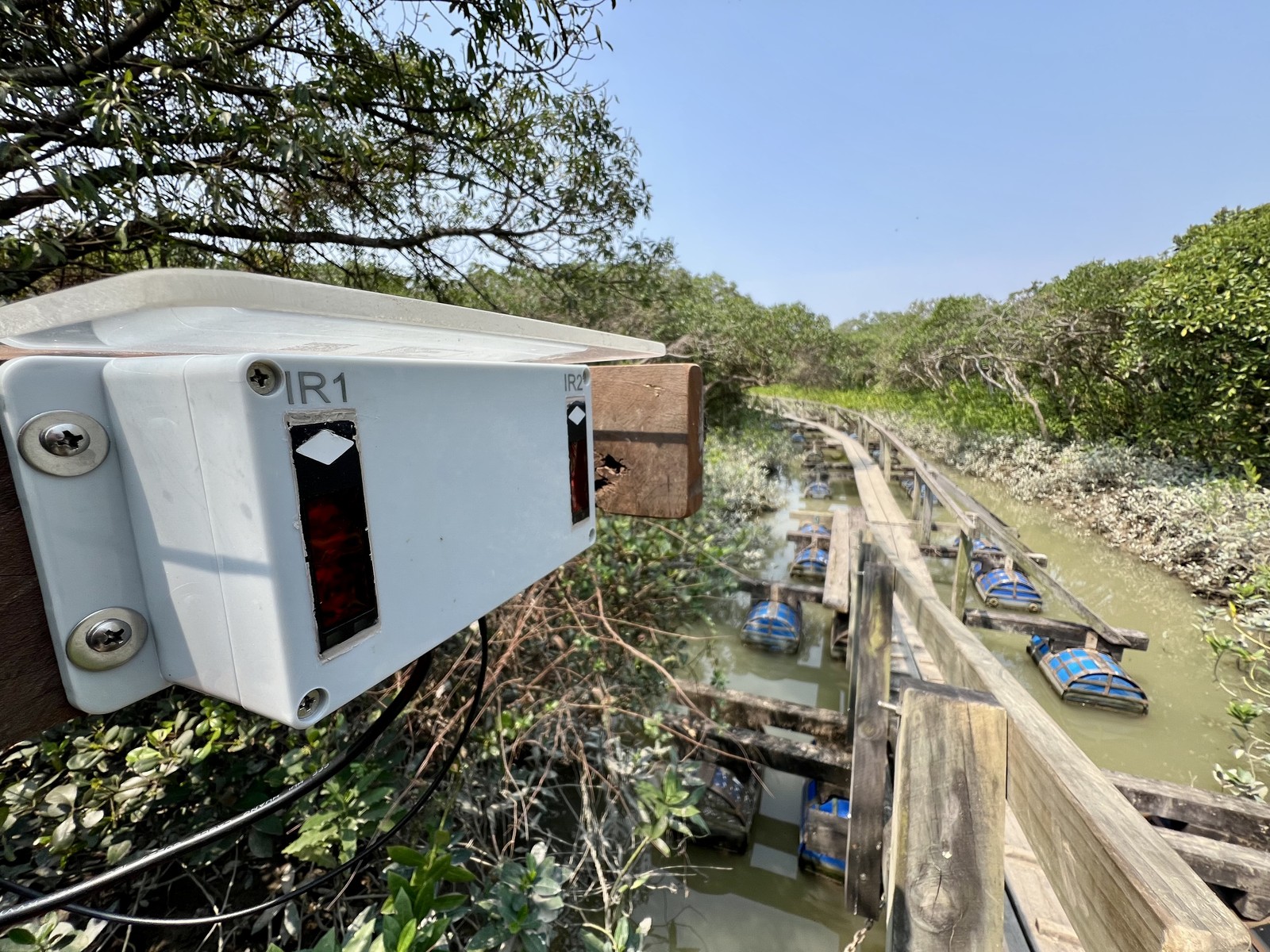
After a successful trial in 2024, this year, we deployed a network of people-counting IoT sensors in key areas of the Reserve – the Visitor Centre, Education Centre, bird hides, and major access points. These devices collect high-quality, real-time data that enables our management team to track visitor numbers and the ways in which facilities are used throughout the year.

WWF-Hong Kong

This data-driven approach allows us to make informed decisions to improve visitor flow management, minimise disturbance to sensitive habitats and improve visitors’ experiences. By integrating technology with proven wetland management strategies, we can ensure an optimal balance between human activity and biodiversity protection.  

Beyond operational efficiency, the insights generated from these IoT systems also support responsible eco-tourism. By revealing visitor patterns, the information collected protects wildlife and creates new opportunities for education, recreation and community engagement.

Thanks to Patagonia’s support, WWF-Hong Kong is setting a new benchmark for smart wetland management.

The Next Generation of Smart Wetland Innovation

In 2025, WWF-Hong Kong and The Hong Kong Jockey Club Charities Trust (the Trust) launched the “WWF Jockey Club Smart Wetland Management Project”, a three-year initiative that redefines how wetlands are managed in the face of climate change. The project integrates advanced technology with Nature-based Solutions (NbS), aiming to safeguard the ecological integrity of Mai Po Nature Reserve and enhance Hong Kong’s climate resilience.

The Mai Po Inner Deep Bay Ramsar Site, a Wetland of International Importance, plays a critical role in maintaining regional ecological balance and providing habitats for many thousands of migratory birds and other wildlife. Meanwhile, Hong Kong’s wetlands are facing unprecedented threats from intensifying climate change, and conventional conservation strategies are no longer sufficient to address these issues.  

The Smart Wetland Management Project is a proactive response to these threats. Through smart hydrological systems, AI-powered biodiversity monitoring and data-driven management tools, WWF-Hong Kong is adopting more adaptive, precise and resilient conservation strategies and tactics.

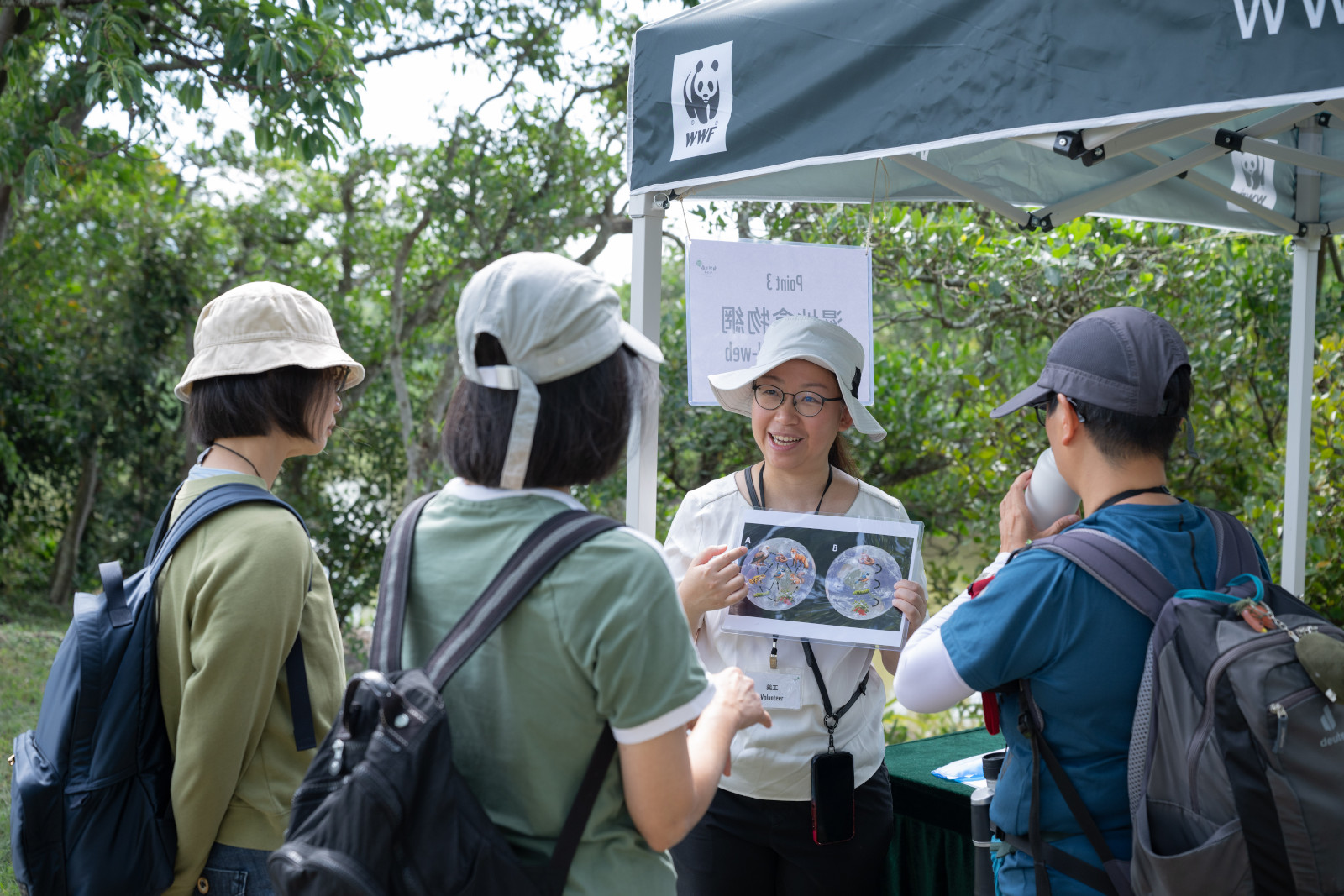
The project was officially launched in late October 2025 with the “Nature Community Day – Working Together with Nature” event held at the Reserve. Through interactive exhibitions and hands-on experiences, the event connected the public with the science and innovations that are driving new wetland conservation methods. Visitors discovered how we can work with nature in our daily lives, and how nature offers solutions to enhance our mental health and strengthen community resilience.

WWF-Hong Kong
WWF-Hong Kong

Over the next three years, the project will roll out infrastructure upgrades, NbS-focused education initiatives for diverse audiences, from professional groups to students and the general public. By bridging technology, community participation and ecological restoration, WWF-Hong Kong and The Hong Kong Jockey Club Charities Trust are setting the standard for future wetland management under a changing climate.

立即分享本頁