Shaping Thriving Oceans for Future Generations

Sam Heung
Font size:
A
A
A

The ocean connects us all. Covering more than 70% of the planet and absorbing about 30% of all CO2 emissions, oceans sustain life, support economies, feed populations, and govern the stability of our  climate. However, these essential ecosystems are under mounting pressure from exploitation, pollution, climate change, and other threats – with less than 10% of ocean waters designated as marine protected areas.

Healthy oceans are the foundation of a thriving blue economy. Globally, oceans support the livelihoods of hundreds of millions of people. From fisheries and tourism to renewable energy and carbon sequestration, ocean industries drive prosperity – but they can only succeed if marine ecosystems remain resilient.

WWF-Hong Kong is working hard to develop this resilience. Through science-based marine conservation and cross-sector collaboration, and creative partnerships with governments, researchers, academics, and the private sector, we restore marine ecosystems, conduct science-based research, advocate for effective marine protected areas, and drive sustainable industry practices. Through innovation, dedication and clear commitment, we are striving to protect these vast and vital ecosystems.

Restoring the Pulse of Hong Kong’s Oceans

Restoring Life to Hong Kong’s Waters

Quiet signs of renewal are emerging in Hong Kong’s waters. Once-degraded seagrass meadows are returning, coral nurseries are starting to thrive and marine life is beginning to flourish again. These transformations are part of WWF-Hong Kong’s flagship Sea for Future III project, a landmark effort to restore marine ecosystems and inspire a new wave of ocean recovery. Thanks to solid support from the Swire Trust, the programme is an example of how science, citizens and corporate partnerships can work together to create lasting change.

The Swire Trust champions positive change in marine conservation. Their mission to build sustainable marine ecosystems through research, public engagement and policy reform strong resonate with WWF-Hong Kong’s ambitions to regenerate ocean habitats and strengthen Hong Kong’s role in a sustainable blue economy.

Sam Heung

Rejuvenating Seagrass Beds

Seagrass meadows are crucial to healthy oceans, providing habitat for marine life, filtering pollutants from water and storing carbon. Unfortunately, Hong Kong has lost many of these valuable habitats in recent decades. Through Sea for Future III, WWF-Hong Kong and our research partners are leading efforts to bring back seagrass meadows and restore their ecological benefits.

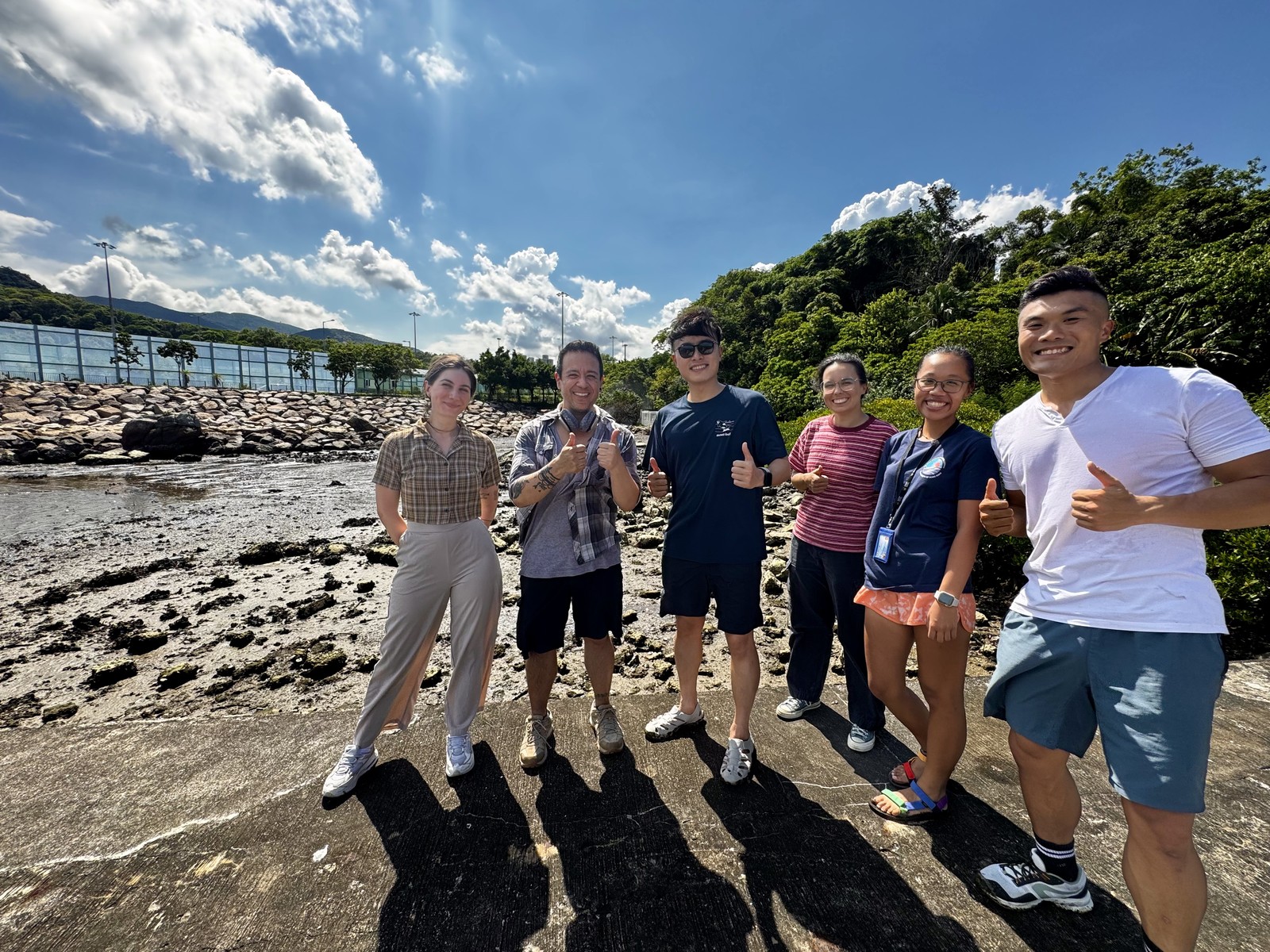
After testing seagrass anchoring techniques in the nursery at Hoi Ha Marine Life Centre, an intertidal mudflat in Tolo Harbour was chosen as a long-term trial restoration site. Two local seagrass species, Halophila ovalis and Zostera japonica, were transplanted and then closely monitored. Within just two months, seagrass coverage increased fivefold, confirming that this restoration approach is viable.

This initial success shows that scalable, cost-effective marine restoration is possible in Hong Kong. Our next step is to build on these results, and WWF-Hong Kong aims to expand restoration trials to new sites and used advanced techniques that will strengthen the resilience and health of these vital coastal ecosystems.
WWF-Hong Kong

Reviving Our Corals and Safeguarding Marine Biodiversity

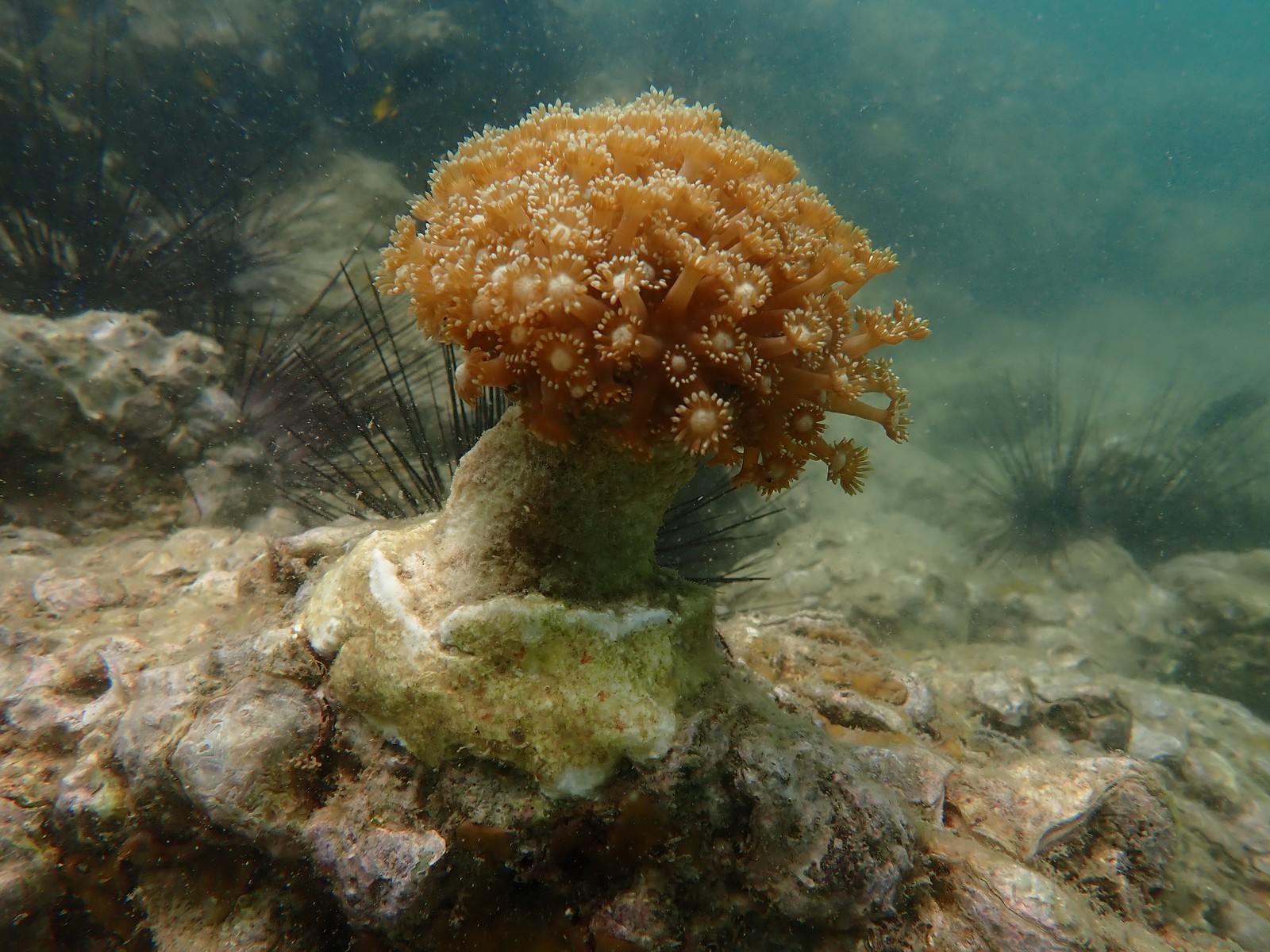
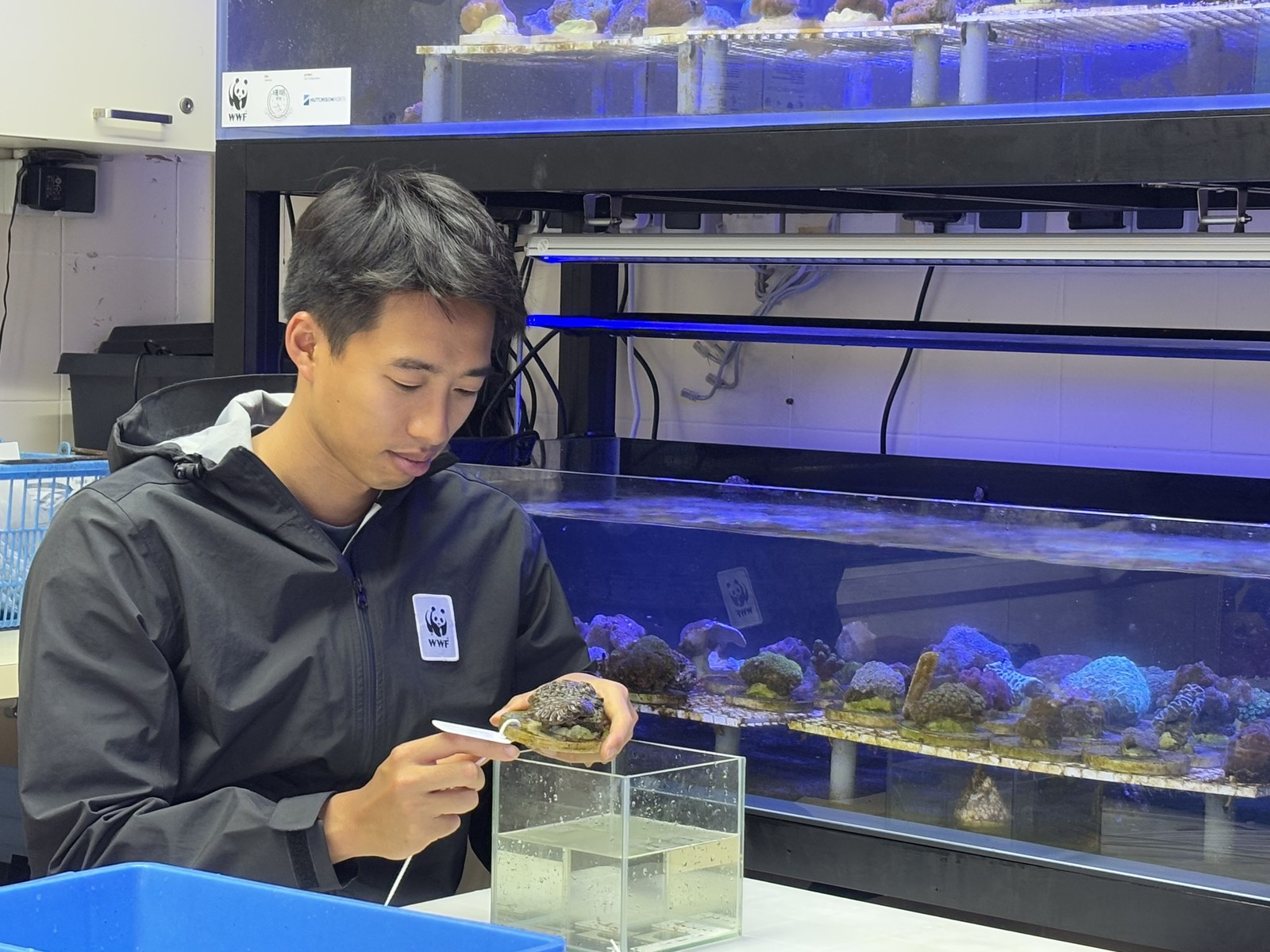
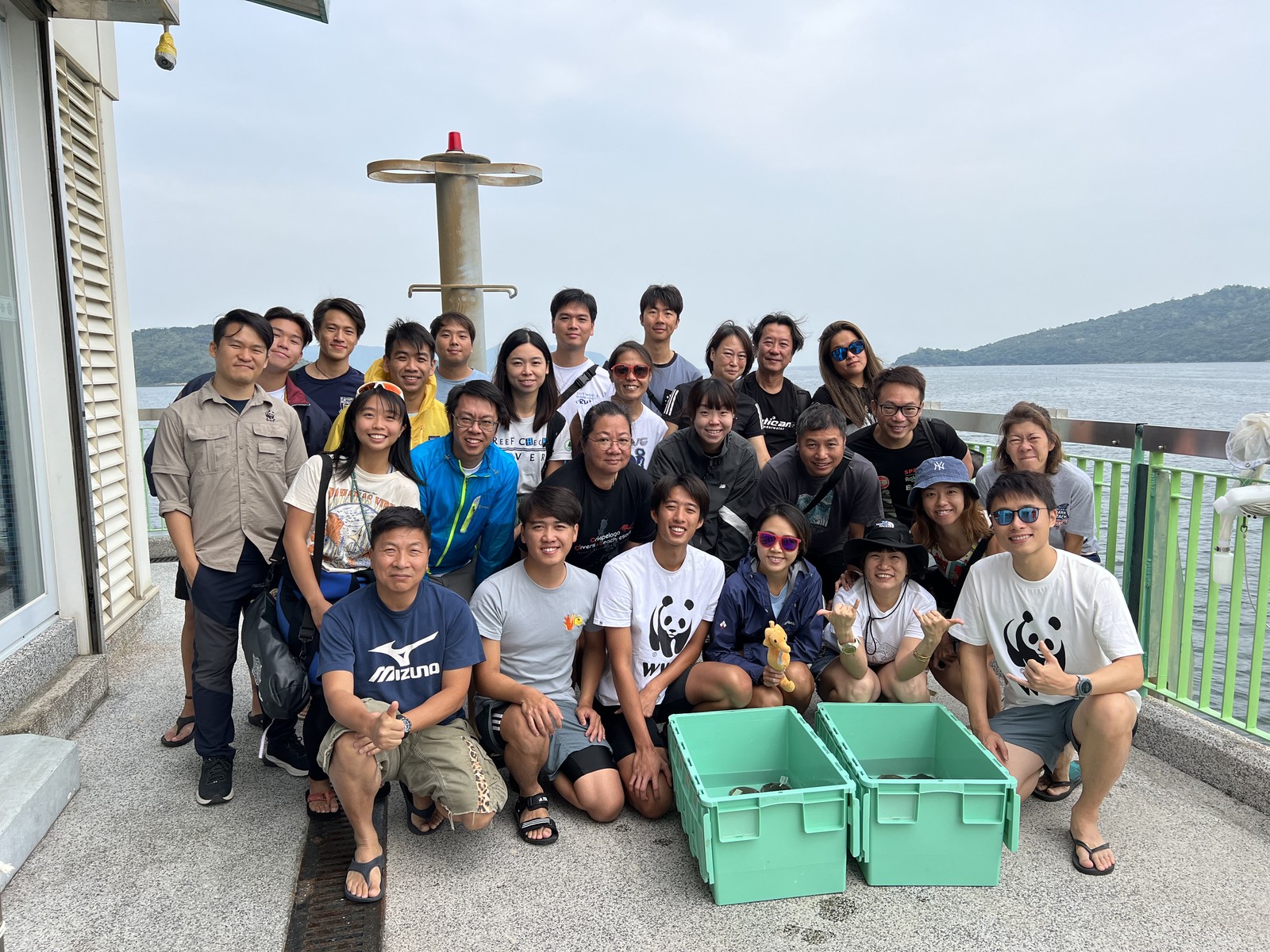
Coral restoration is another cornerstone of the Sea for Future III project. One offshoot of the project is the Reviving Our Corals initiative, which reinforces our long-term goal of restoring marine biodiversity while engaging the community in conservation. This year, with the support of the Swire Trust, WWF-Hong Kong completed laboratory enhancement work at our Marine Life Centre, installing four coral nursery tanks and underwater sensors to monitor environmental conditions linked to coral health, which will generate valuable data to guide future restoration work. So far, over 600 coral fragments have been nurtured at the centre, with 241 successfully outplanted at sites in the Tolo Harbour and Channel under support from the project.
WWF-Hong Kong

Advancing the Blue Economy  

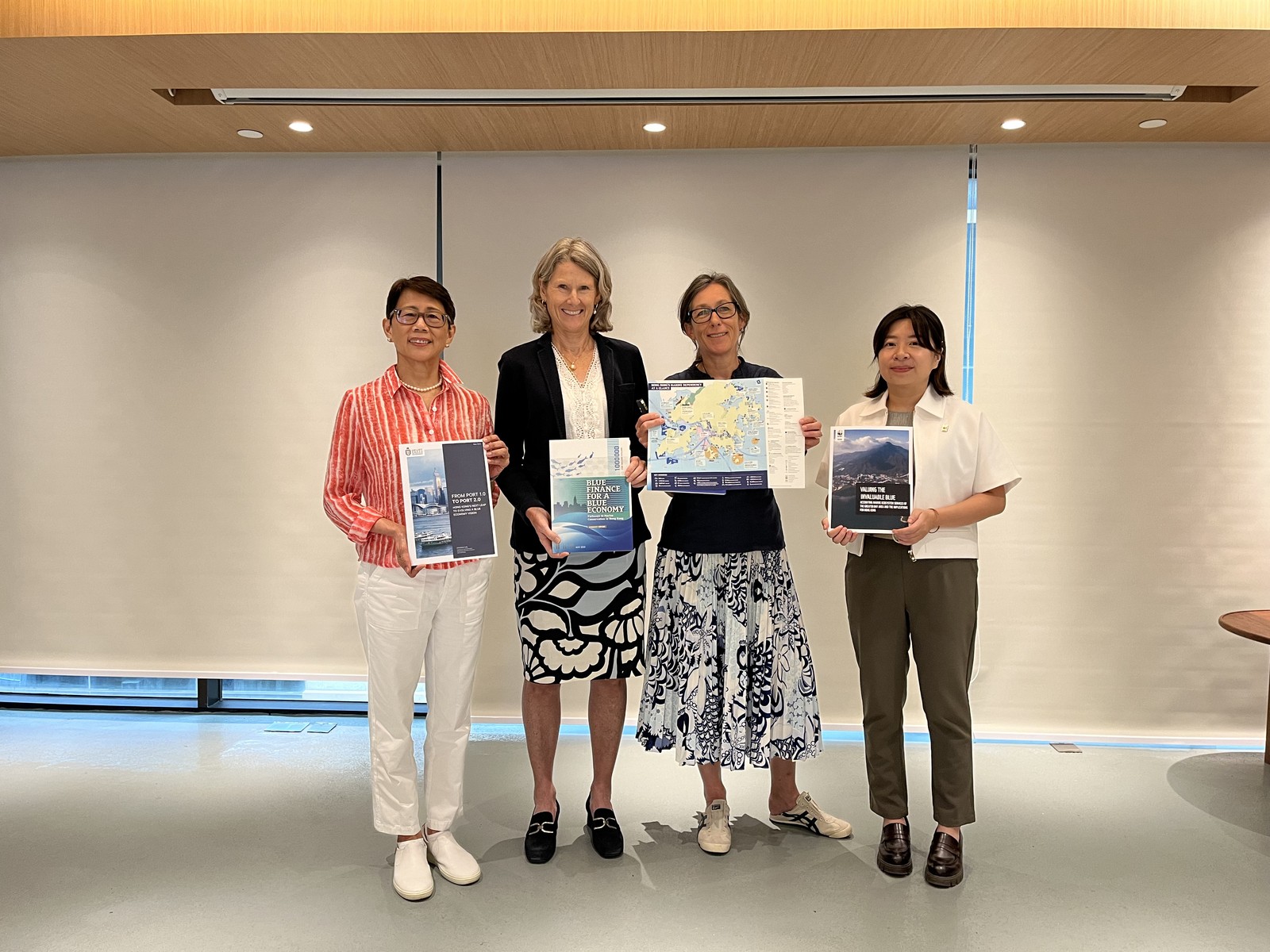
Sea for Future III is also shaping the future of Hong Kong’s sustainable ocean governance. In 2024, WWF-Hong Kong launched a cross-border ocean accounting study that integrated the concept of Gross Ecosystem Product (GEP), a measure of the value of ecosystem services, into traditional economic frameworks across the Greater Bay Area. The study, later presented internationally, valued the region’s marine GEP at RMB 4.9 trillion, representing 35% of the region’s entire GDP.
WWF-Hong Kong

This groundbreaking research highlights the economic importance of healthy marine ecosystems and supports integrating environmental values into policy and investment decisions. We are eager to share our findings: At the ReThink HK 2025 conference, WWF-Hong Kong brought together policymakers, business leaders and scientists to discuss how innovation and collaboration can drive sustainable blue growth and strengthen financial mechanisms to support regional marine conservation.

Through Sea for Future III, WWF-Hong Kong and the Swire Trust have demonstrated how science, community and corporate partnerships can accelerate ocean recovery in Hong Kong and beyond.
A New Chapter for Hong Kong’s Corals

Hong Kong’s coral communities are among the most diverse in the region, but they are increasingly vulnerable to the effects of climate change. Rising sea temperatures, prolonged periods of rainfall and changing salinity levels have triggered a series of bleaching events in recent years, threatening the balance of marine life and the health of our oceans.

Sam Heung

WWF-Hong Kong’s Reviving Our Corals initiative continues to lead the way in science-based coral restoration and real-time monitoring. In addition to continuous support from The Swire Trust, the programme has been backed by other corporate partners including Patagonia’s 1% for the Planet, Hutchison Ports and LINE FRIENDS.

To date, Reviving Our Corals has nurtured over 600 coral fragments cumulatively in the Hoi Ha Marine Life Centre nursery, with 85% surviving after being transplanted to sites in the Tolo Harbour and Channel. These restored coral communities are already returning to normal – 88 fish species have been observed returning to the sites, signalling a promising ecological recovery.  

WWF-Hong Kong

At the same time, our Marine Life Centre has become a hub for coral rescue and education, encouraging students, volunteers and diving enthusiasts to experience conservation in action. More than 50 divers multipliers have so far been trained in coral rescue and restoration, reflecting the diving community’s commitment to ocean protection.

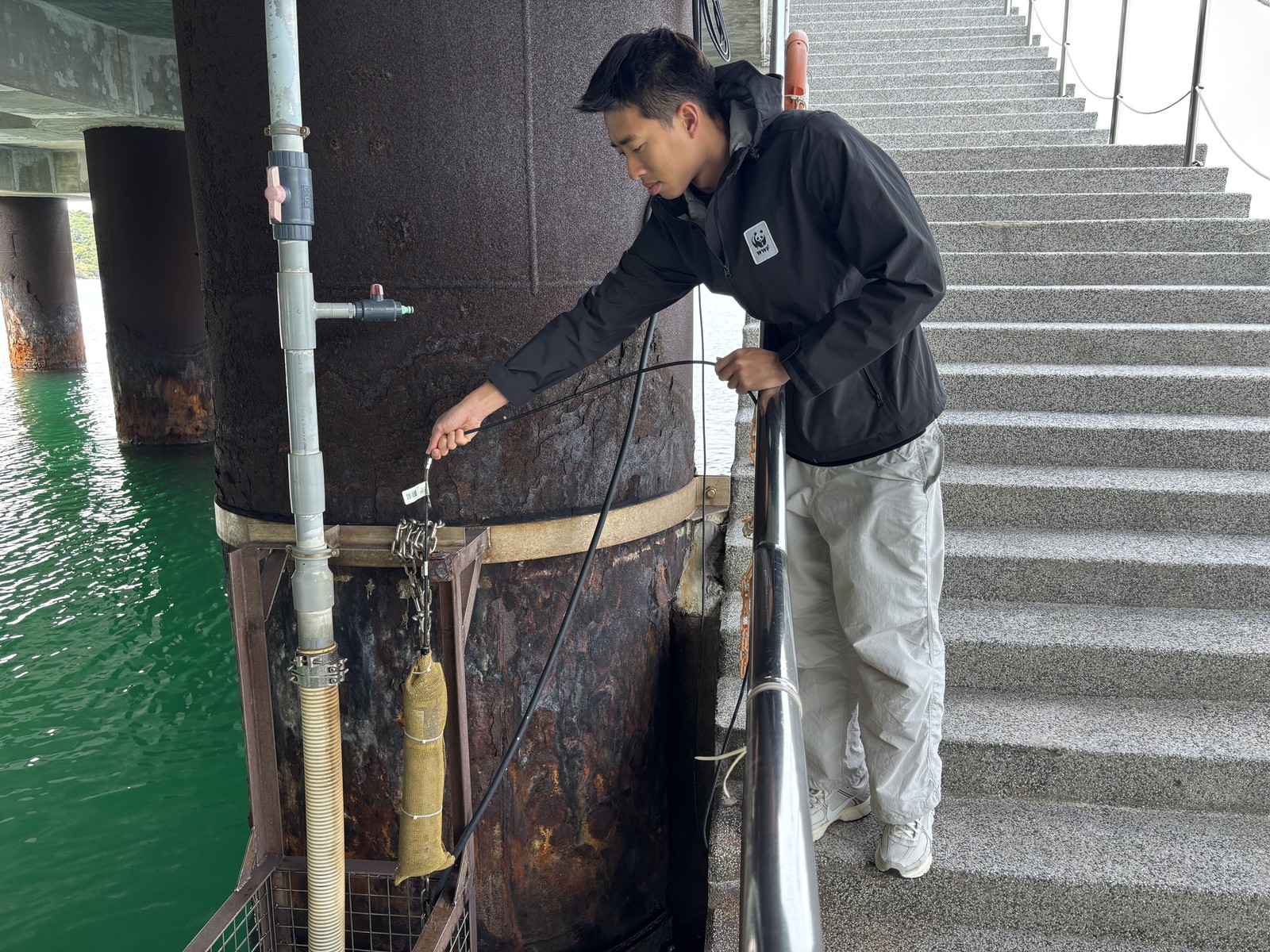
Innovation is also central to the project’s success. With the support of Patagonia’s 1% for the Planet and Hutchison Ports, a new real-time water quality monitoring system has been installed at the Marine Life Centre. The system tracks temperature, salinity and pH levels, providing critical insights into changing ocean conditions and a faster response to potential bleaching events.

WWF-Hong Kong

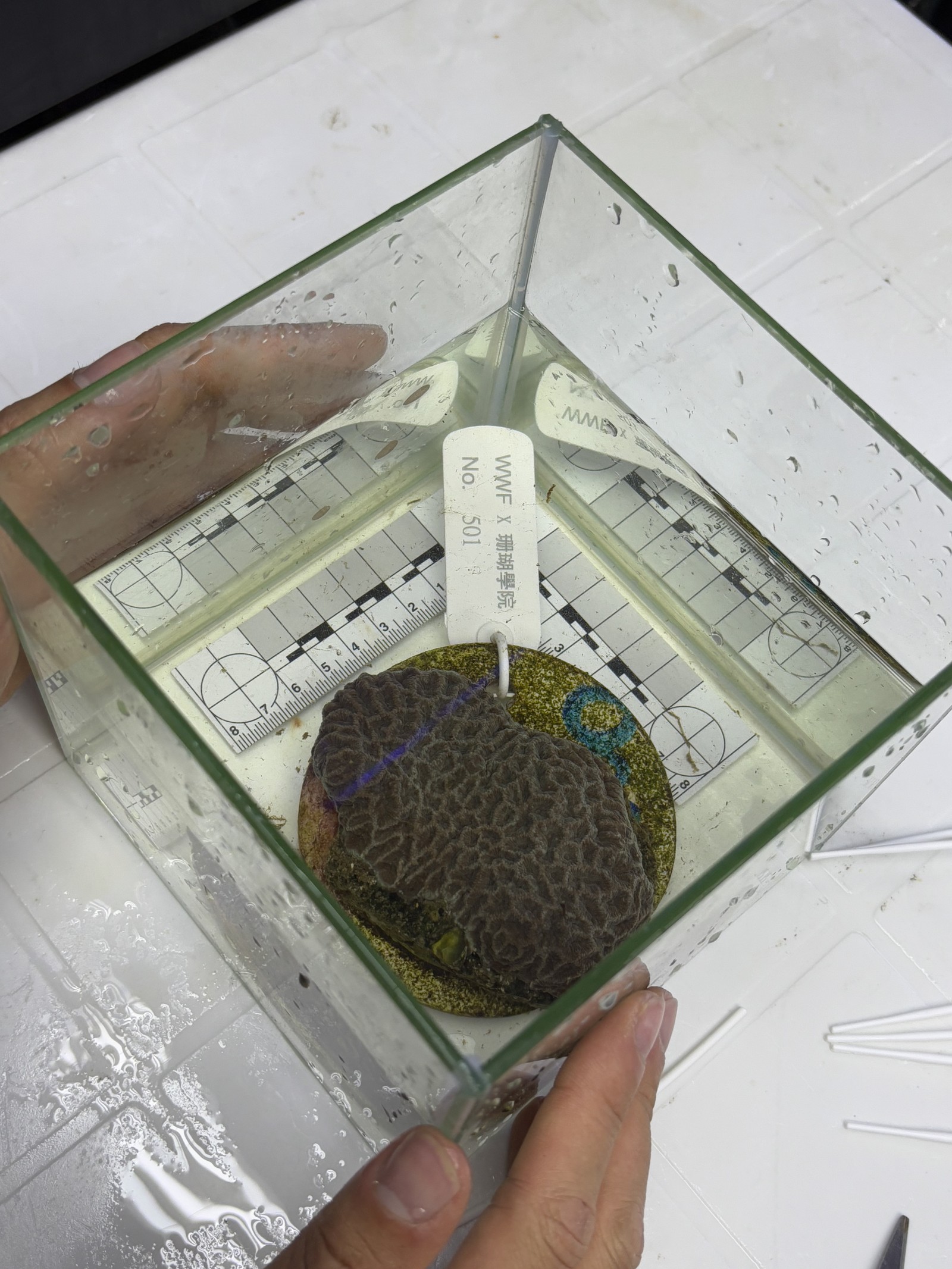
Additionally, as part of a circular campaign, Hutchison Ports created recycled coral tags from community plastic waste to support coral research, demonstrating its commitment to ocean conservation.

Reviving Our Corals’ success demonstrates how cross-sector collaboration and technology can strengthen marine resilience and ensure that Hong Kong’s corals will thrive for future generations.

Discovering the Spirit of Shui Hau

WWF-Hong Kong’s Discover Shui Hau project celebrates the beauty and biodiversity of one of Lantau Island’s most ecologically rich coastal villages by bringing together conservation, art and community engagement. Supported by Sino Group, whose vision of Creating Better Lifescapes underpins their commitment to sustainability and community partnership, the project exemplifies how collaboration can foster environmental stewardship and local pride.

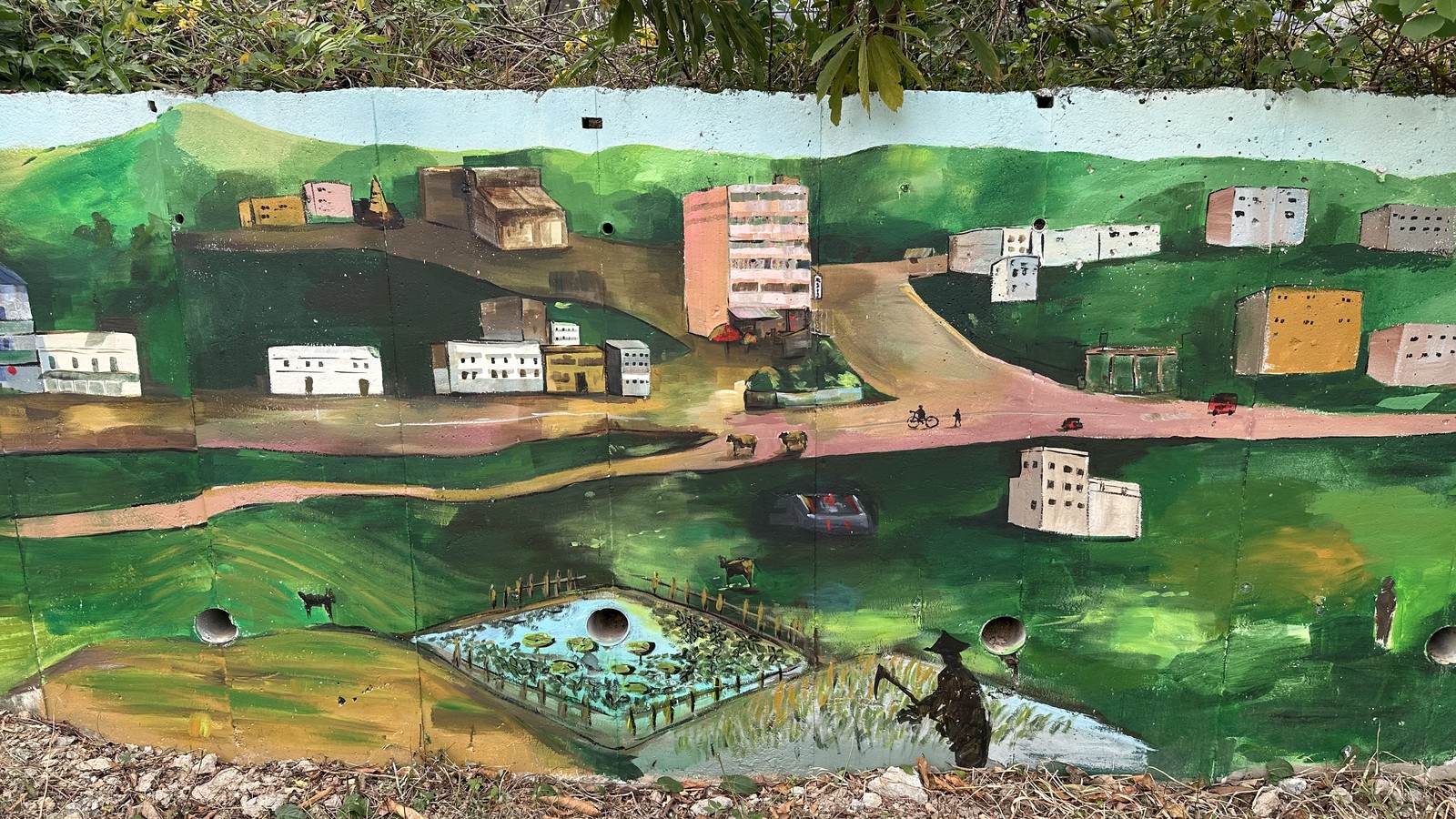
Discover Shui Hau demonstrates how marine ecosystems can be protected by encouraging people to reconnect with their natural surroundings. Community creativity is an important pillar of the project. Working with a number of designers, more than 90 villagers took part in mural painting sessions, creating five murals that vibrantly depict Shui Hau’s distinctive landscape and rich biodiversity. Featuring local species like the Chinese horseshoe crab, Water buffalo, Spotted sawtooth butterfly, and Red-whiskered bulbul, the murals visually celebrate the area’s cultural and ecological heritage.

WWF-Hong Kong

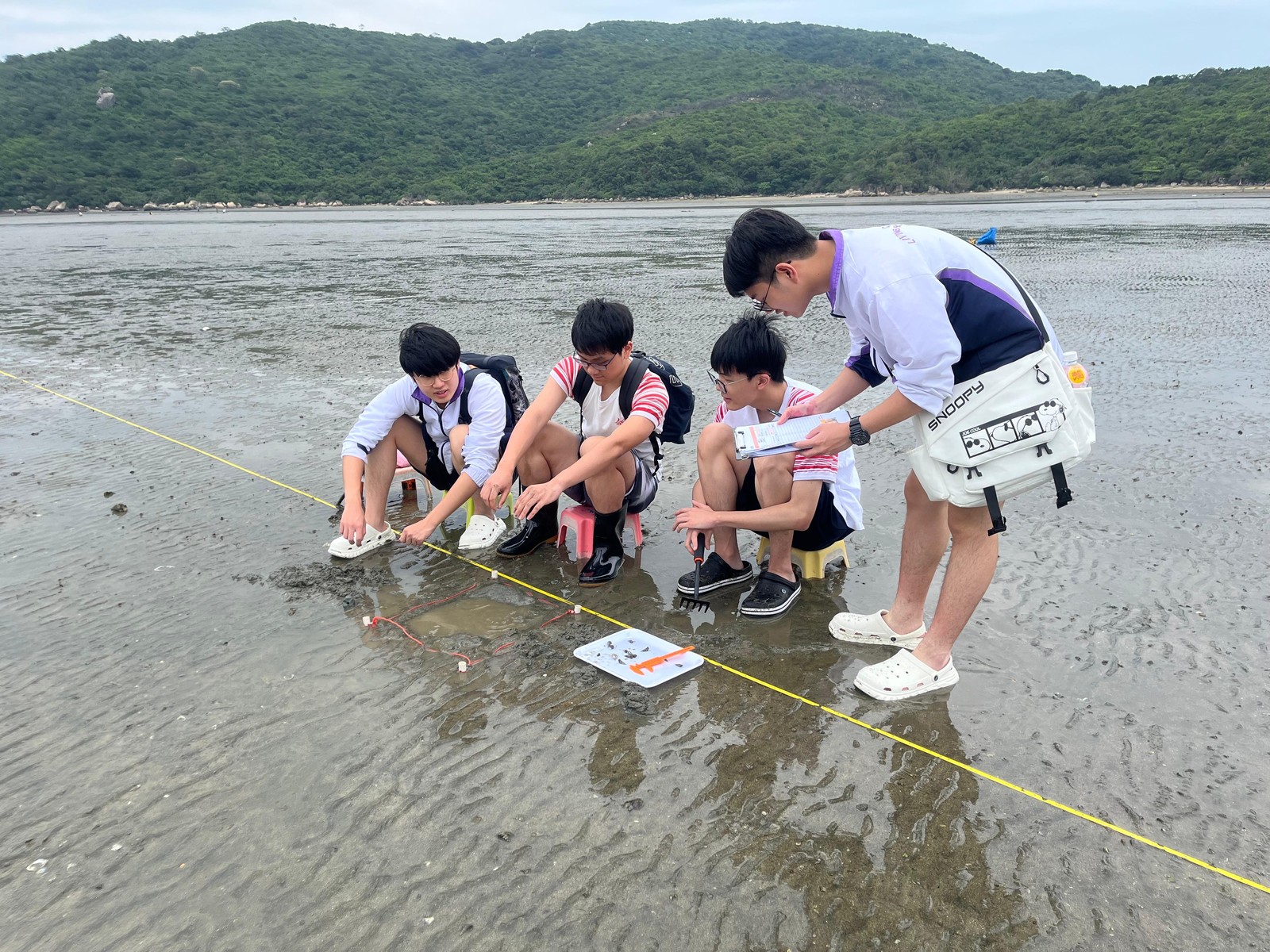
Educational outreach is another project pillar. Over 150 students from six local schools participated in biodiversity surveys and coastal clean-ups, learning about sandflat ecology and marine litter challenges. These experiences strengthened the connection between young people and their coastal environment, inspiring the next generation of conservation advocates.

WWF-Hong Kong

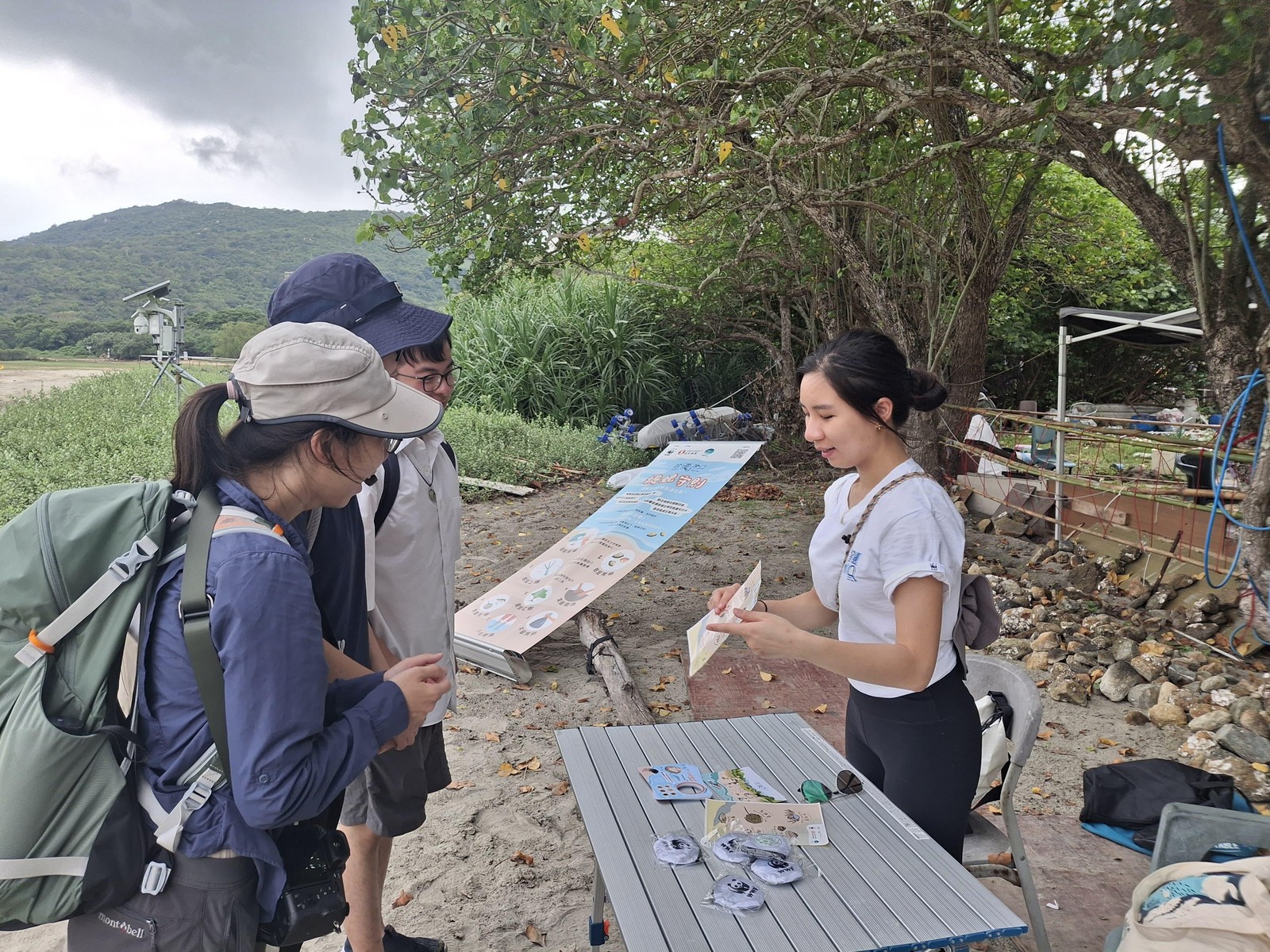
Public engagement is the third pillar – project staff led public educational walks, explaining to visitors how to enjoy the sandflats responsibly and minimise their environmental impact when digging for clams. Over six engagement days, we engaged with 380 visitors, introducing them to WWF-Hong Kong’s Code of Conduct for Clam Digging and new clam gauge tools.

WWF-Hong Kong

Through art, education and engagement, Discover Shui Hau reflects how our partnership with Sino Group has created lasting value. The project was recently recognised with the UNSDG Achievement Awards Hong Kong 2025 (Project Award – Goal 14: Life Below Water) and the ESG Achievement Awards 2024/2025 (Outstanding ESG Innovative Project Awards – Distinction), highlighting its success in advancing sustainable development in alignment with the UN SDG goals.

The Future of Sustainable Seafood in Hong Kong

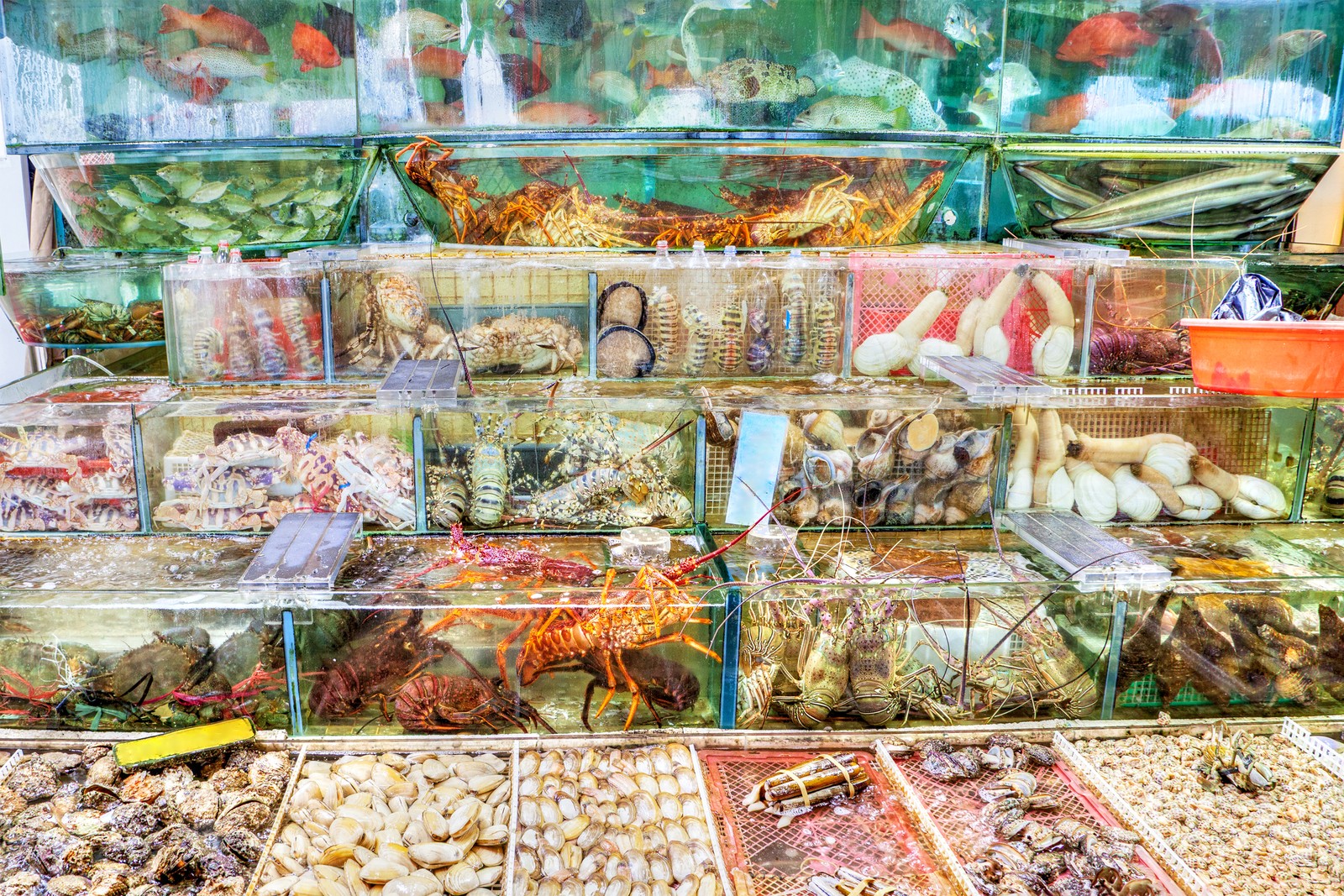
Hong Kong is one of the world’s largest seafood trading hubs and has one of the highest per capita seafood consumption rates. As such, our city has a critical role to play in shaping the future of global marine resources. The launch of the first-ever ocean targets by the Science Based Targets Network (SBTN) in March 2025 gives us a solid starting point.

Developed by WWF International network and partners, the targets offer companies a science-based framework to mitigate their impacts in three areas: Avoid and reduce overexploitation, protect marine habitats and reduce risks to endangered, threatened and protected species.

WWF-Hong Kong sees these targets as a powerful opportunity to continue redefining seafood sustainability across supply chains, something we have been doing for years through initiatives such as the Sustainable Seafood Business Membership Programme and the WWF Seafood Guide. Since its launch in 2022, the membership programme has grown to include 28 industry partners, giving customers access to sustainable seafood choices in over 700 outlets across Hong Kong.

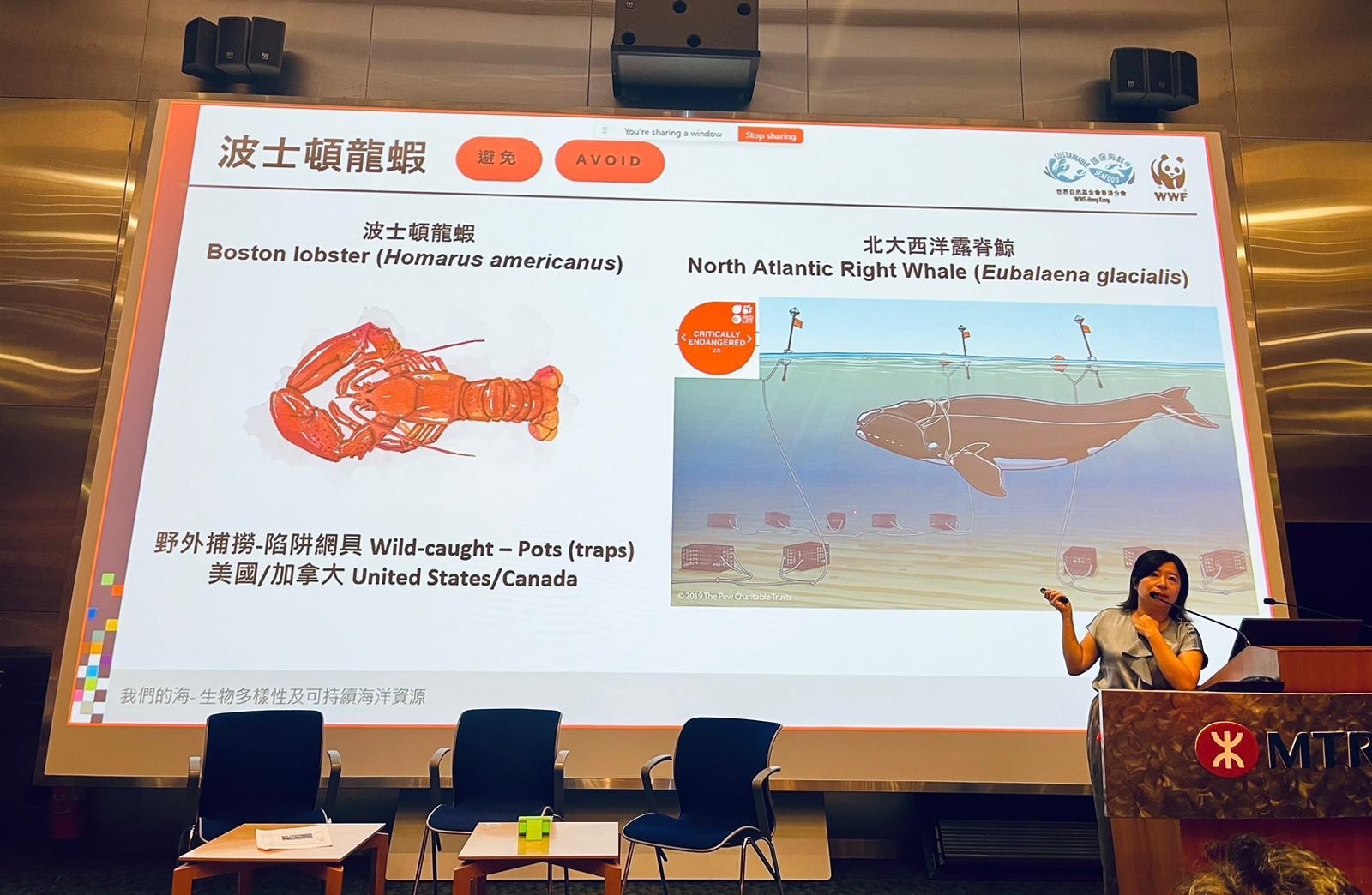
At the Restaurant, Café and Bar Hong Kong 2024 event, WWF-Hong Kong hosted a booth and ran a sharing session titled “Towards a Sustainable Seafood Industry” where we discussed our role in enhancing traceability and transparency, highlighting the importance of sustainability assessments and labelling frameworks in shaping industry practices. We are also helping to build capacity through staff workshops and training, empowering seafood businesses to integrate sustainability into daily operations and decision-making.

WWF-Hong Kong
WWF-Hong Kong

These targets are redefining how businesses can play a vital role in conserving the oceans, and WWF-Hong Kong and our partners are creating an ecosystem of accountability, ensuring that every seafood choice contributes to healthier oceans and a more sustainable future.

View our full list of members, please click here.

立即分享本頁