.jpeg)

.jpg)
In 2024, Lee Hysan Foundation and WWF-Hong Kong embarked on an ambitious journey to restore rice paddies in Mai Po Nature Reserve through the “Growing Mai Po” project. For over a decade, Lee Hysan Foundation and WWF-Hong Kong have partnered to enhance habitat management and infrastructure at Mai Po Nature Reserve.
As part of WWF’s broader effort to revitalise scarce wetland habitats within Mai Po Nature Reserve, the project seeks to restore and make functional a rice paddy ecosystem, one of Hong Kong’s most treasured wetland landscapes, with the aims of preserving biodiversity, strengthening climate resilience, and reconnecting the community with Hong Kong’s agricultural heritage.
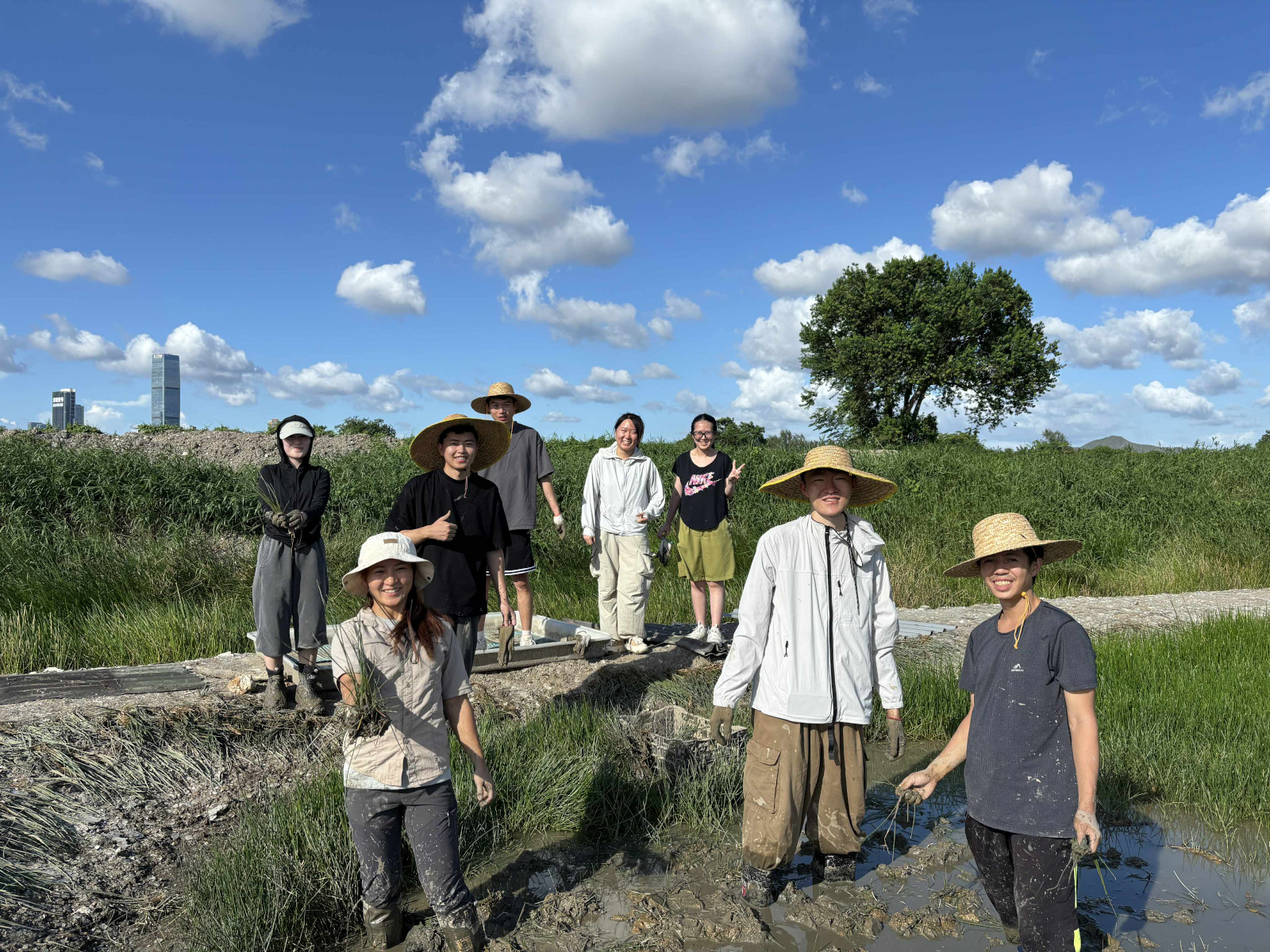
Growing Mai Po is a modern reimagination of traditional rice farming. Once an important part of the Hong Kong landscape, rice paddies have gradually disappeared, primarily due to urbanisation. “Growing Mai Po” brings this cultural legacy back to life, using scientific monitoring, technology and sustainable management to demonstrate how traditional practices can coexist with modern priorities.
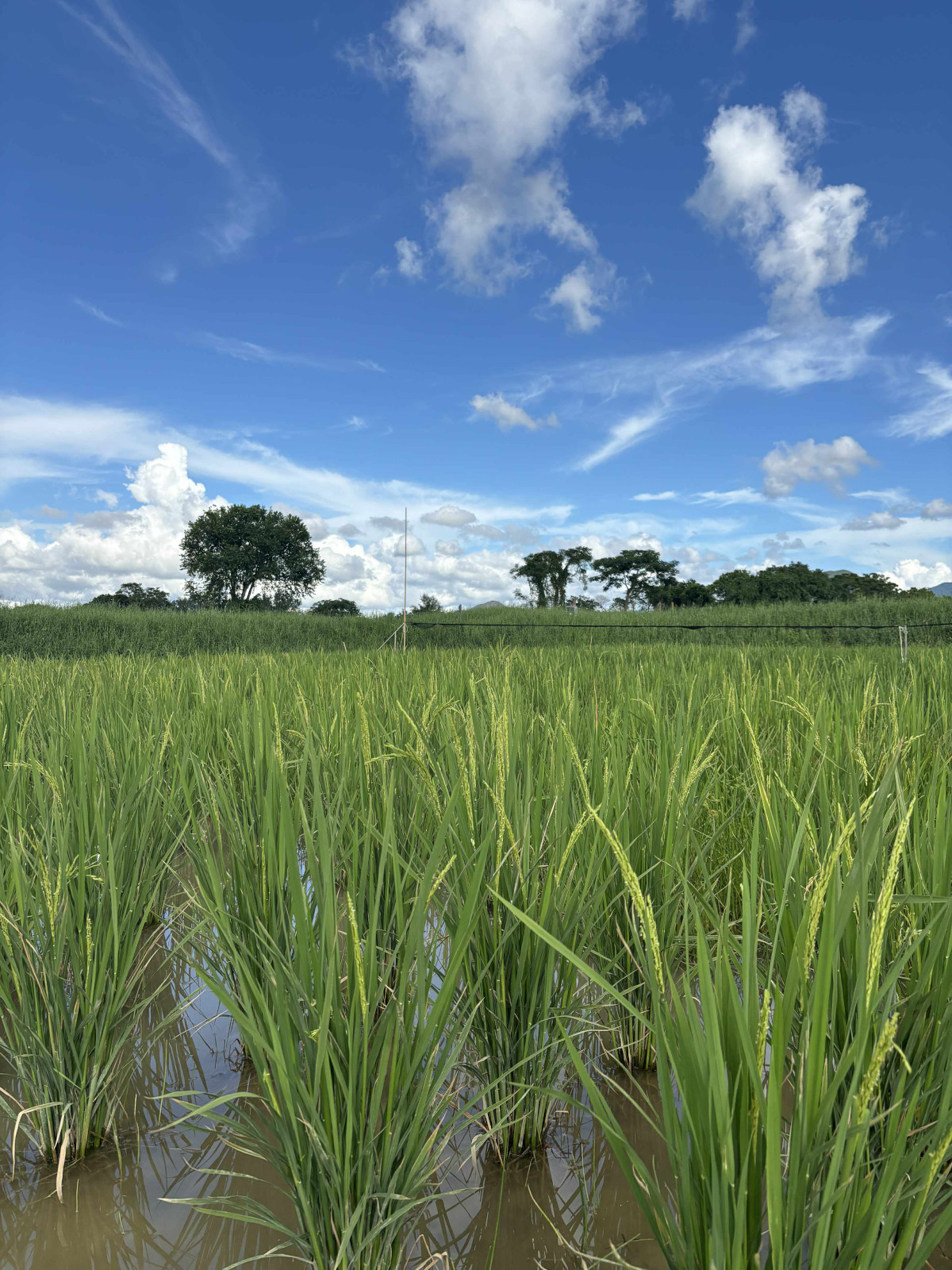
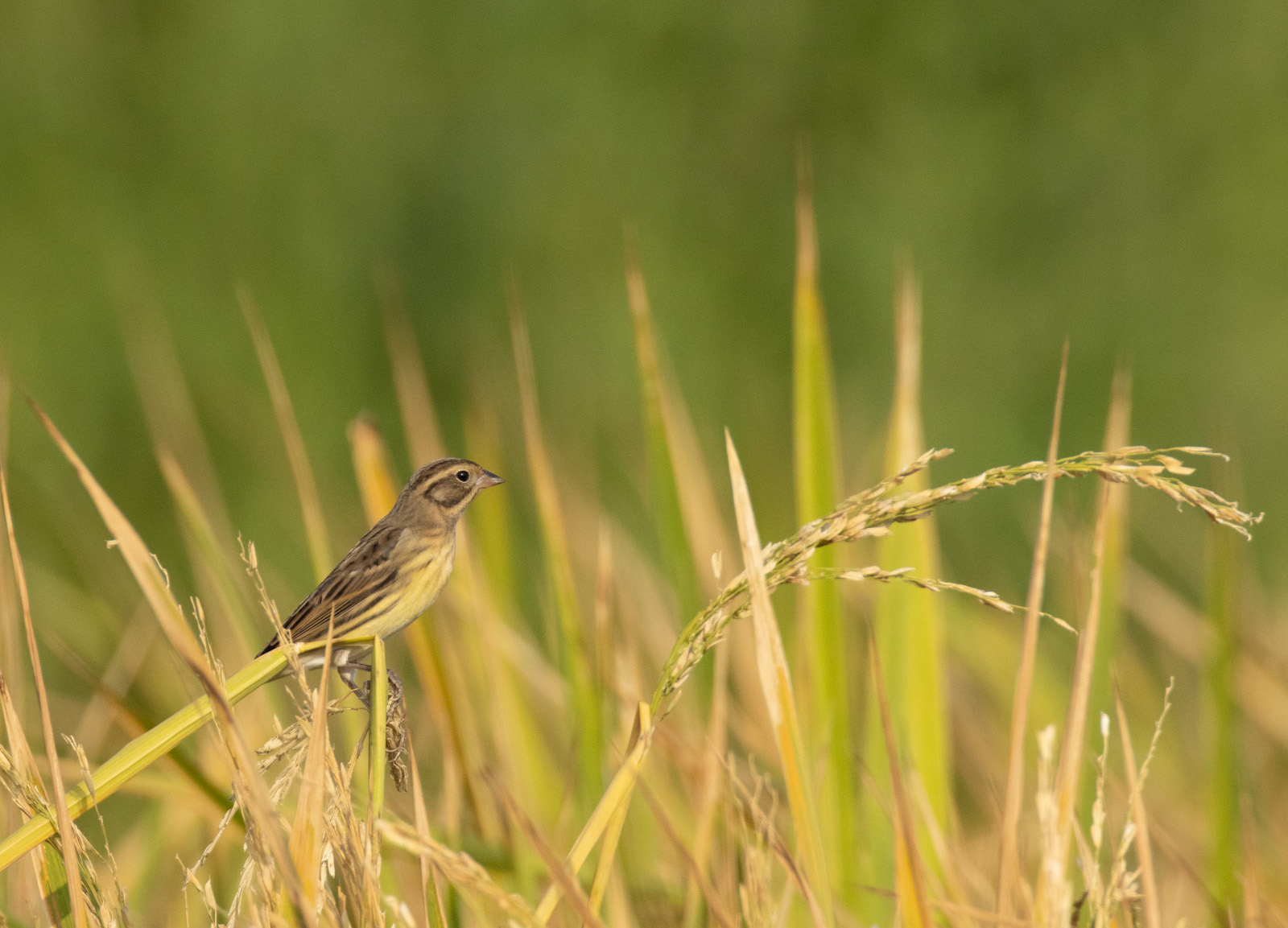
The project’s primary objectives are to safeguard globally endangered species and species of local concern, including the Yellow-breasted bunting and the Greater painted-snipe, while enhancing ecosystem services that support both wildlife and people. Through managing freshwater and brackish rice paddies within the Reserve, the team hopes to create a diverse mosaic of habitats that can withstand extreme weather events.
Blending Heritage and Science
So far, following traditional rice growing techniques, the project team has successfully cultivated both freshwater and brackish rice varieties. These include native Hong Kong varieties like “Ham Moon”, which is also helping to conserve local genetic diversity and cultural heritage. To measure Growing Mai Po’s effectiveness, the team has conducted scientific surveys to assess crop growth rates and monitor wildlife visits. The data collected will guide future adaptive management strategies and ensure that the restored paddies benefit both people and nature.

Smart Hydrology
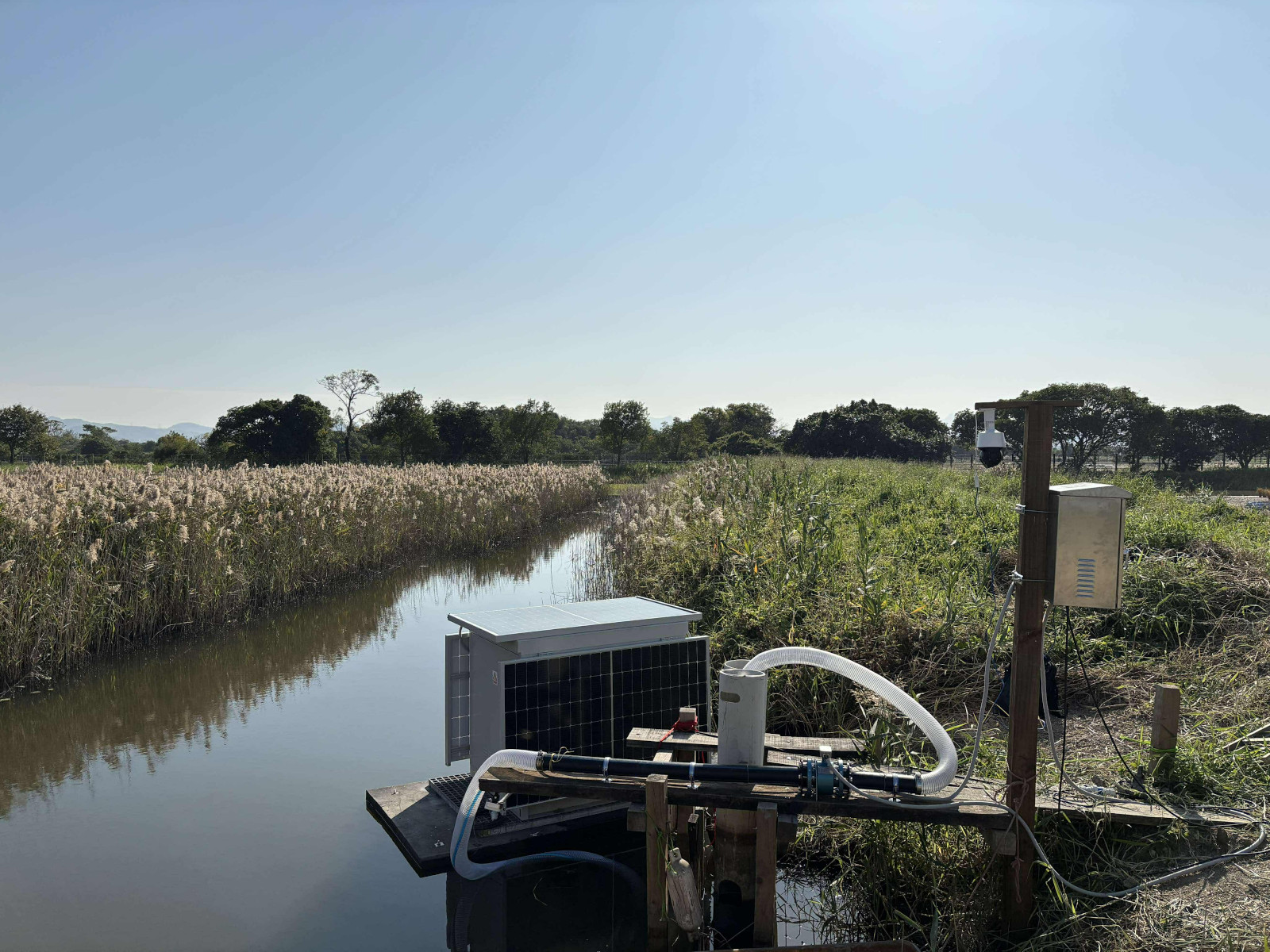
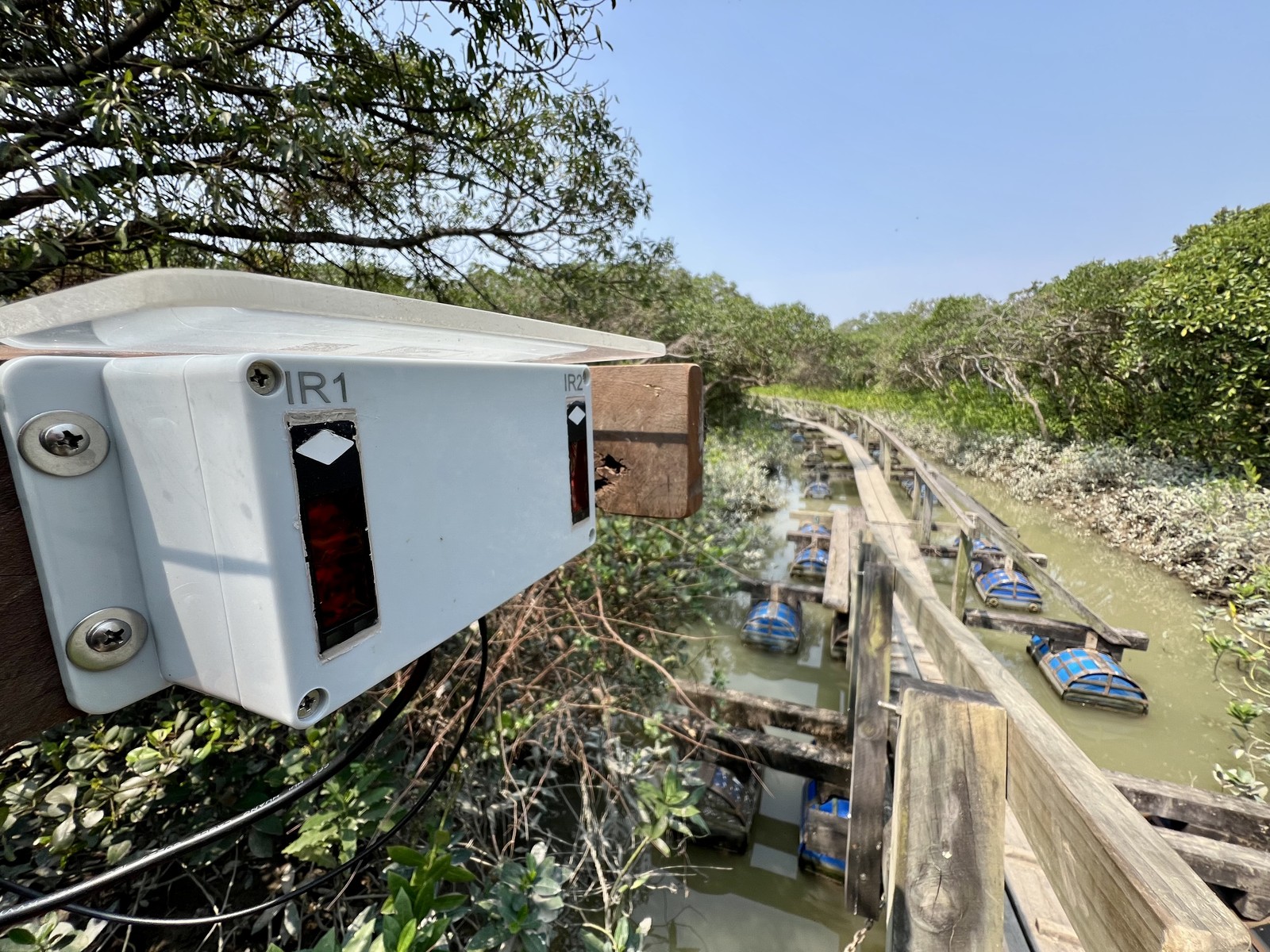
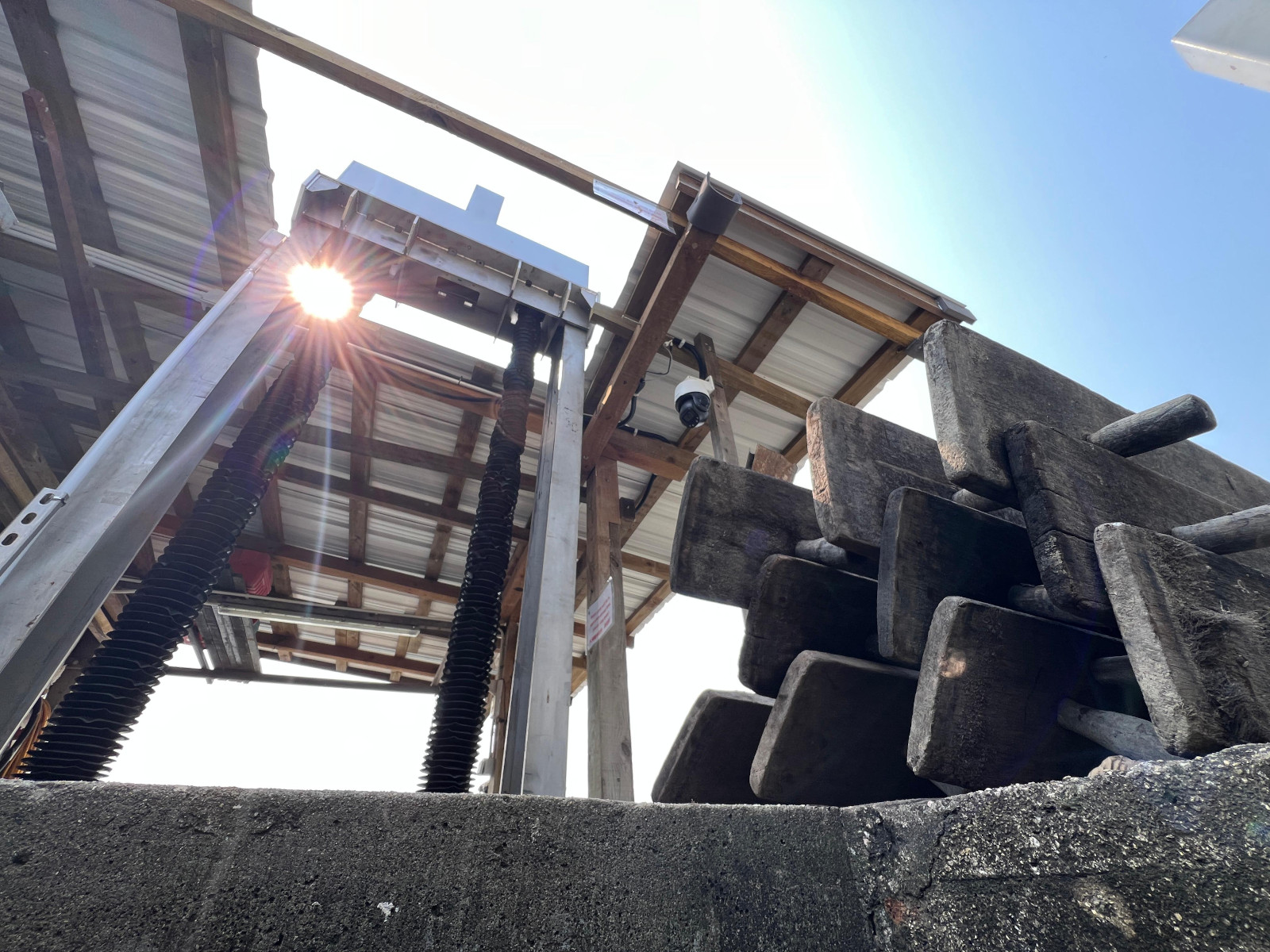
One of the greatest challenges facing wetland restoration is how to manage water in unpredictable weather conditions. Recognising this, the project team implemented a smart hydrology management system to ensure precise, climate-adaptive control over the restored rice paddies. Three smart water pump systems were installed, each equipped with water level and water quality sensors, submersible pumps, cameras, and a control platform. These systems allow staff to monitor and adjust water conditions in real time, maintaining the balance necessary for rice growth and wetland biodiversity.
The site also features an IoT automatic weather station, the first Co-WIN (Community Weather Information Network) station to utilise the GWIN (Government-Wide IoT Network), developed by Hong Kong’s Electrical and Mechanical Services Department. This state-of-the-art system transmits live weather data that can be used by WWF-Hong Kong’s management team and the public, enhancing transparency and enabling climate-smart decision making. We also deployed three timelapse cameras that document changes in the paddies across seasons.
Building Knowledge and Community
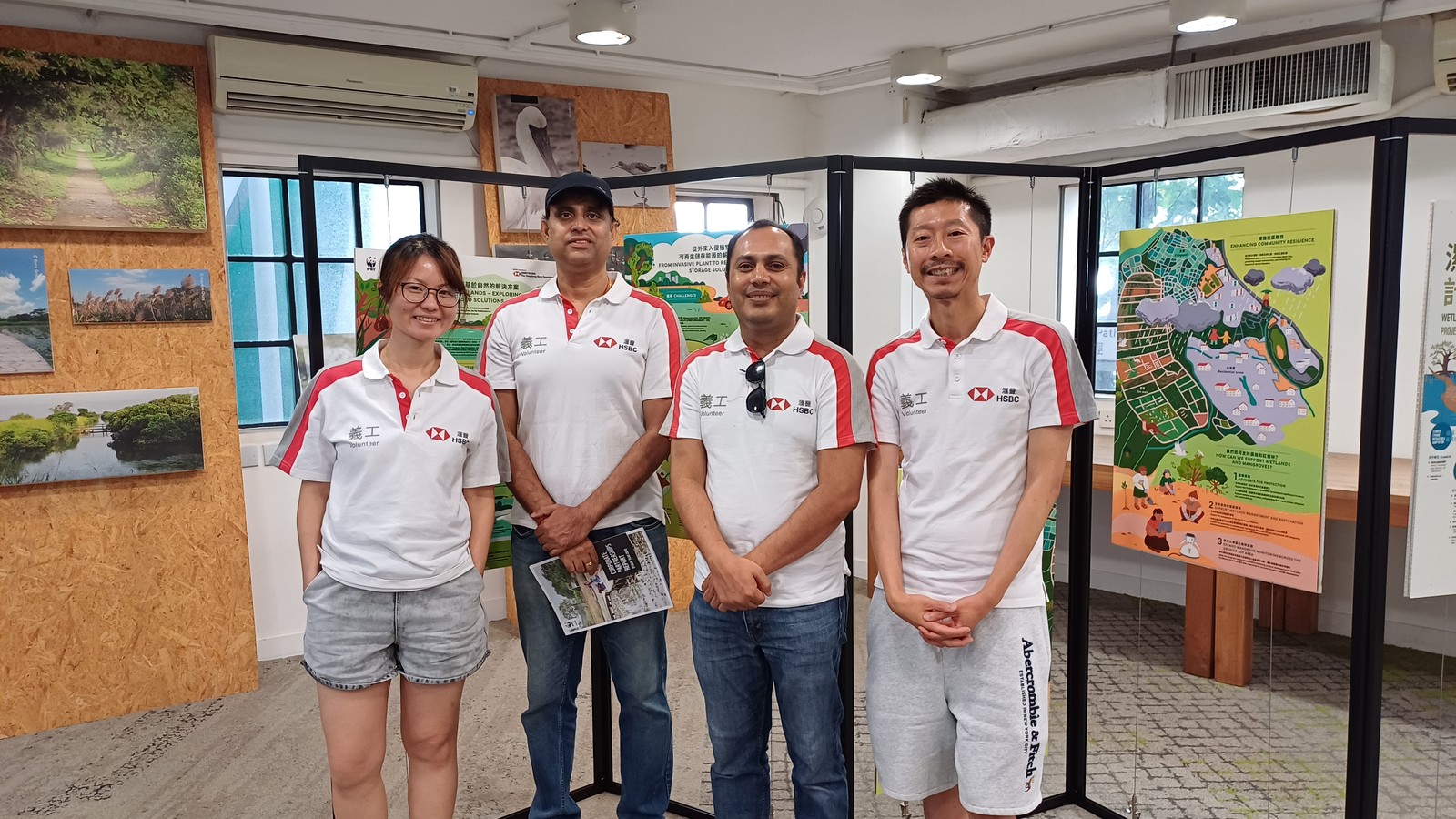
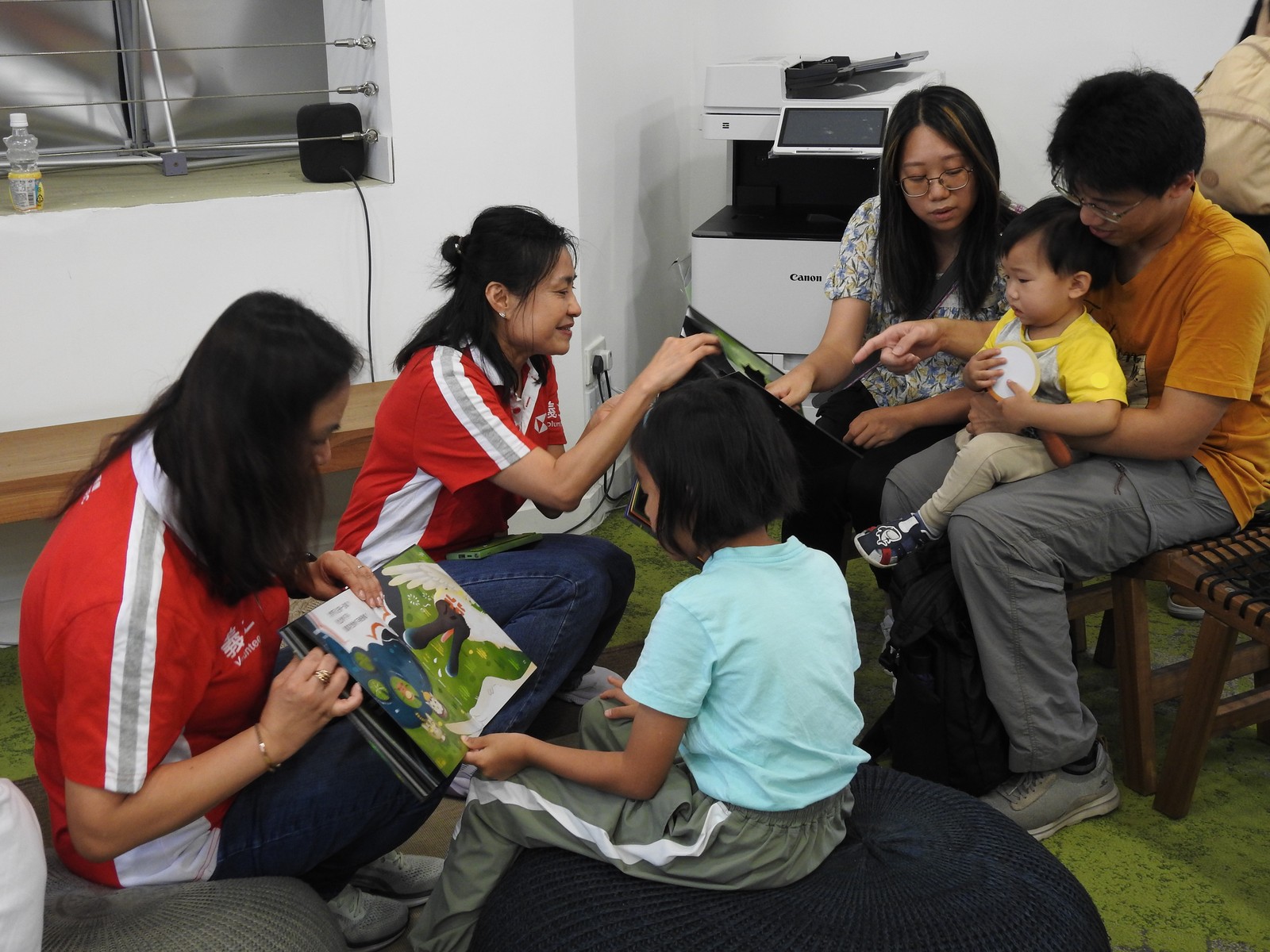
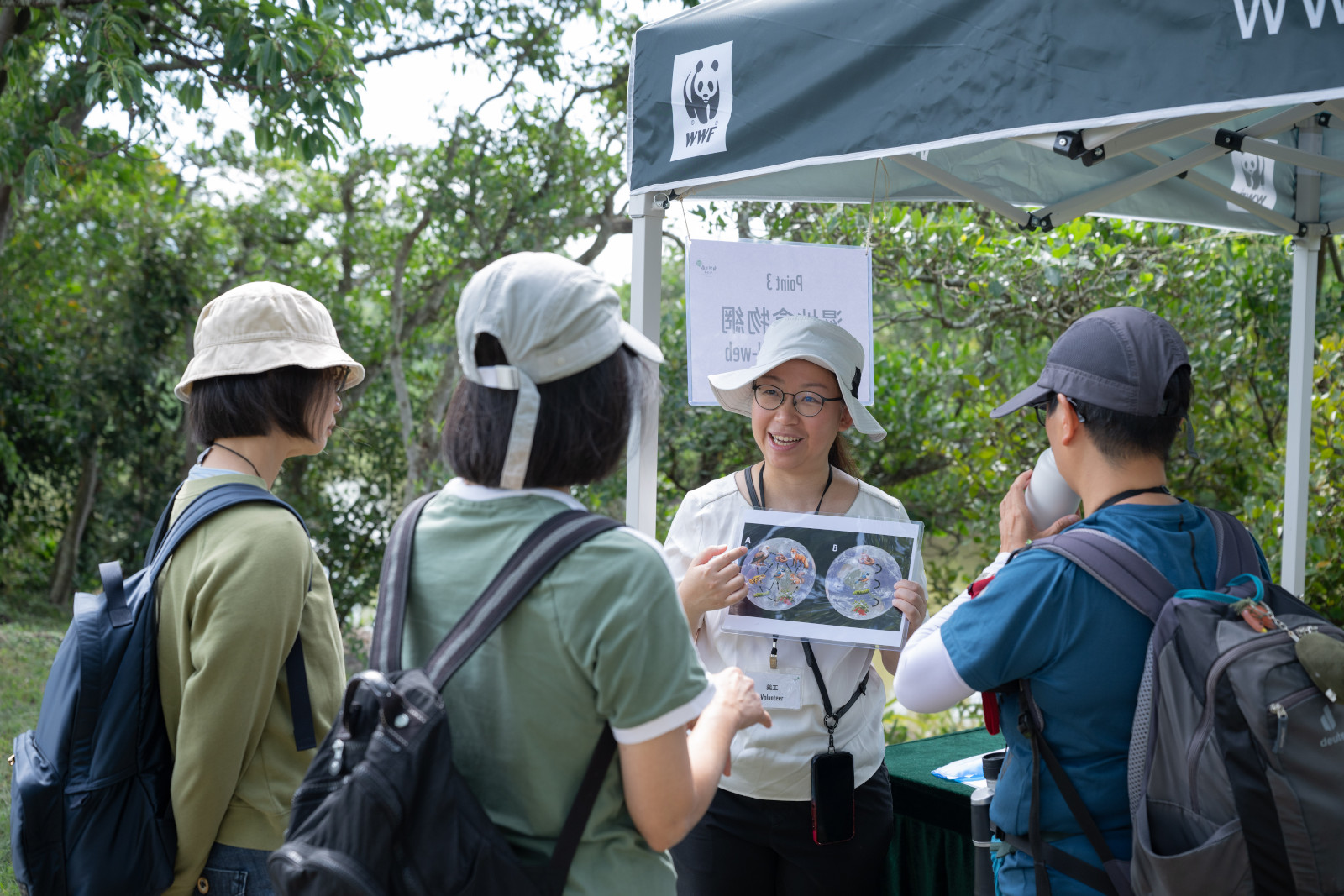
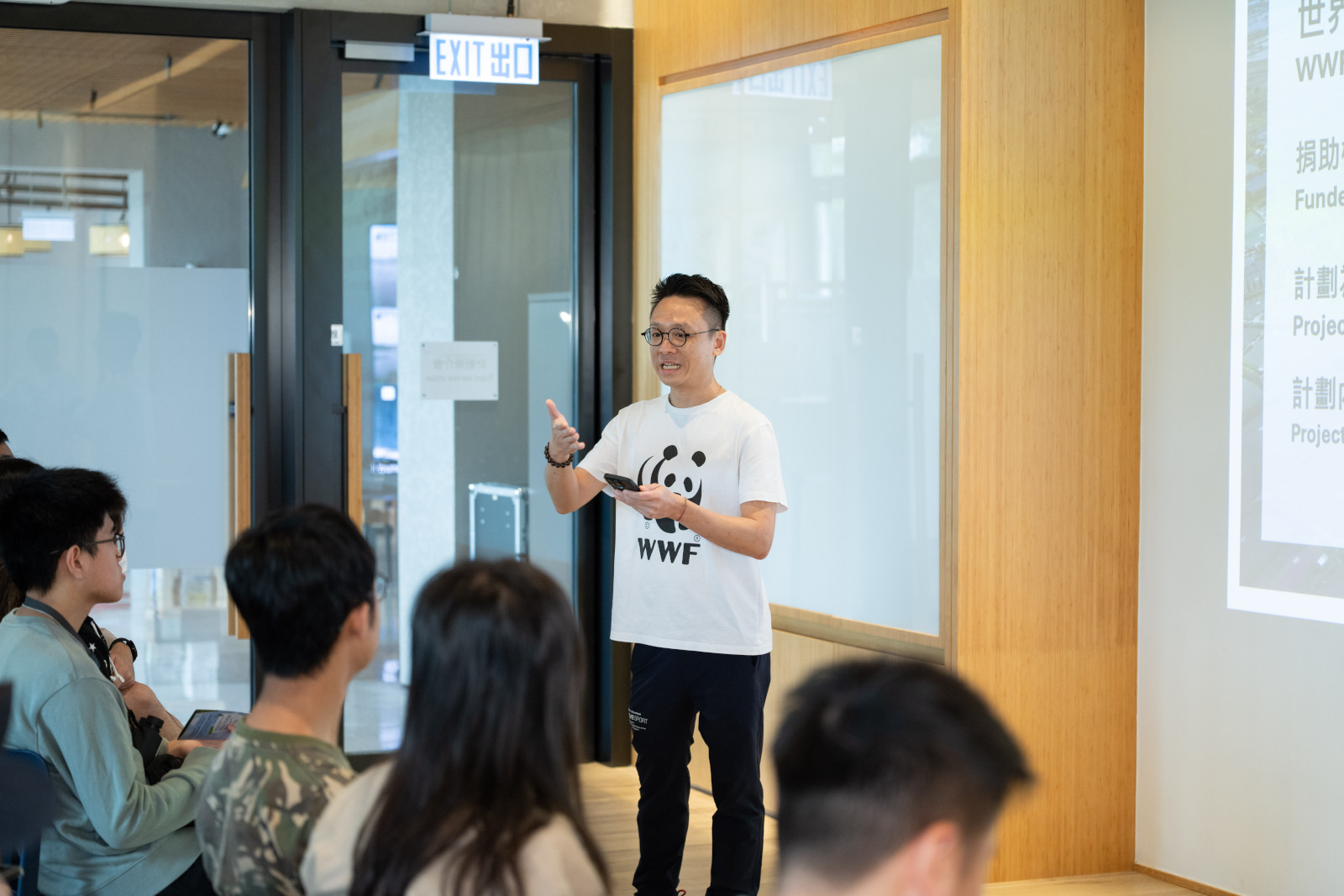
Beyond its environmental goals, the Growing Mai Po project also aims to reconnect people with nature. The project is engaging local community members, researchers and schools through guided tours, volunteer programmes, educational initiatives, and more. These collaborative efforts are cultivating a new generation of environmental stewards – people who understand how climate adaptation, food security, biodiversity conservation, and modern lifestyles are deeply interconnected.
The partnership between Lee Hysan Foundation and WWF-Hong Kong is pioneering a model of smart, sustainable wetland management. As climate change continues to reshape Hong Kong’s landscapes, Growing Mai Po serves as an example of how ecosystems, when properly restored and managed, can deliver multiple benefits.

%20IMG_3865.jpg)


.jpg)