.jpeg)
Mobilising finance for nature is a powerful way to accelerate global sustainability. WWF-Hong Kong is helping transform the financial system into a force for environmental and social good by encouraging the finance and corporate sectors to recognise that investing in nature is a strategic opportunity for long-term resilience and growth, as well as a moral imperative.
Our work focuses on engaging institutional investors, lenders, insurers, and regulators to integrate nature and climate considerations into financial decision-making. Through our Bankable Nature Solutions (BNS) initiative, we also develop and support commercially viable projects that deliver measurable environmental, social and economic returns. These nature-based investments bridge critical funding gaps and contribute directly to achieving the UN Sustainable Development Goals. From climate adaptation and water resilience to biodiversity protection and community wellbeing, BNS projects present proof-of-concept examples of how profitability and sustainability can coexist.
In collaboration with global partners and development finance institutions, including the Dutch Fund for Climate and Development (DFCD), WWF-Hong Kong is helping create new blended finance models that amplify conservation impact.
As the Regional Lead for the DFCD in Asia, WWF-Hong Kong accelerates climate adaptation and builds resilience across some of the world’s most climate-vulnerable regions. Led by WWF Netherlands (WWF-NL), SNV Netherlands Development Organisation (SNV), the Dutch Entrepreneurial Development Bank, and Climate Fund Managers, DFCD mobilises private sector partnerships to identify, develop and scale bankable, nature-positive solutions.
The DFCD Origination Facility, jointly managed by WWF-NL and SNV, turns innovative ideas into investable projects that produce tangible climate and biodiversity benefits. Targeting vulnerable regions in Africa, Asia and Latin America, the facility works in key sectors – forestry, agriculture, water and sanitation, environmental protection, and others – bridging financial gaps and advancing global environmental goals.
Through the Asian Origination Facility, led by WWF-Hong Kong, the fund supports initiatives across Indonesia, Vietnam, India, Pakistan, and the Philippines. In FY25, WWF-Hong Kong advanced three promising projects: JALA Tech in Indonesia, Agri-EXIM in the Philippines and GH2 Industries in Pakistan; all of which will make presentations to the DFCD Investment Committee in late 2025.
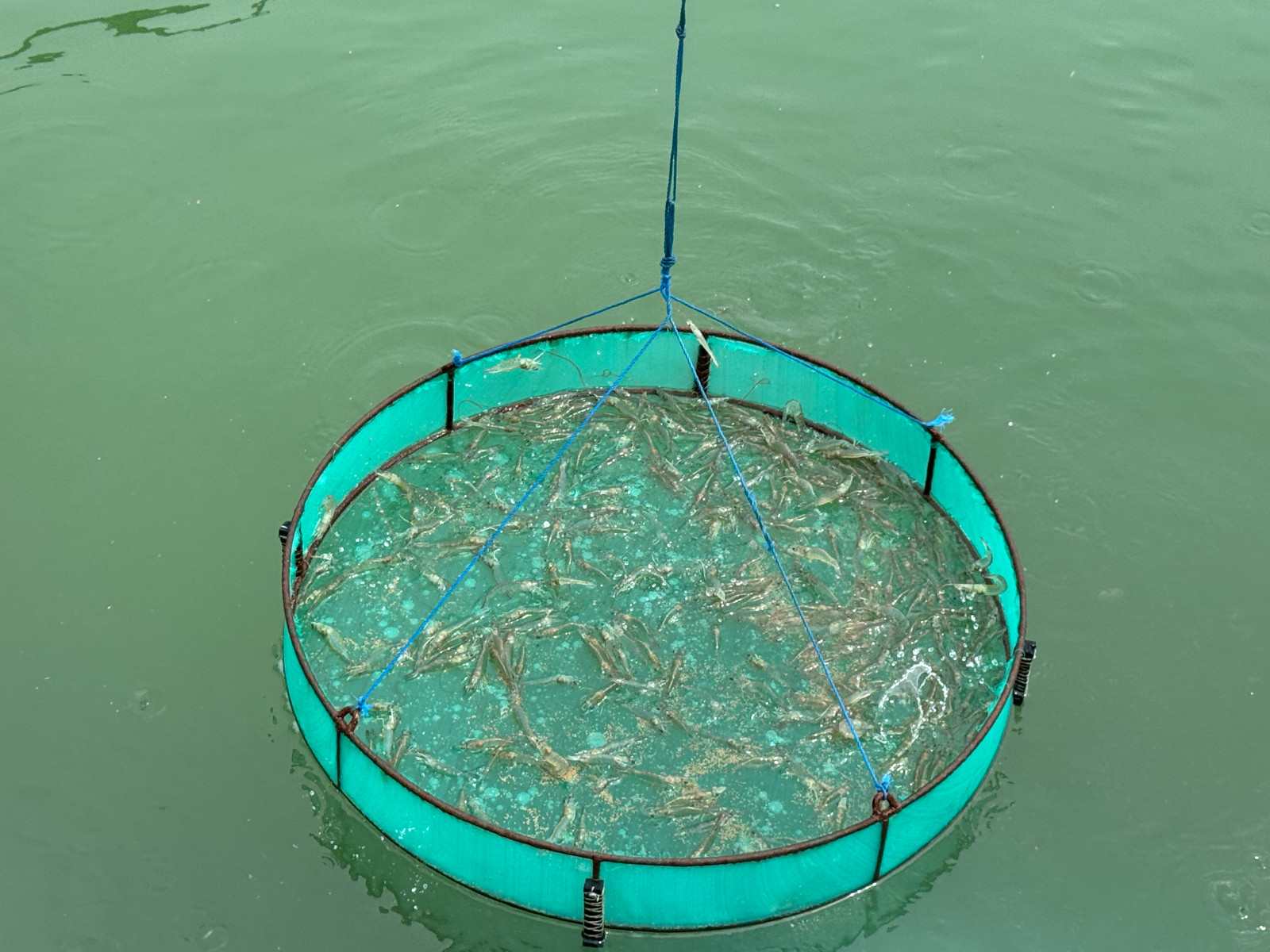
JALA Tech operates an aquaculture technology ecosystem that connects over 2,500 active shrimp farmers in Indonesia through data-driven tools that reduce disease risk and optimise yields. With DFCD support, JALA is expanding its Climate Smart Shrimp Farm model, which combines high-tech shrimp farming with mangrove restoration on parcels of land, with shrimp farming occupying 30–50% of the land and mangroves the remainder. This innovative approach has produced 15-fold yield increases and five-fold livelihood improvements, while reversing decades of mangrove losses.
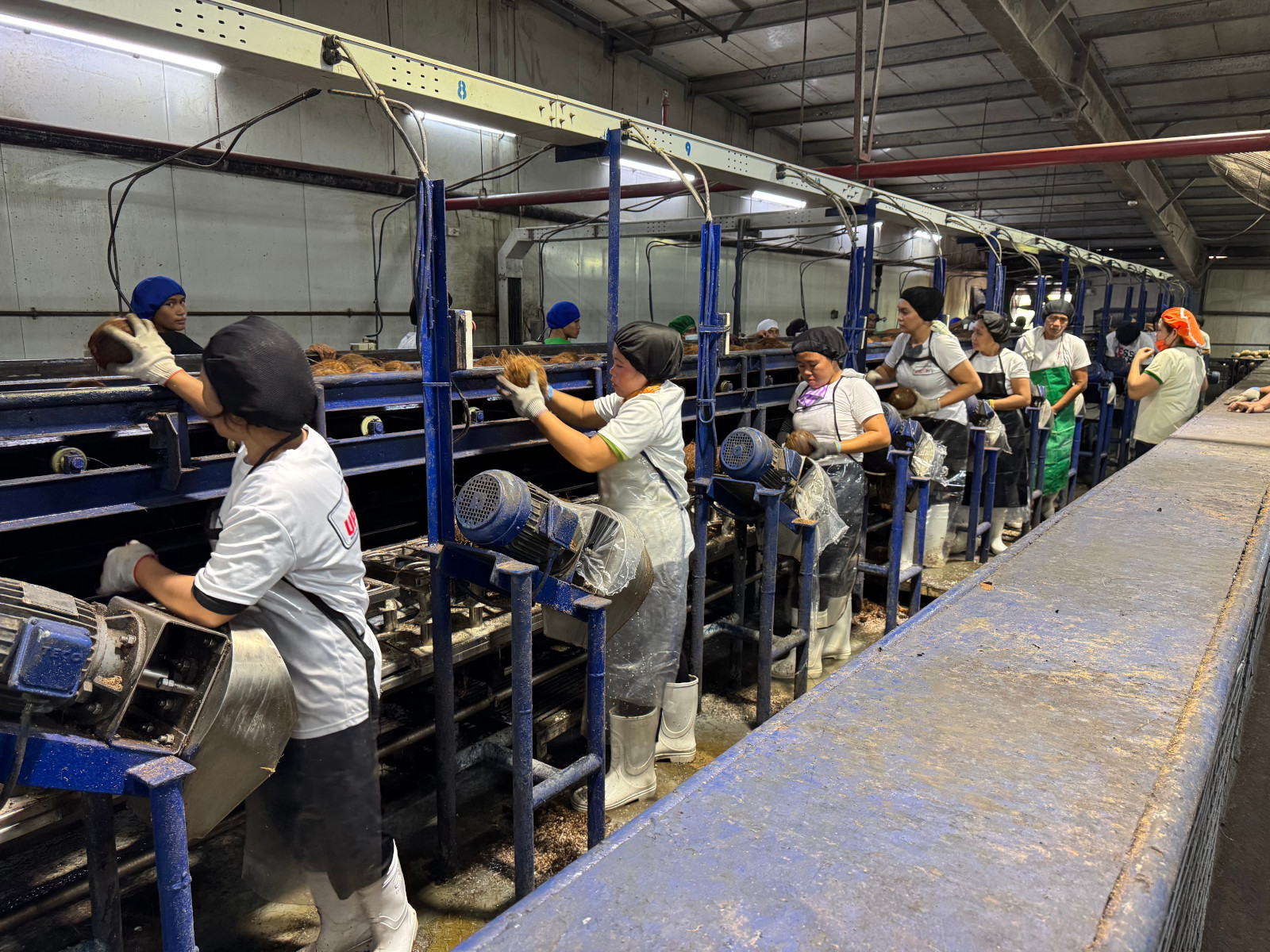
Agri-EXIM was founded in 2015 to produce quality organic ingredients while empowering local farmers. By utilising all parts of coconuts for a growing range of plant-based products, Agri-EXIM is meeting rising global demand for sustainable alternatives. The DFCD will help scale up the project, working alongside WWF Philippines. Farmers will receive training in low-carbon cultivation and intercropping techniques as the project land area expands from 14,000 to 31,000 hectares, while also promoting climate smart agriculture, sustainable water use, emissions reduction, and gender-inclusive community development. The project is expected to generate US$150 million in revenue upon factory completion.
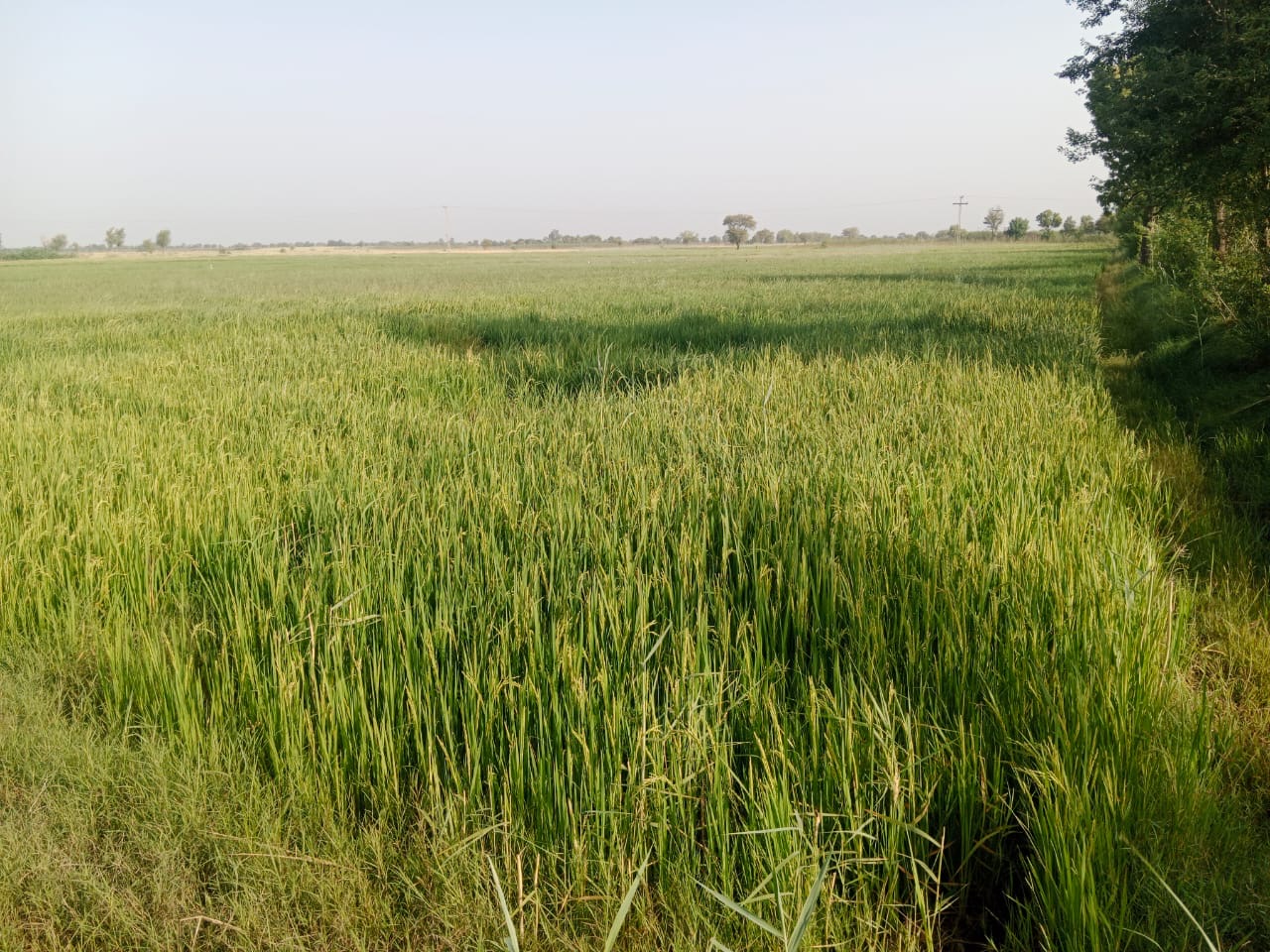
GH2 Industries is establishing a vertically integrated manufacturing facility that will transform agricultural waste, such as rice husks and broken rice, into sorbitol and dextrose, essential ingredients for food and pharmaceuticals. Backed by a US$10 million blended investment from DFCD, Building Prospects, The Bank of Punjab, and AGRI3 Fund, the project exemplifies circular economic innovation, reducing emissions, creating jobs, improving farmers’ livelihoods, and advancing Pakistan’s green economy.
These projects demonstrate that WWF-Hong Kong is a leader in connecting finance, innovation and conservation. Through the DFCD, we are proving that climate adaptation and sustainable economic growth are interdependent. By bridging global capital with local innovation, these projects are helping communities and businesses thrive, building a more resilient, nature-positive future across Asia and beyond.
.jpg)
