Our Shared Fight for the Future of Wildlife

Font size:
A
A
A

Wildlife is the heartbeat of our planet. Wildlife sustains ecosystems, supports communities and has inspired people for generations. Despite this, the illegal wildlife trade (IWT) remains one of the greatest threats to the Earth’s biodiversity, driving countless species towards extinction and undermining our planet’s ecological stability. The trade not only devastates nature; it fuels transnational crime, weakens economies and creates serious risks to global health.

As a global trading hub, Hong Kong can play a pivotal role in the fight against IWT. Strengthening our systems to prevent the illegal transshipment of endangered species is an environmental necessity and a matter of global responsibility and leadership. Our leadership can protect wildlife populations, safeguard livelihoods and build more transparent and resilient supply chains.

WWF-Hong Kong has been leading the Asia-Pacific Counter-Illegal Wildlife Trade (AP IWT) Hub – a regional anti-IWT effort uniting governments, NGOs and the business community to disrupt illegal trade networks and close critical loopholes. Through consultations, data-sharing and capacity-building initiatives, we are empowering our corporate partners to take meaningful action. Together, we are raising awareness, developing best practices and promoting responsible trade that aligns with international conservation and sustainability standards.

Anti-IWT e-learning for Maritime Supply Chains

On 31 October 2024, WWF-Hong Kong, in partnership with the International Maritime Organization (IMO) and the World Maritime University, launched a groundbreaking e-learning course, Illegal Wildlife Trade: Introduction to Counter Wildlife Trafficking in Maritime Supply Chains. This initiative is a significant milestone in the global effort to combat wildlife trafficking – it empowers maritime professionals with the knowledge and tools to identify, prevent and respond to illegal activities within international supply chains.

The course, a practical learning platform for individuals and organisations across the maritime sector, comprises five interactive modules, covering key concepts like the scale and impact of illegal wildlife trade, methods of concealment, red flag indicators, and the shared responsibilities of maritime logistics stakeholders.
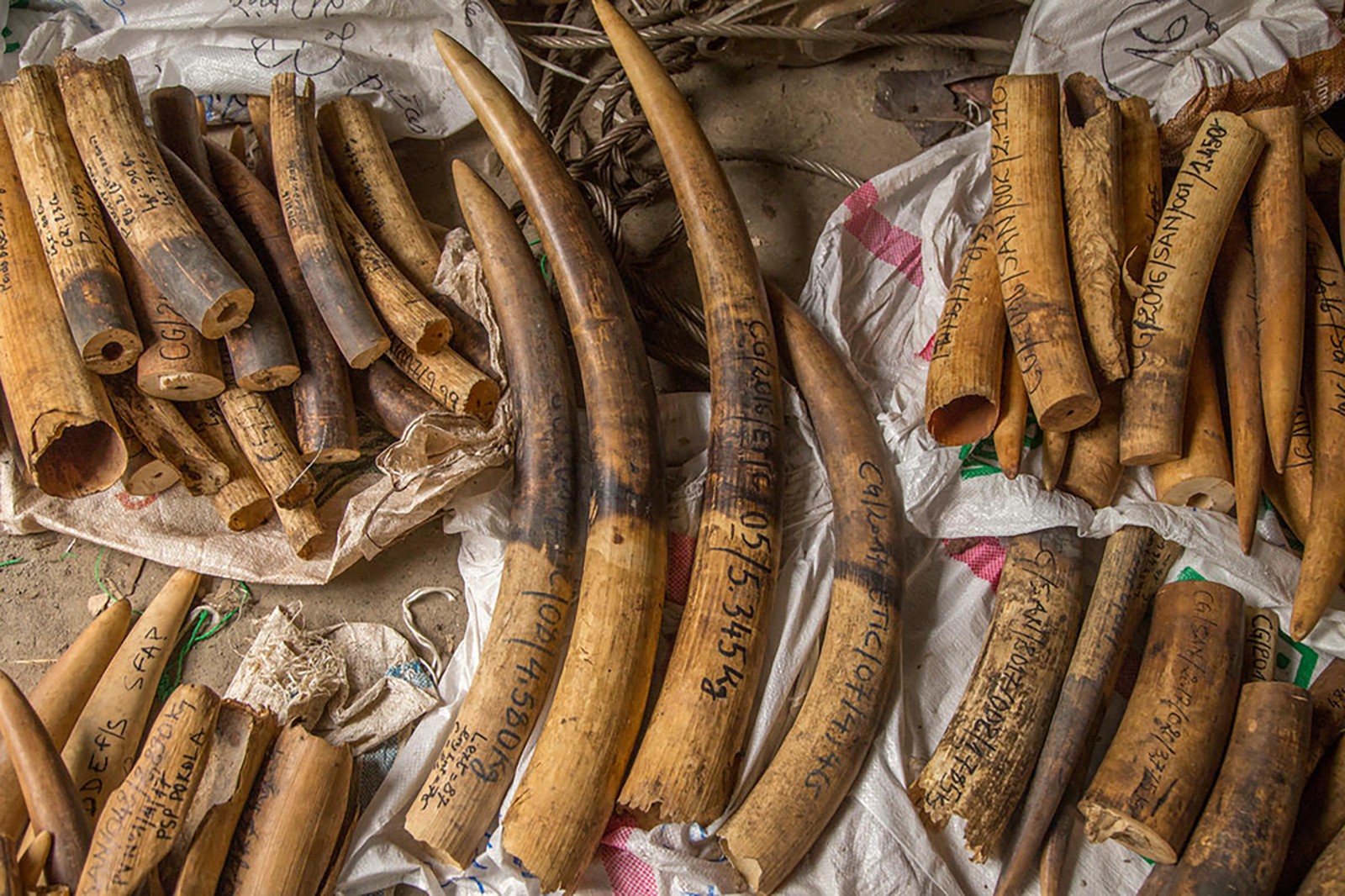
Daniel Nelson / WWF

Grounded in the IMO’s Revised Guidelines for the Prevention and Suppression of the Smuggling of Wildlife on Ships Engaged in International Maritime Traffic, the course gives participants a solid understanding of how global maritime systems can be safeguarded against exploitation. Course finishers receive an official Certificate of Completion from the IMO, recognising their contribution to strengthening the industry’s capacity to detect and deter illegal wildlife trafficking.

This partnership exemplifies the power of cross-sector collaboration in addressing complex global challenges, and supports a more vigilant, responsible maritime community that helps ensure the integrity of international trade.
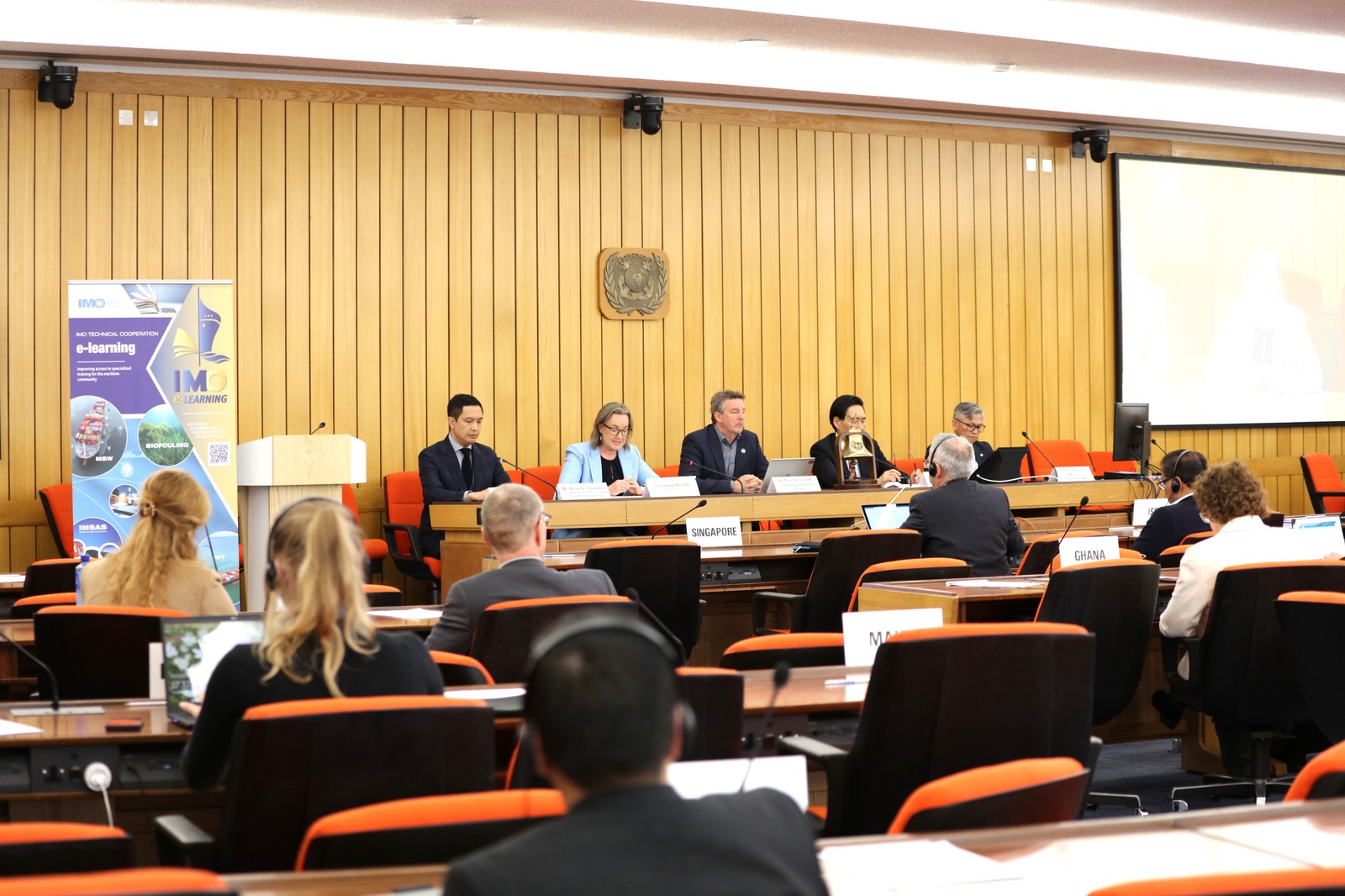
International Maritime Organization

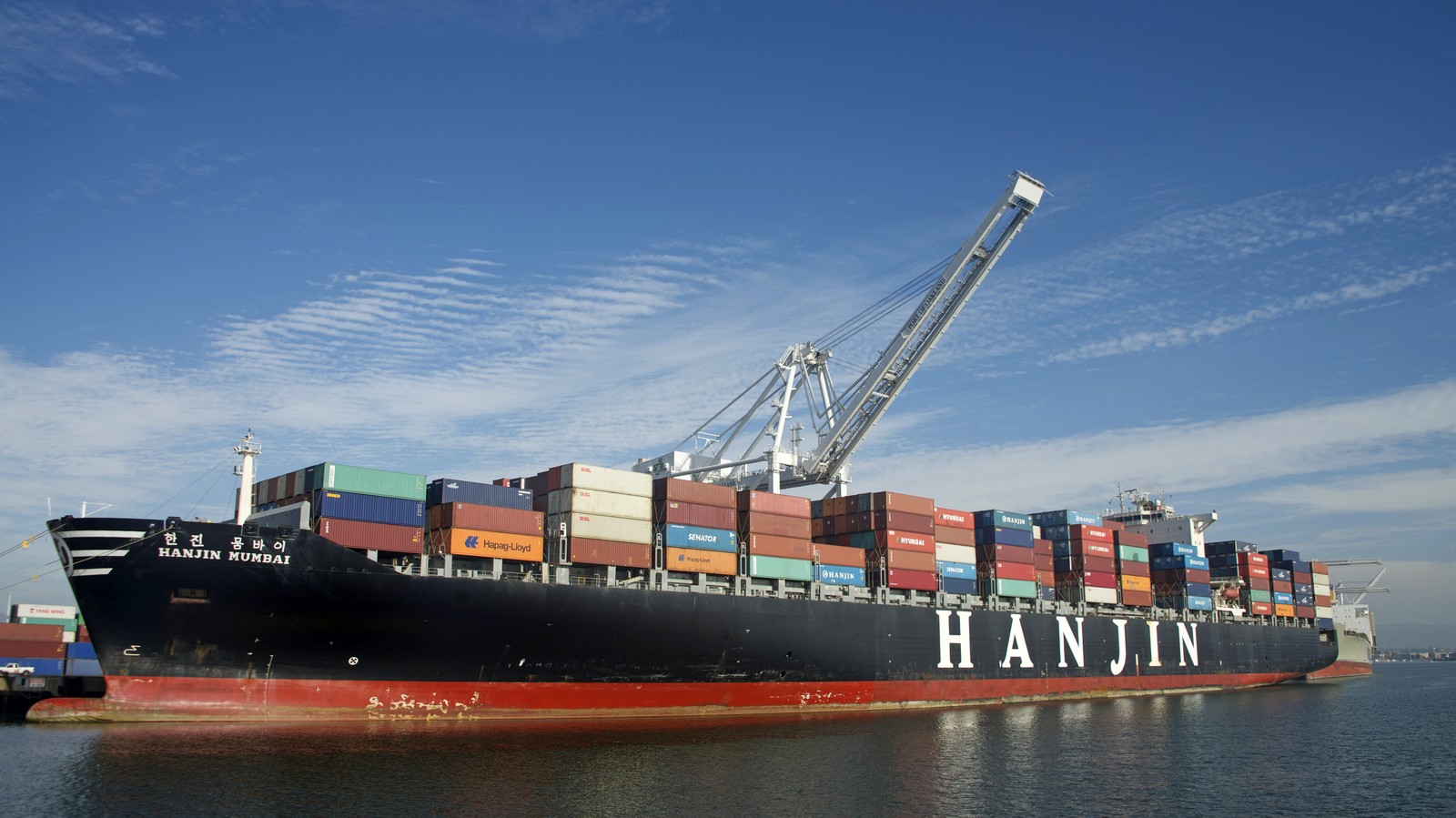
Hanjin Logistics: Part of a Global Effort to Combat IWT

In a significant step towards strengthening international corporate responsibility and environmental stewardship, Hanjin Logistics Corporation has joined the global fight against the illegal wildlife trade.

Mr Noh Sam-sug, CEO and President of Hanjin Logistics Corporation, signed the Buckingham Palace Declaration, a landmark initiative led by United for Wildlife. The declaration unites transport and logistics leaders in a shared commitment to disrupt IWT by closing trafficking routes and strengthening vulnerabilities in transportation and customs systems.

This breakthrough was made possible by a strong partnership between WWF Korea and the WWF-Hong Kong-led AP IWT Hub and our collaborative work with Hanjin Logistics to enhance corporate anti-IWT capacity. Prior to the signing, WWF experts conducted staff training and internal engagement initiatives with Hanjin to raise awareness, strengthen compliance mechanisms and foster a culture of vigilance in within the company.

Hanjin Logistics has joined a growing network of corporations taking collective action to eliminate IWT. By endorsing the Declaration’s eleven key commitments, Hanjin has pledged to enhance information sharing, cooperate effectively with law enforcement agencies and refuse to transport suspicious wildlife cargo. These actions reinforce the company’s commitment to ethical and sustainable business practices and underline the critical role of the logistics industry in safeguarding global biodiversity.

WWF-Hong Kong
立即分享本頁