Through international partnerships, advanced technology and scientific innovation, WWF-Hong Kong continues to promote biodiversityconservation and disrupt the illegal wildlife trade (IWT). Leveraging our expertise in forensics, artificial intelligence, monitoring, and the One Health approach, our work bridges science and policy to restore ecosystems and protect endangered species. From pioneering ivory identification research to digitised cargo screenings, WWF-Hong Kong continues to drive systemic change ensuring that global trade and technological progress contribute to safeguarding nature for future generations.
Uniting Partners and Policy in Wildlife Crime Prevention
WWF-Hong Kong regularly collaborates with public and private partners to combat IWT by promoting rules-based frameworks, advancing policy reforms and strengthening regional cooperation. By leading the AsiaPacific Counter-IWT Hub, we coordinate efforts across WWF’s regional programmes to disrupt trafficking networks and enhance enforcement. The launch of GUARD Wildlife Project (Global United Action to Reduce and Dismantle Wildlife Crime) in Hong Kong, a 30-month European Unionfunded initiative led by the United Nations Office on Drugs and Crime in partnership with members of the International Consortium on Combating Wildlife Crime (ICCWC), targets demand reduction for threatened reptiles and birds in the exotic pet trade, and promoting alternative so threatened species used in Traditional Chinese Medicine (TCM).
WWF-Hong Kong supported two pioneering research initiatives to help authorities distinguish potentially illegal elephant ivory from legal mammoth ivory this year. In June 2025, the University of Hong Kong unveiled a breakthrough forensic method that uses a rapid, cost effective stable isotope analysis to identify ivory rapidly and cost effectively. BBC Click also featured a University of Bristol project we backed, employing a non-destructive laser-based technique to determine ivory species and age. Both studies address enforcement challenges to close loopholes in the ivory market, reinforcing global efforts to protect elephants from poaching and illegal trade.
WWF-Myanmar
Cost-effective, fast and scalable, the University Hong Kong study will help enforcement agencies flag suspicious elephant ivory and close loopholes
Innovation Driving Safer Supply Chains
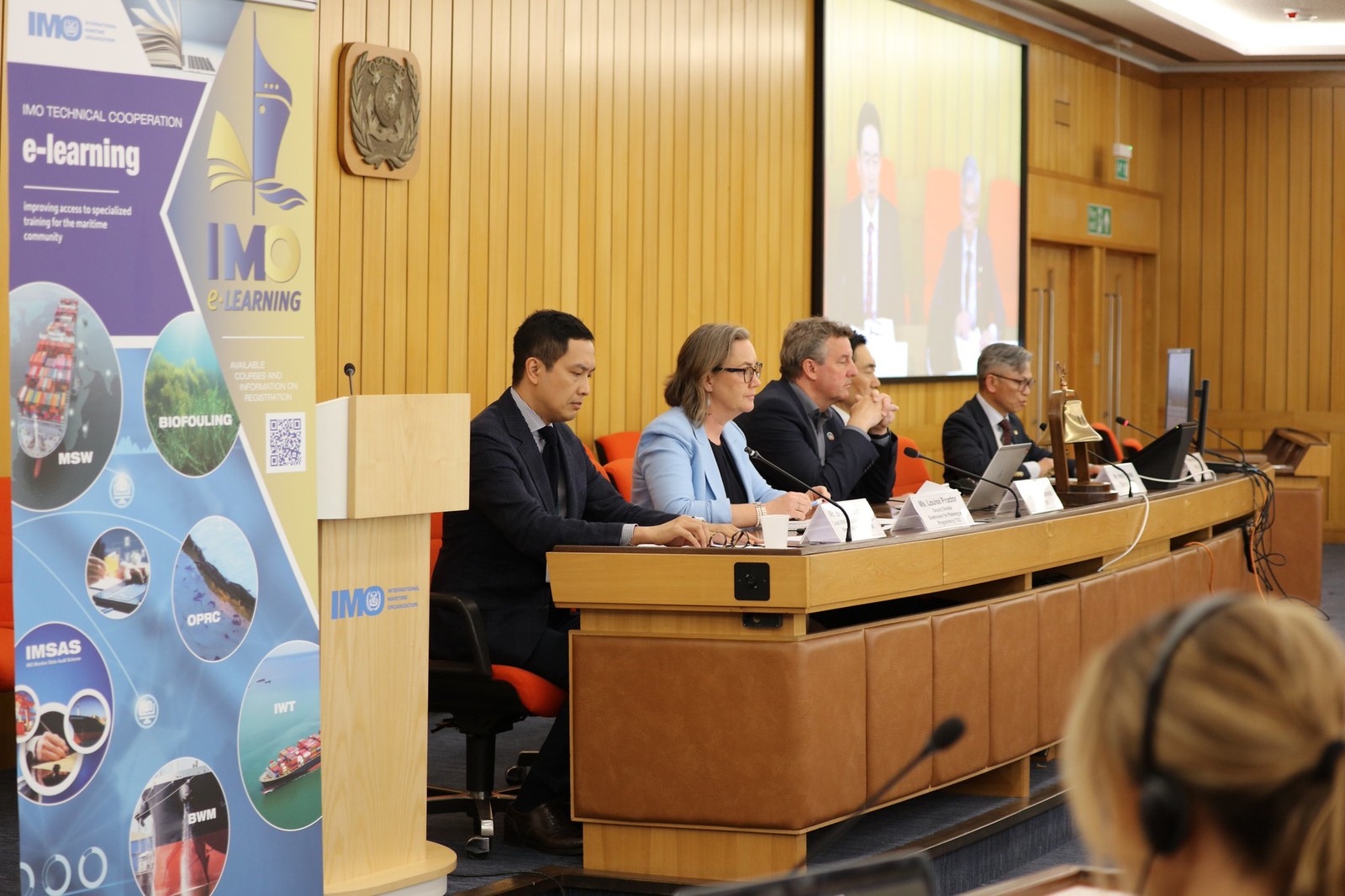
Launched in January 2024, WWF-Hong Kong’s Innovative Technology Solution for Detecting Undeclared and Misdeclared Wildlife Products in Cargo Bookings has now screened more than 7.3 million cargo bookings and identified over 25,000 high-risk shipments – a major advancement in combating IWT in maritime supply chains. To build industry capacity, WWF collaborated with the International Maritime Organization and the World Maritime University to release a free e-learning course for maritime professionals, training them to detect IWT. Meanwhile, a global review of shipping companies’ “no shark fin” carriage policies and a partnership with WWF-Korea to develop Hanjin Logistics training led Hanjin to endorse the Buckingham Palace Declaration, strengthening global momentum against IWT.
The launch of the cargo screening tool aims to provide an industrywide universal solution for identity misdeclared or undeclared wildlife products in maritime trade
International Maritime Organization
The presentation of the e-course on facilitation in IMO’s headquarters in London
WWF / James Morgan
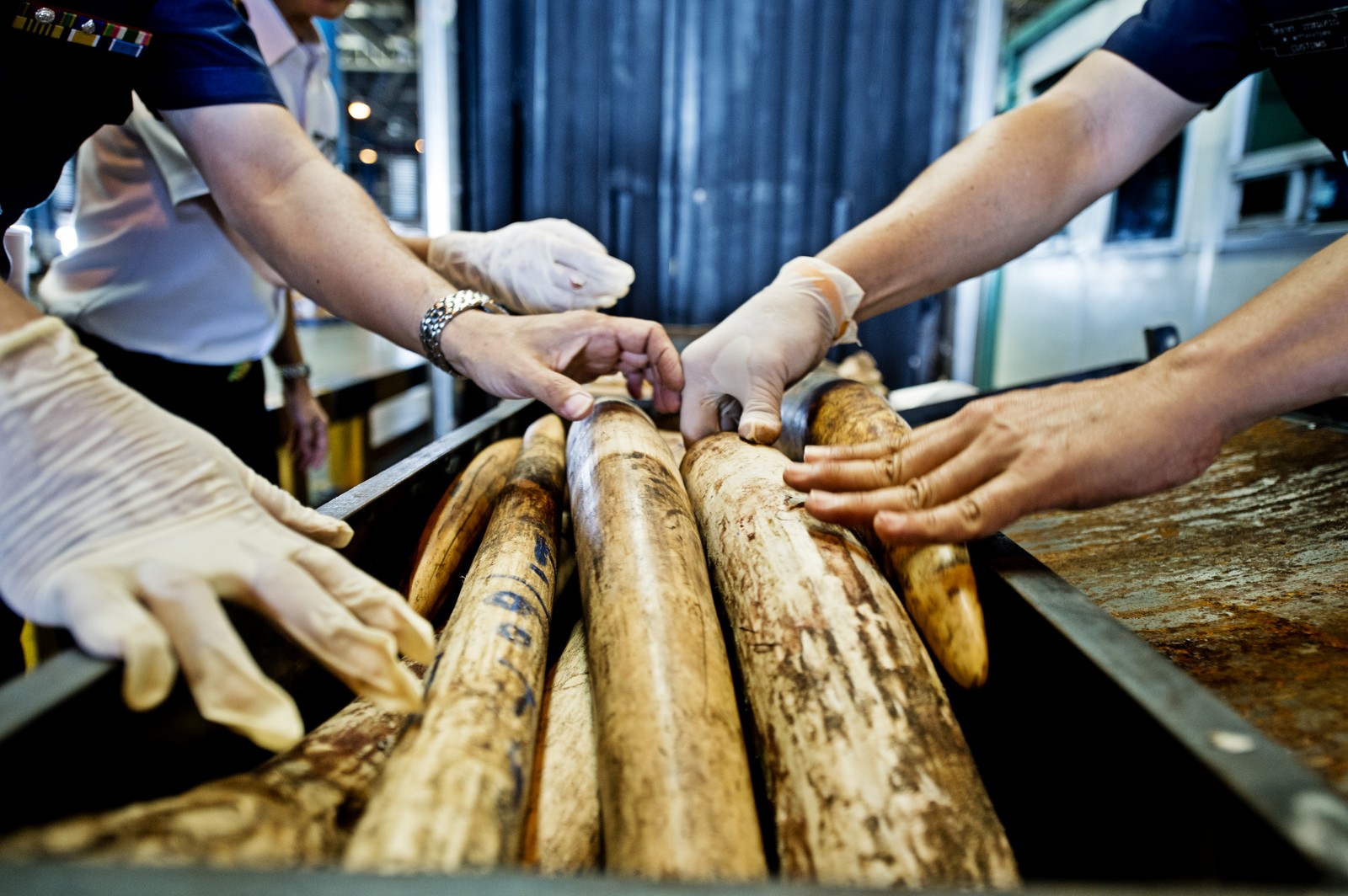
Customs officials in Thailand discover a shipment of African elephant tusks from Mozambique
Digital Transformation to Empower Wildlife Protection
WWF-Hong Kong continued to expand our technological capabilities to fight wildlife crime this year. As a member of the International Telecommunication Union’s Development Sector, WWF contributes to global digital transformations aligned with the UN Sustainable Development Goals. This year, the Asia-Pacific Counter-Illegal Wildlife Trade Hub launched an IWT Cybercrime Toolkit to foster networkwide learning and innovation in addressing online wildlife trafficking; and in collaboration with the United Nations University’s Global AI Network, we began spearheading the promotion of ‘AI for Nature’ as part of their ‘AI for Good’ mandate that references United Nations Sustainability Goals.
Partnership Power Global Action against IWT
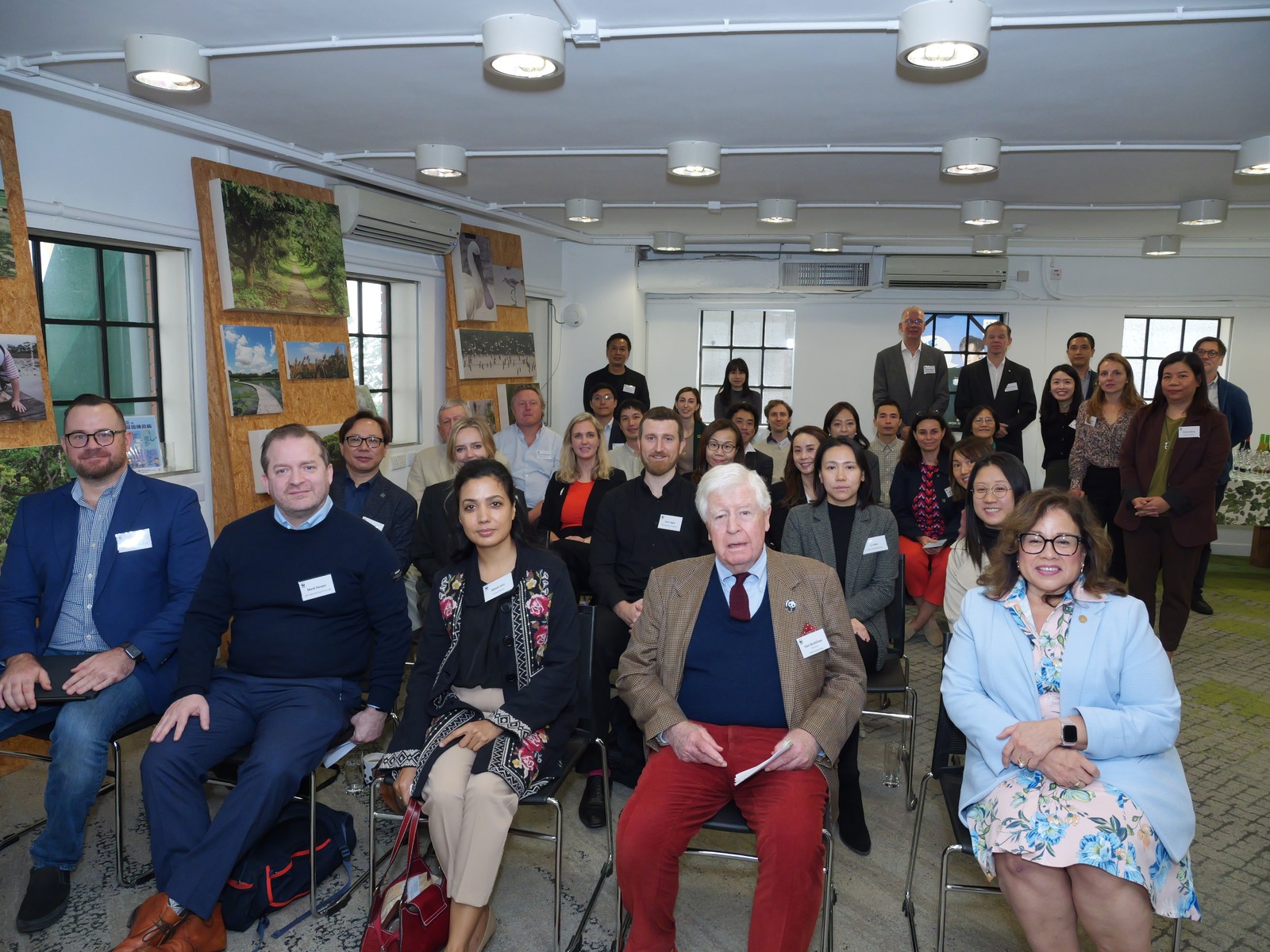
At a roundtable in Hong Kong in late 2024, WWF-Hong Kong hosted the Secretary General of CITES, and convened private sector leaders from finance, logistics, aviation, hospitality, and academia to identify technology-driven strategies to counter wildlife trafficking. The meeting underscored the importance of cross-sector partnerships for sustainable outcomes and included a visit to Mai Po Nature Reserve, highlighting our use of AI to support ecosystem restoration and species monitoring.
WWF-Hong Kong
The CITES Secretary General at the WWF-convened private sector roundtable that brought together leaders from various sectors to explore collaborative wildlife conservation solutions
Integrating Human, Animal and Environmental Wellbeing
WWF-Hong Kong believes the One Health approach is a critical framework linking human, animal and environmental wellbeing. Supporting the World Health Organization’s pandemic treaty, we co-developed regional guidance and partnered with the Southeast Asia One Health University Network to enhance research capacity and professional training across Southeast Asia. Through various communitybased initiatives, we are strengthening preventive measures to reduce zoonotic disease risks while fostering resilient ecosystems and healthy communities.
.jpeg)

_WW1169511.jpg)

.jpg)