From Code of Conduct to Marine Protected Area: WWF's Quest to Safeguard Shui Hau

WWF-Hong Kong
Our marine conservation team and citizen scientists join hands in conducting systematic horseshoe crab monitoring at Shui Hau as part of a seven-year ecological study since 2018.
Font size:
A
A
A

A sandflat of exceptional importance

WWF-Hong Kong

Shui Hau, a rare intertidal sandflat on Lantau Island's southern coast, supports more than 600 recorded species within a ridge-to-reef landscape.

Long before Hong Kong became a city, Shui Hau was already sustaining some of the planet's most ancient species. Tucked along the southern coast of Lantau Island, this rare intertidal sandflat is far more than a stretch of beach. It sits at the heart of a living landscape — one that connects forested uplands, wetlands, streams and mangroves all the way to the open sea — and is home to more than 600 recorded species. Among the most remarkable are two of the world's four surviving horseshoe crab species: the endangered Chinese Horseshoe Crab (Tachypleus tridentatus) and the Mangrove Horseshoe Crab (Carcinoscorpius rotundicauda). Shui Hau is one of the very few places in Hong Kong where both species are found . Yet despite this extraordinary ecological value, the sandflat faces growing pressure — and without formal protection, its future remains uncertain.
WWF-Hong Kong

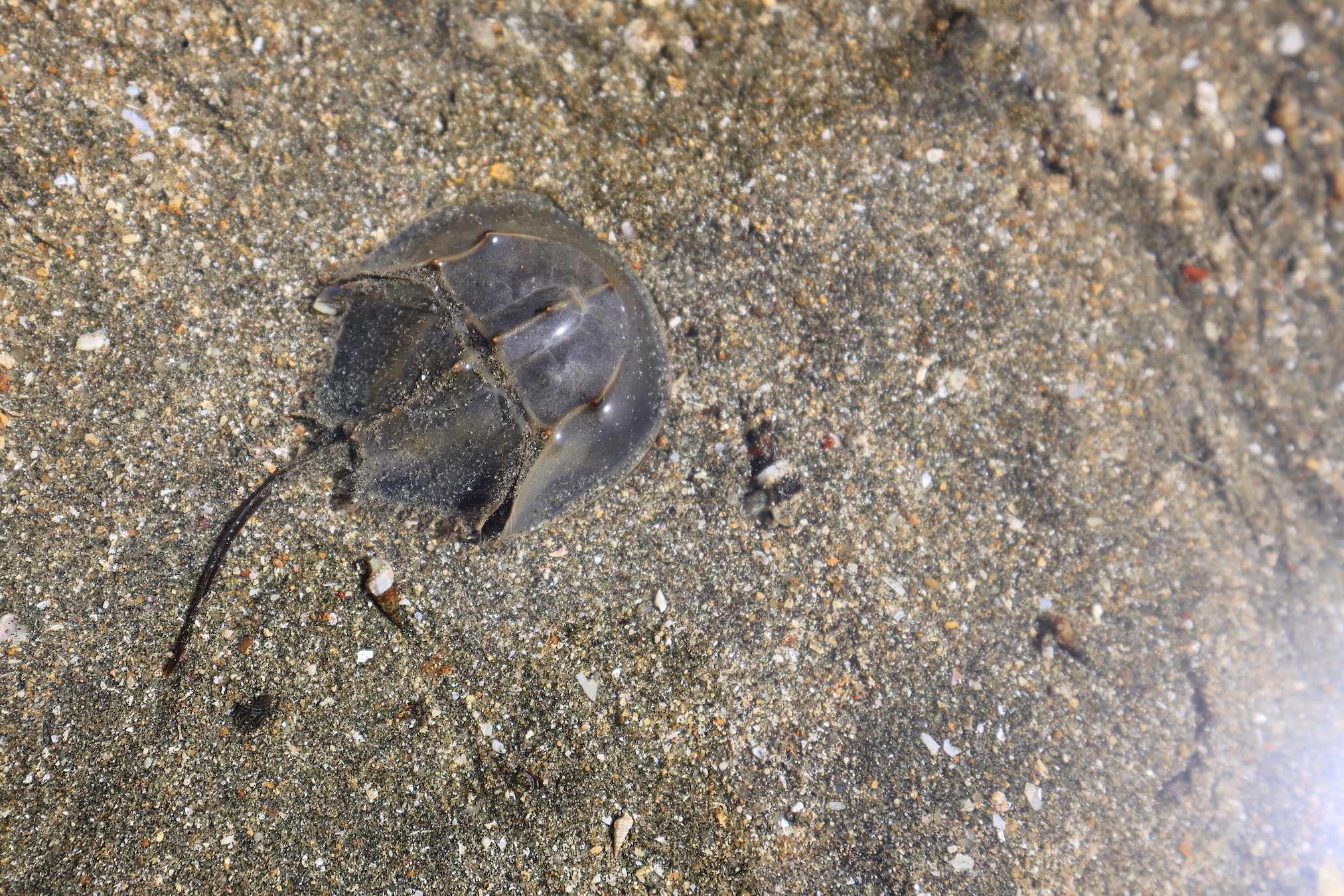
A Chinese Horseshoe Crab (Tachypleus tridentatus) recorded at Shui Hau — one of Hong Kong's few remaining nursery grounds for this endangered species.
What seven years of monitoring reveals

In 2018, WWF-Hong Kong and academic partners began what would become one of Hong Kong's most sustained horseshoe crab monitoring programmes. The results are striking. Over seven years, the team recorded more than 600 horseshoe crab sightings — over 90 per cent of which were the endangered Chinese Horseshoe Crabs, mostly juveniles. This confirms Shui Hau as a critical nursery ground for the species. What is even more revealing is where these crabs are found. Less than 6 per cent of the sandflat area accounts for over 70 per cent of all sightings — meaning this small patch of area is extremely sensitive, and even minor disturbances here could have serious consequences for the wider population.

The clam data tells an equally urgent story. Between 2018-19 and 2024-25, overall clam density at Shui Hau dropped by 58 per cent. Meretrix spp. — once the sandflat's most prized catch — declined by nearly 70 per cent, and modelling suggests the population cannot withstand any further harvesting pressure. Visitors are already experiencing this change: harvest yields have dropped by 32 per cent, and people are spending longer hours on the sandflat for fewer and fewer clams.

Hong Kong's first code of conduct and clam gauge

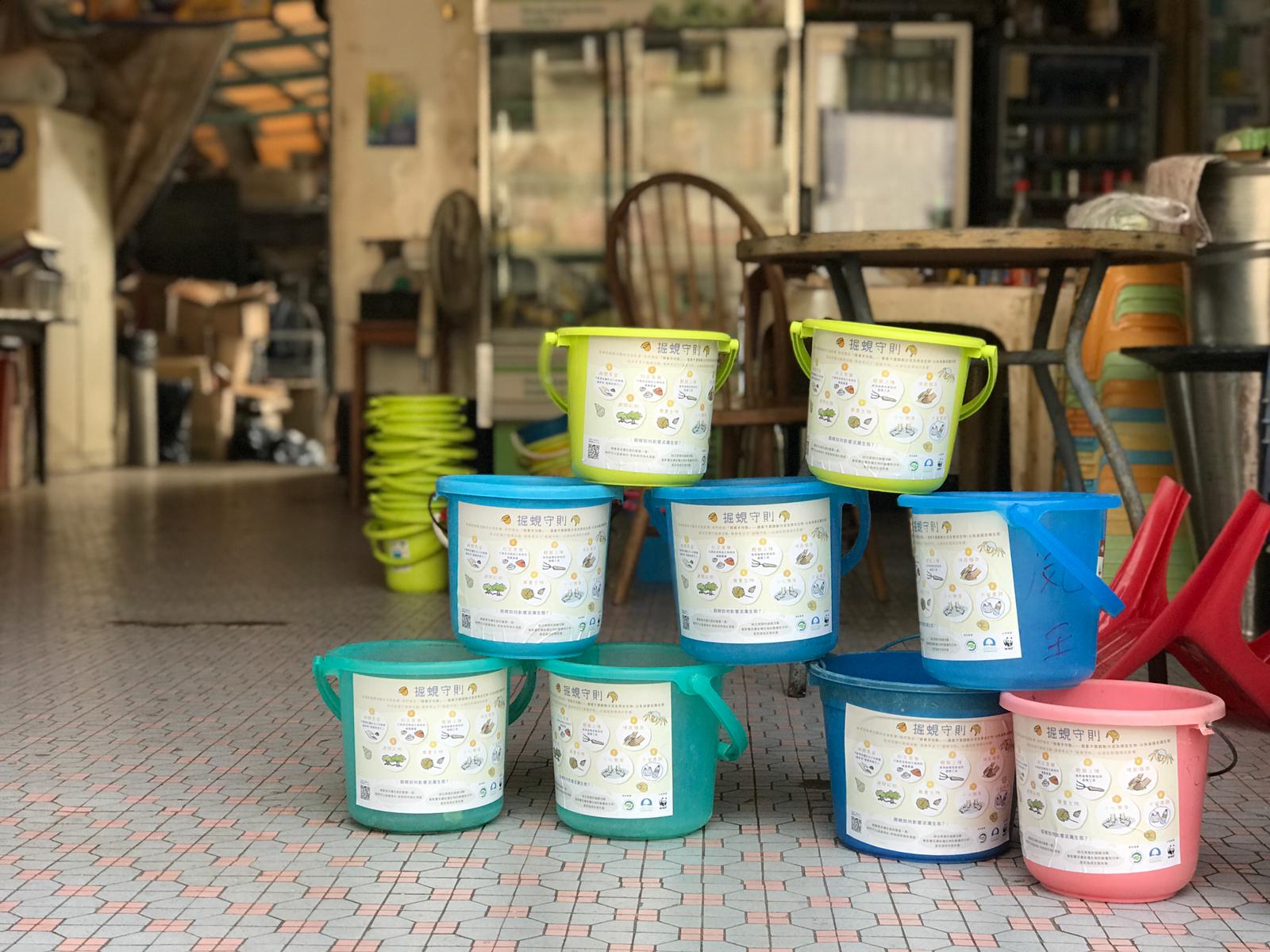
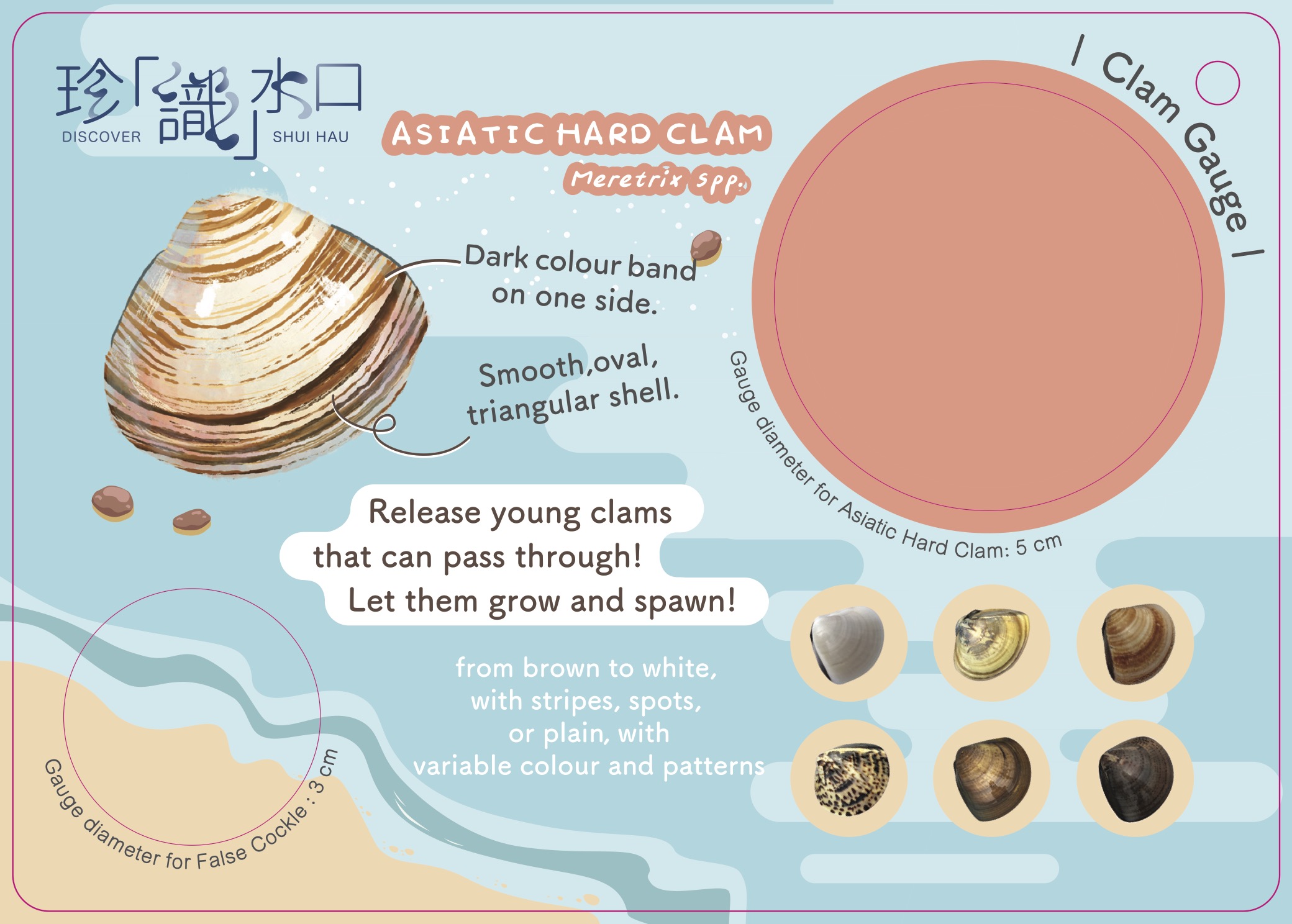
Translating field data into practical conservation action, WWF-Hong Kong introduced the city's first Code of Conduct and clam gauge for recreational clam digging in 2019 — providing visitors with clear, science-based guidance on environmentally responsible harvesting. The clam gauge was developed from field measurements of more than 13,000 clams, making it possible to identify undersized individuals that are vital for population recovery — and helping protect over 50 per cent of the common clam population from premature harvesting. Working alongside local villagers and conservation partners, WWF also ran guided eco-visits and public awareness activities, reaching around 6,000 visitors — 97 per cent of whom said they left with a better understanding of the sandflat's ecology. In addition, WWF deployed a smart IoT monitoring system across the sandflat, tracking visitor movement in relation to horseshoe crab hotspots and generating over 7,000 spatial data points to inform future management.

WWF-Hong Kong

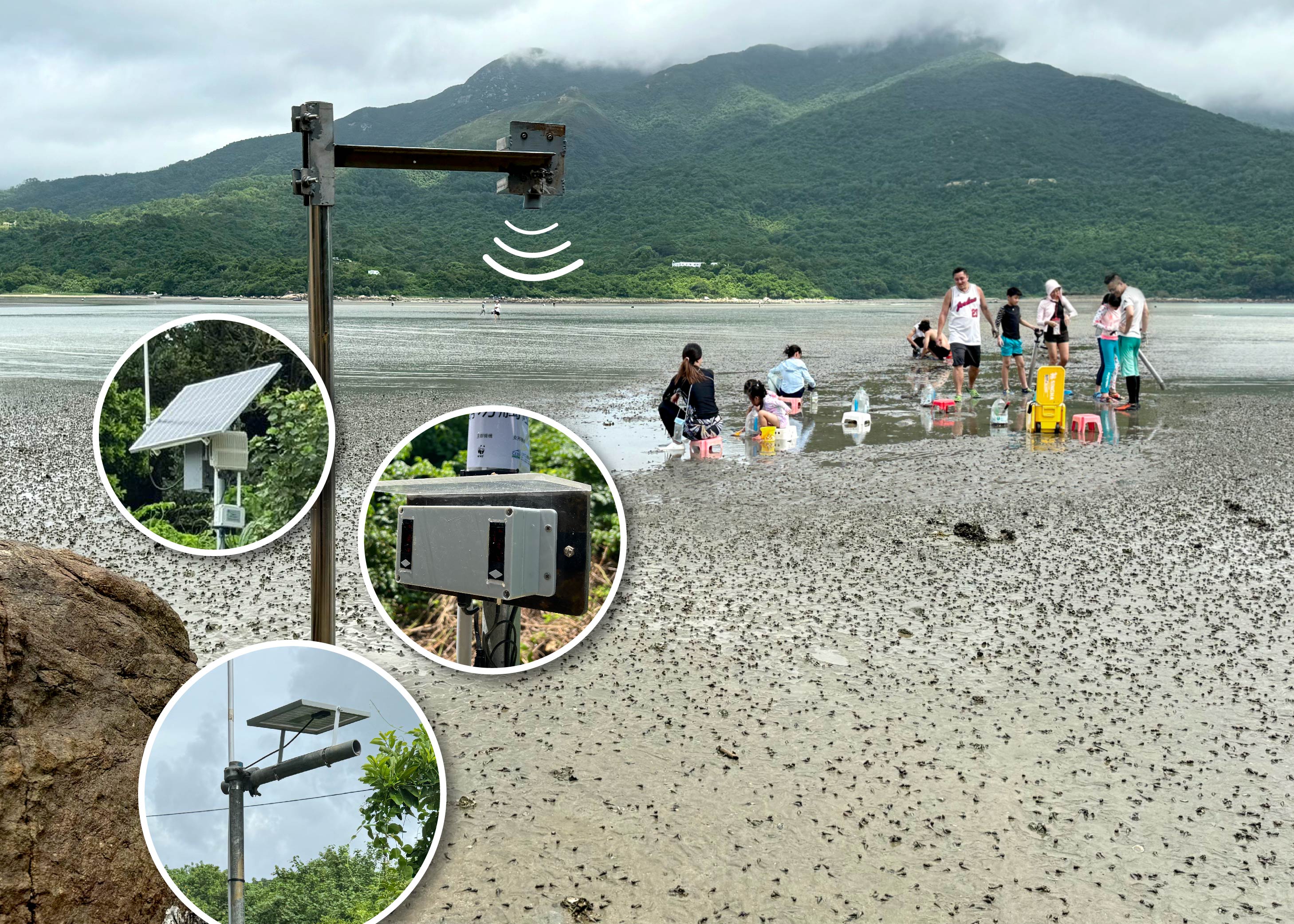
As part of the "Smart Shui Hau" initiative, WWF-Hong Kong deployed water-level sensors, visitor counters and badge trackers across the sandflat to collect real-time data on tidal changes and visitor activity patterns.

The outcomes have been encouraging in some ways. Visitor behaviour has improved, recent data suggests an increasing tendency to collect larger, more mature clams — indicating that conservation messaging is taking effect. But here is the hard truth: even with all of this, the sandflat's ecological indicators continue to decline. Education can change behaviour, but it cannot replace the power of enforceable legal protection.

WWF-Hong Kong

WWF-Hong Kong's clam gauge — developed from field measurements of more than 13,000 clams to promote responsible harvesting at Shui Hau.

Why Shui Hau deserves Marine Protected Area status

Shui Hau is not an unknown site. A number of ecological research studies and public education programmes have been taken place here in recent years, and some terrestrial areas are zoned under planning measures away from development. Yet today, the intertidal sandflat still falls outside every statutory area-based protection in Hong Kong. With Hong Kong's Biodiversity Strategy and Action Plan (BSAP) now setting clear targets for 2035, the opportunity — and the obligation and urgency — to act is becoming crystal clear.

WWF's recommendations are grounded in seven years of evidence and centre on four practical priorities. Protect the most sensitive areas first: a science-based zoning strategy would shield key horseshoe crab nursery habitats and important shorebird zones, while still allowing managed public access in the outer areas of the sandflat. Second, manage visitor numbers: seasonal and daily limits during peak ecological periods would ease cumulative pressure on the sandflat. Third, promote responsible harvesting: minimum size limits and seasonal controls would give vulnerable populations the breathing room they need to recover. And phase out harmful tools: replacing high-impact harvesting equipment with low-impact alternatives would significantly reduce sediment damage and impacts on non-target species. Together, these measures would place Shui Hau firmly on track towards achieving Hong Kong's BSAP 2035 goals for area-based conservation and Nature Positive outcomes.

The quest continues

WWF will continue to work with government departments, academic partners, local communities and visitors to turn this evidence into real, statutory protection for Shui Hau. Protecting this sandflat means safeguarding an entire living landscape — and making good on Hong Kong's own promises to nature. The science is clear. The society is reaching consensus on better management for eco-tourism. Now it is time for policy to follow.

WWF-Hong Kong
WWF-Hong Kong
WWF-Hong Kong
WWF-Hong Kong

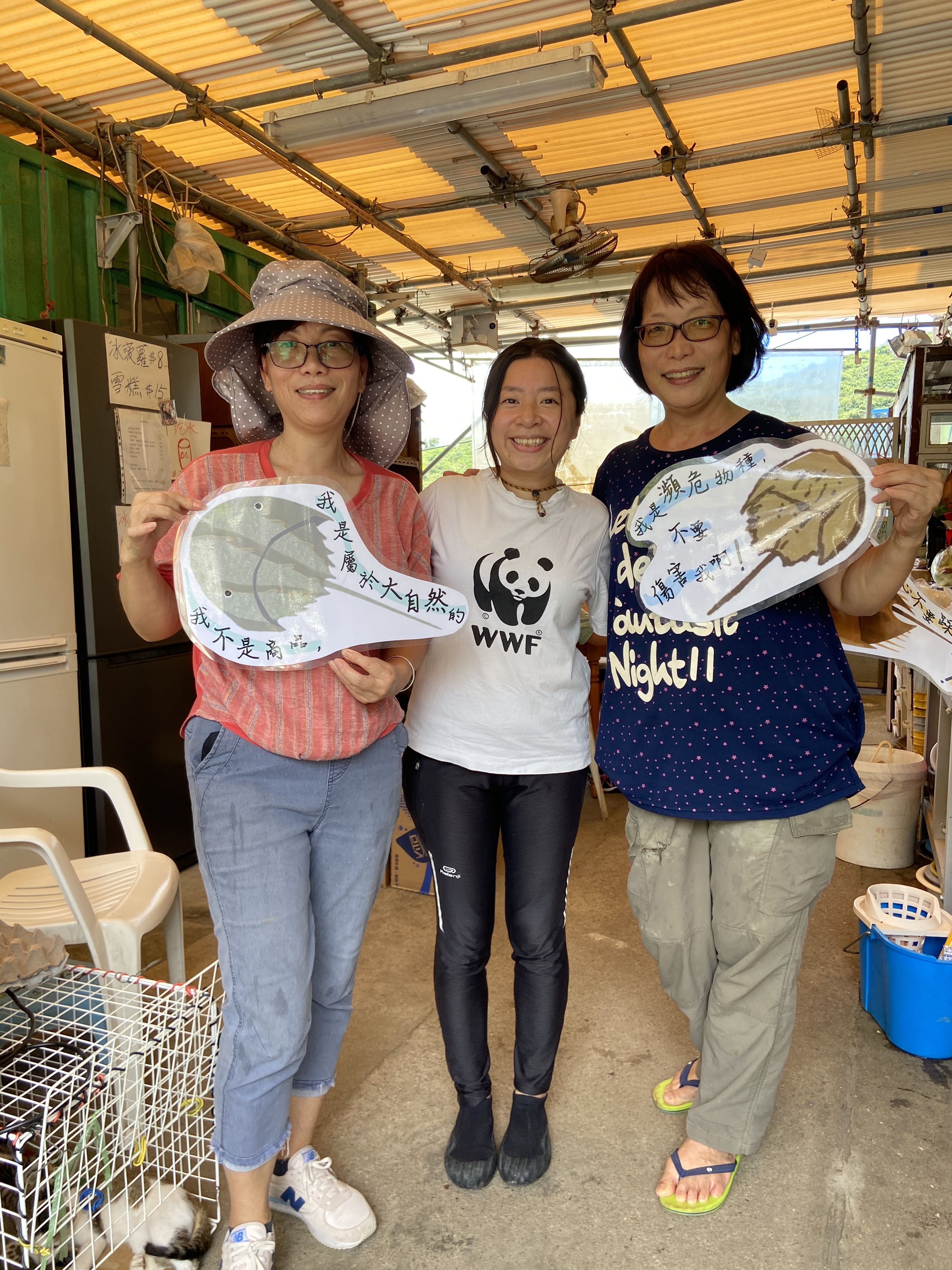
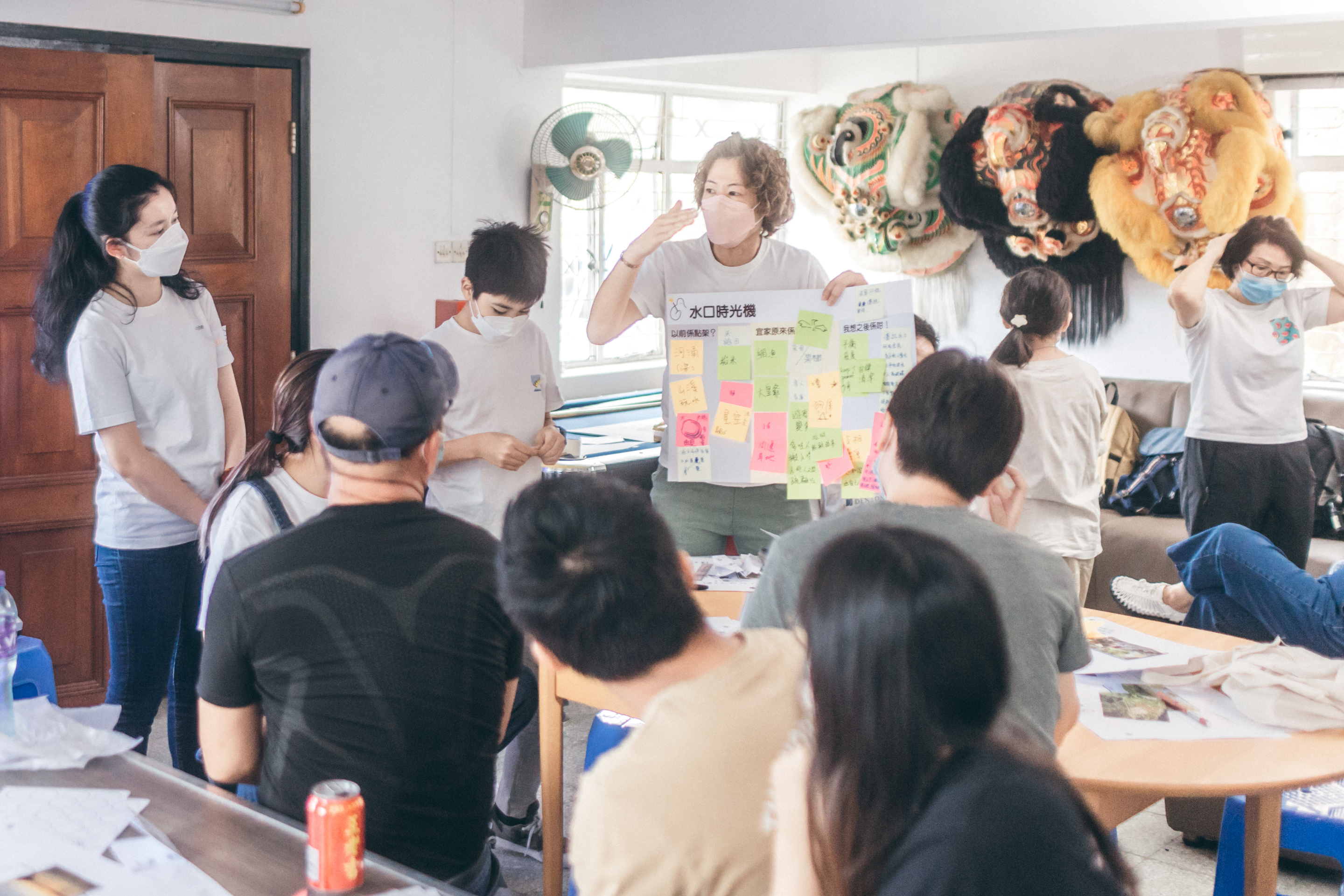
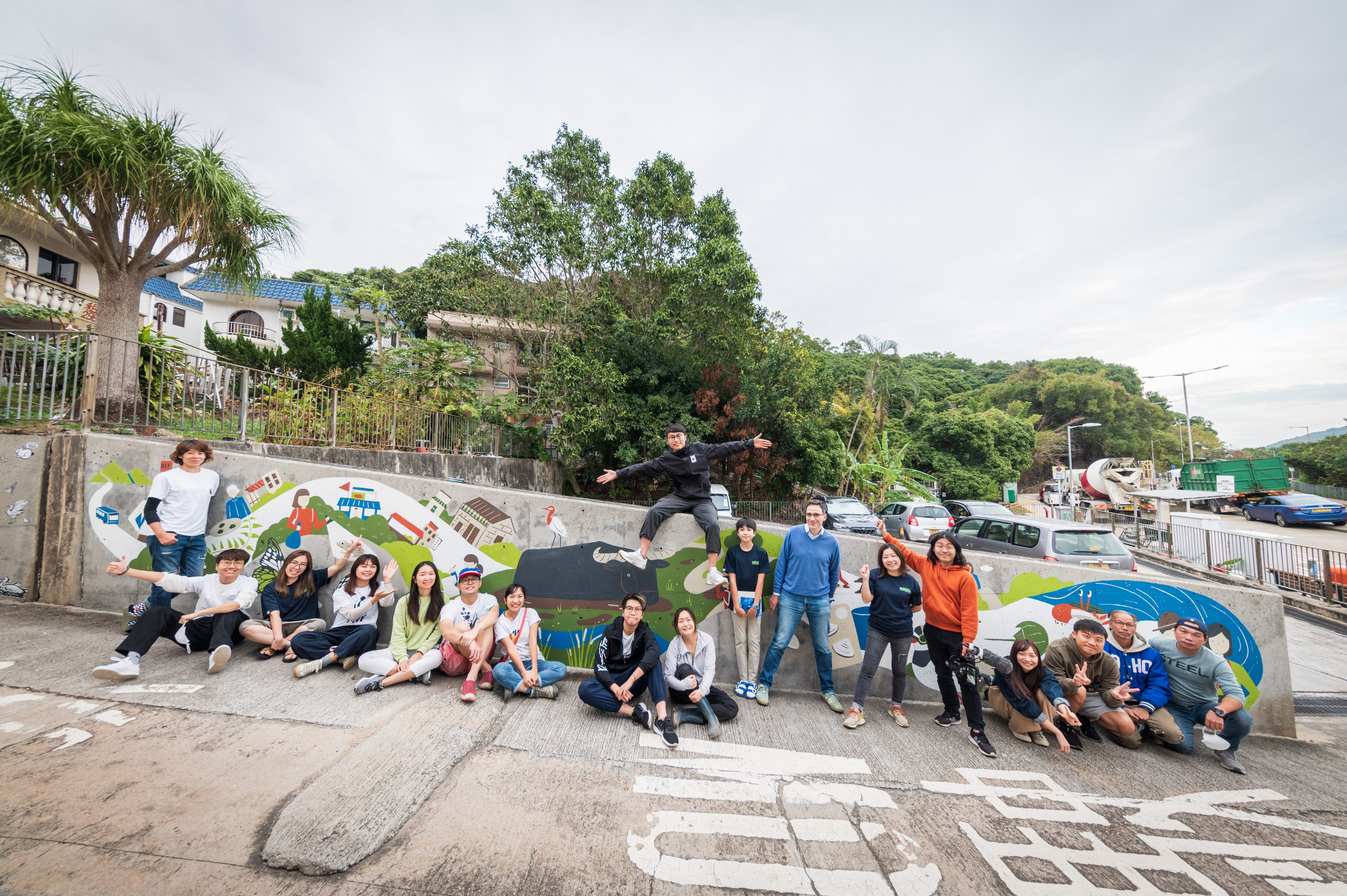
From co-visioning workshops and community murals to local partnerships and science-based clam gauges, WWF-Hong Kong lines up residents to take an active role in protecting one of Hong Kong's most irreplaceable coastal ecosystems.

Share this page