.jpeg)

Since early summer, a group of secondary school and university students have been swapping classrooms for the coastline. Some have spent hours at Hoi Ha Wan piecing together underwater surveys, diving gear in hand and clipboards ready. Others have set up booths on Sharp Island, chatting with curious visitors about coral ecology and how small daily habits can make a difference to the ocean. They are participants in Bravo Ocean: Youth Action Project, WWF-Hong Kong's marine education programme. As part of a wider environmental education initiative involving six WWF offices across the Asia-Pacific region, the project provides young people with diverse learning and experiential opportunities to explore sustainability issues. Among the participating offices, WWF-Hong Kong is unique in focusing exclusively on marine conservation, helping youth develop a deeper understanding of marine ecosystems and encouraging them to contribute to conservation efforts.
The programme splits into two teams, each tackling a different piece of the ocean health puzzle. Team Fish focuses on coastal ecology and sustainable fisheries, while Team Coral, cheered on by a Youth Team of university students, gets hands-on with coral biodiversity, including using artificial intelligence (AI) to monitor coral health.
Between them, the teams aim to bring 80 to 100 young people on board, drawn from partner secondary schools (aged 15 to 18) and tertiary institutions (aged 19 to 24), recruited through WWF-Hong Kong's existing school networks. As of June 2026, 85 students and 13 teachers have joined, spread across five schools for Team Fish and four schools with diving teams for Team Coral, plus a group of undergraduates lending a hand with coral monitoring and conservation works.
For many, this is their first taste of real marine conservation fieldwork, and the novelty of it all keeps them coming back for more. Team Coral's journey starts at Hoi Ha Marine Life Centre, where experts walk students through the coral nursery tanks and the basics of coral ecology, before introducing them to AI-powered marine technology. Students then get their hands on an underwater drone, gathering and analysing live coral bed data, before strapping on scuba gear under professional instruction. Near Hoi Ha Wan's coral areas, they work in pairs along survey transects, logging coral coverage and seabed conditions. This fieldwork is guided by Professor Sai-Kit Yeung of the Hong Kong University of Science and Technology and his research team, alongside Coral Academy, The School of Life Sciences at the Chinese University of Hong Kong. Many students come away surprised, and genuinely curious, at just how much marine life turns up in such a small stretch of coral community.
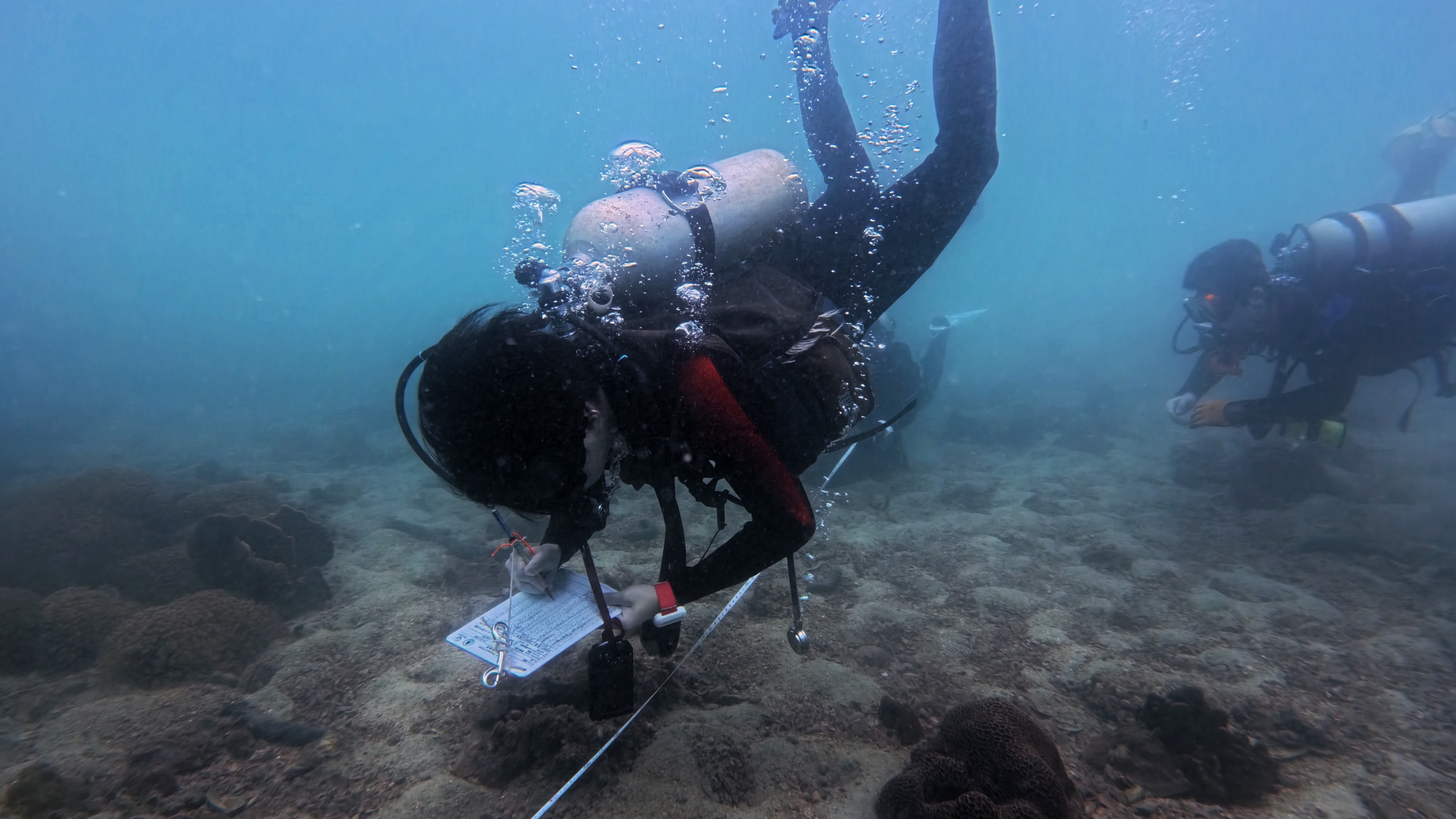
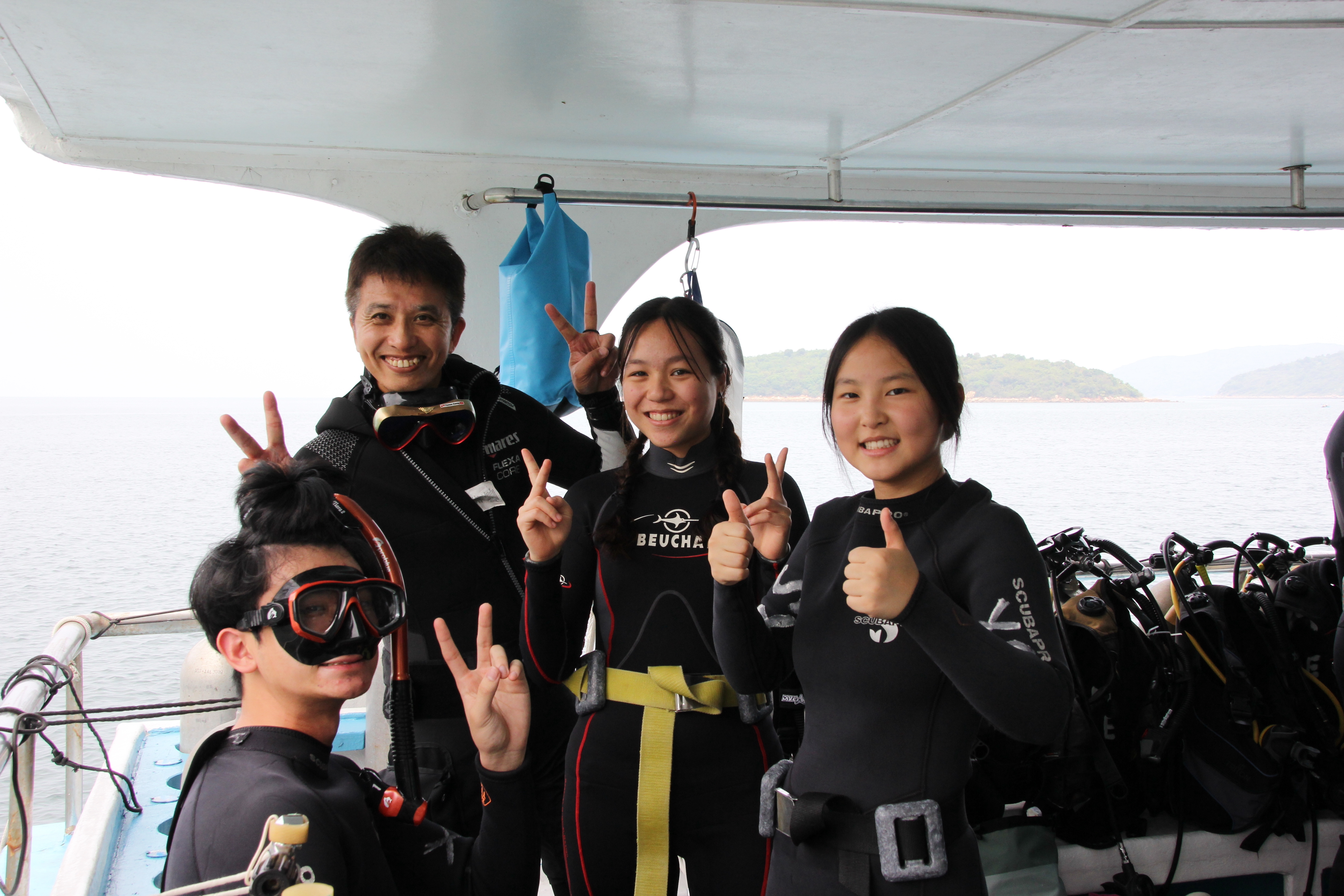
Team Coral students conduct an underwater ecological survey at Hoi Ha Wan, recording coral coverage, photographing coral communities and their resident fish, and measuring coral colony sizes to assess the site's coral health and biodiversity.
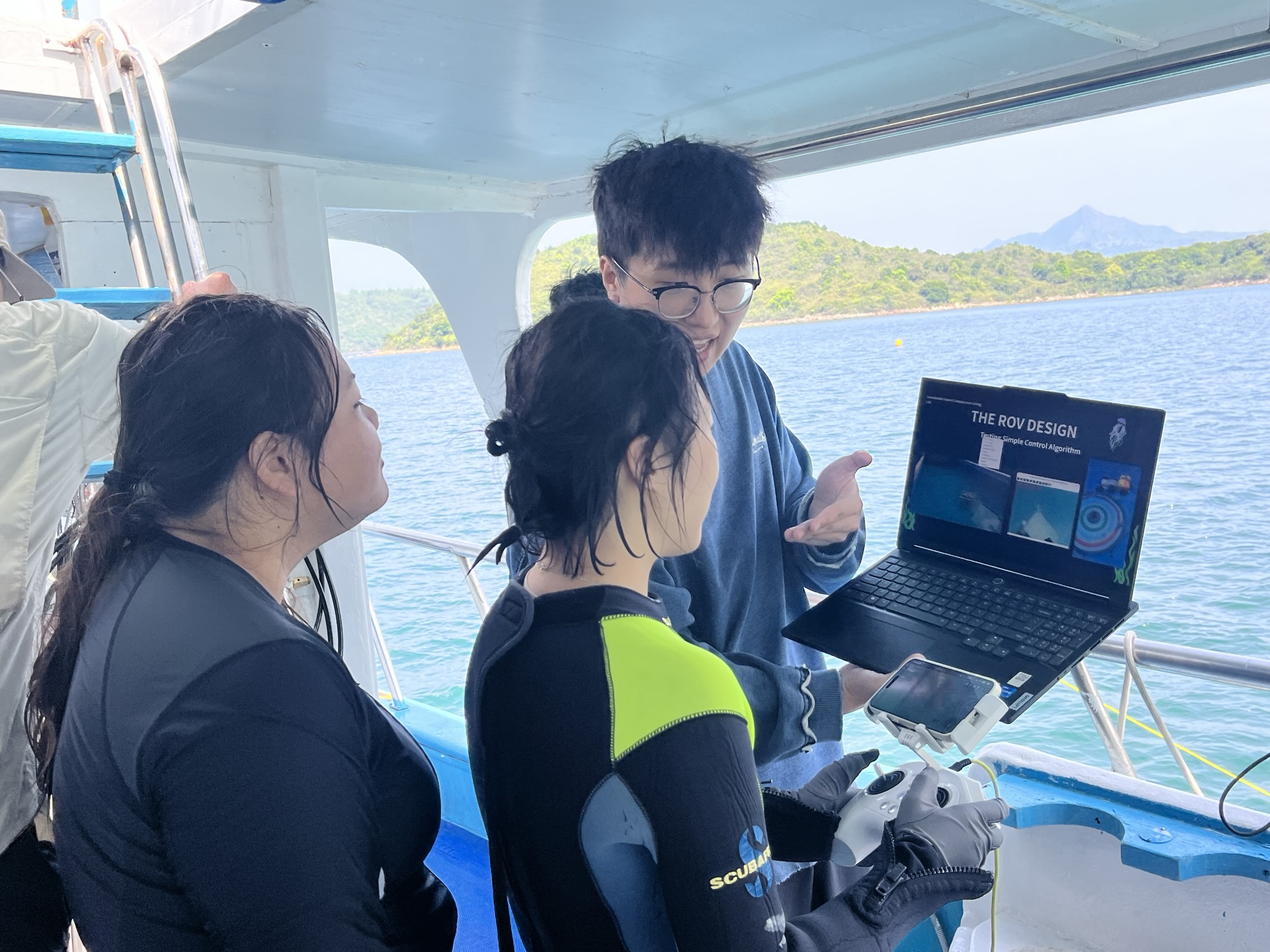
Team Coral participants learn how to operate an underwater drone at Hoi Ha Marine Life Centre, gathering real-time coral bed data to support AI-assisted monitoring.
Team Fish's path looks different but is just as hands-on. A field trip to Nai Chung, near Tolo Harbour, introduces students to the ecology beneath the tideline, while a visit to a local sustainable fish farm puts them right in the middle of aquaculture in action, with many stepping onto a fish raft for the very first time. Through this experience, students get to see how conservation science plays into the daily work of local fishing communities, deepening their understanding of why sustainable fisheries matter to ocean conservation.
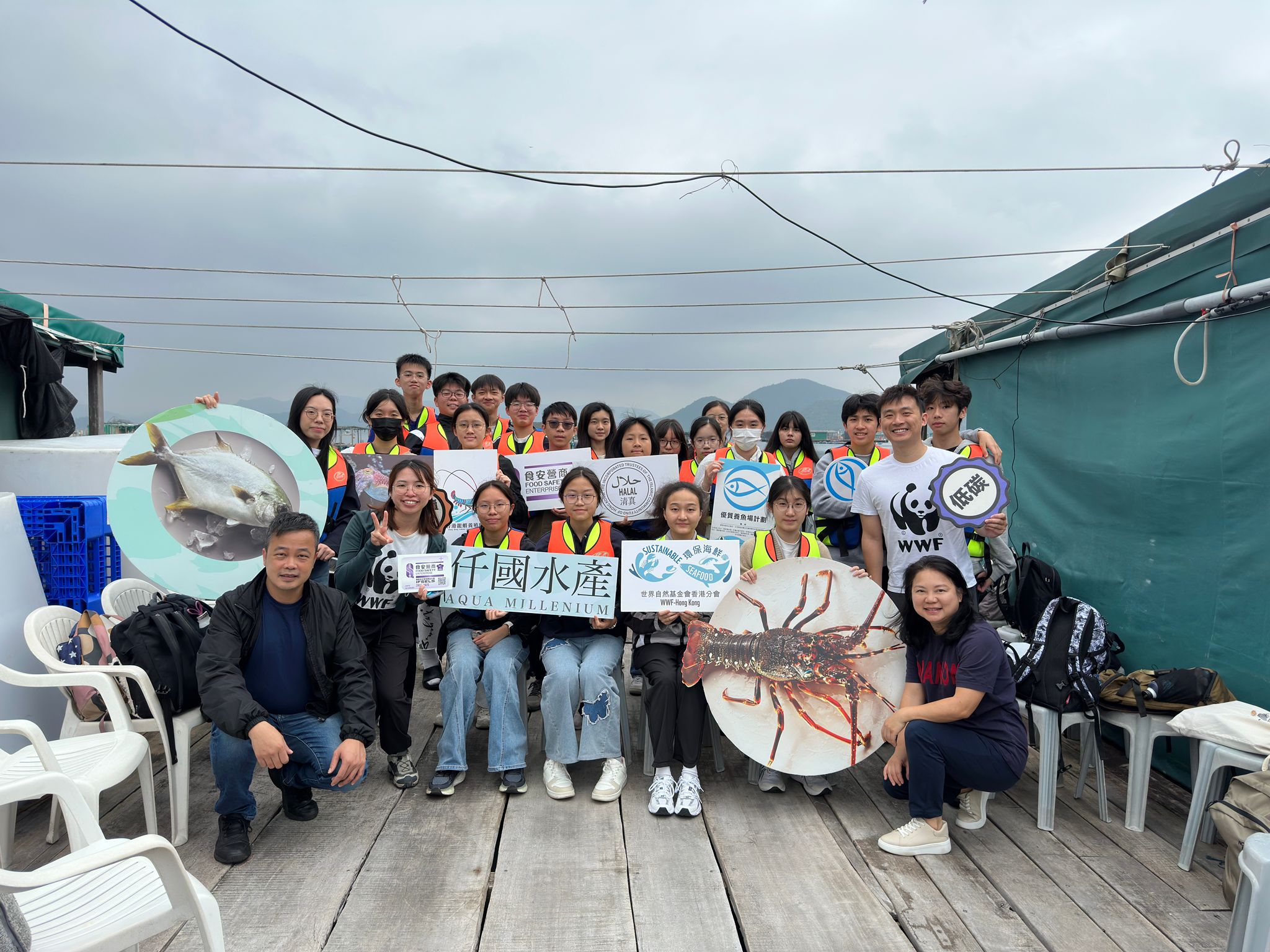
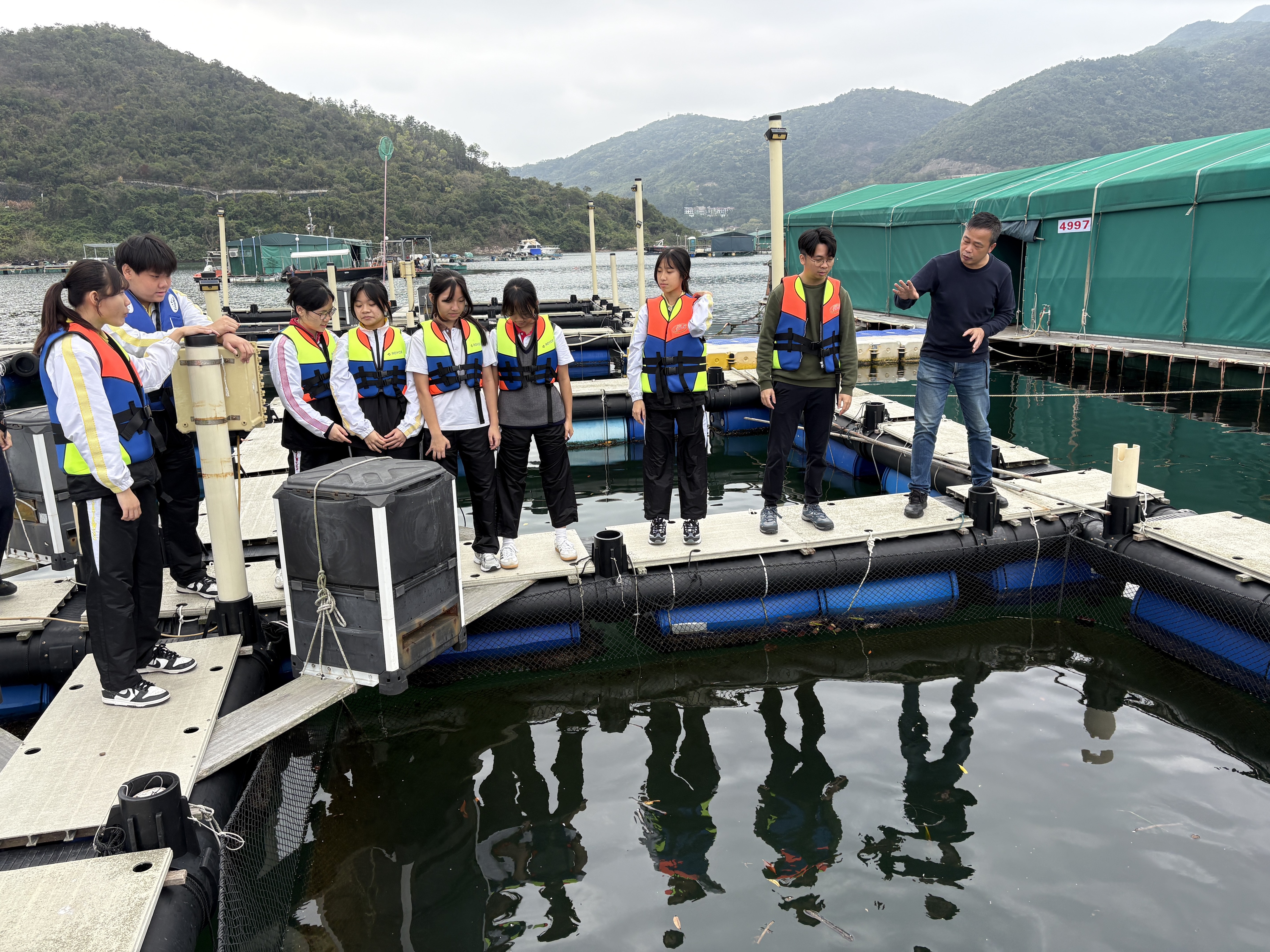
Team Fish students visit a local sustainable fish farm near Tolo Harbour to learn about aquaculture operations and sustainable fishery, many stepping onto a fish raft for the first time.
Behind both teams, WWF staff and marine conservation experts stay close throughout, running debriefing workshops that help students make sense of what they've seen and connect it to a bigger, more forward-looking vision for conservation.
Fieldwork is just the beginning. Once their workshops wrap up, students head back to school to turn what they've learned into projects of their own, designing activities that spread the message of marine conservation among their peers. Some have taken it further, setting up outreach booths on Sharp Island to introduce coral ecology to passers-by and encourage more ocean-friendly habits. Along the way, the project management and community engagement skills students pick up go well beyond marine science itself. WWF-Hong Kong expects around a dozen such youth-led projects to take shape by the programme's end.
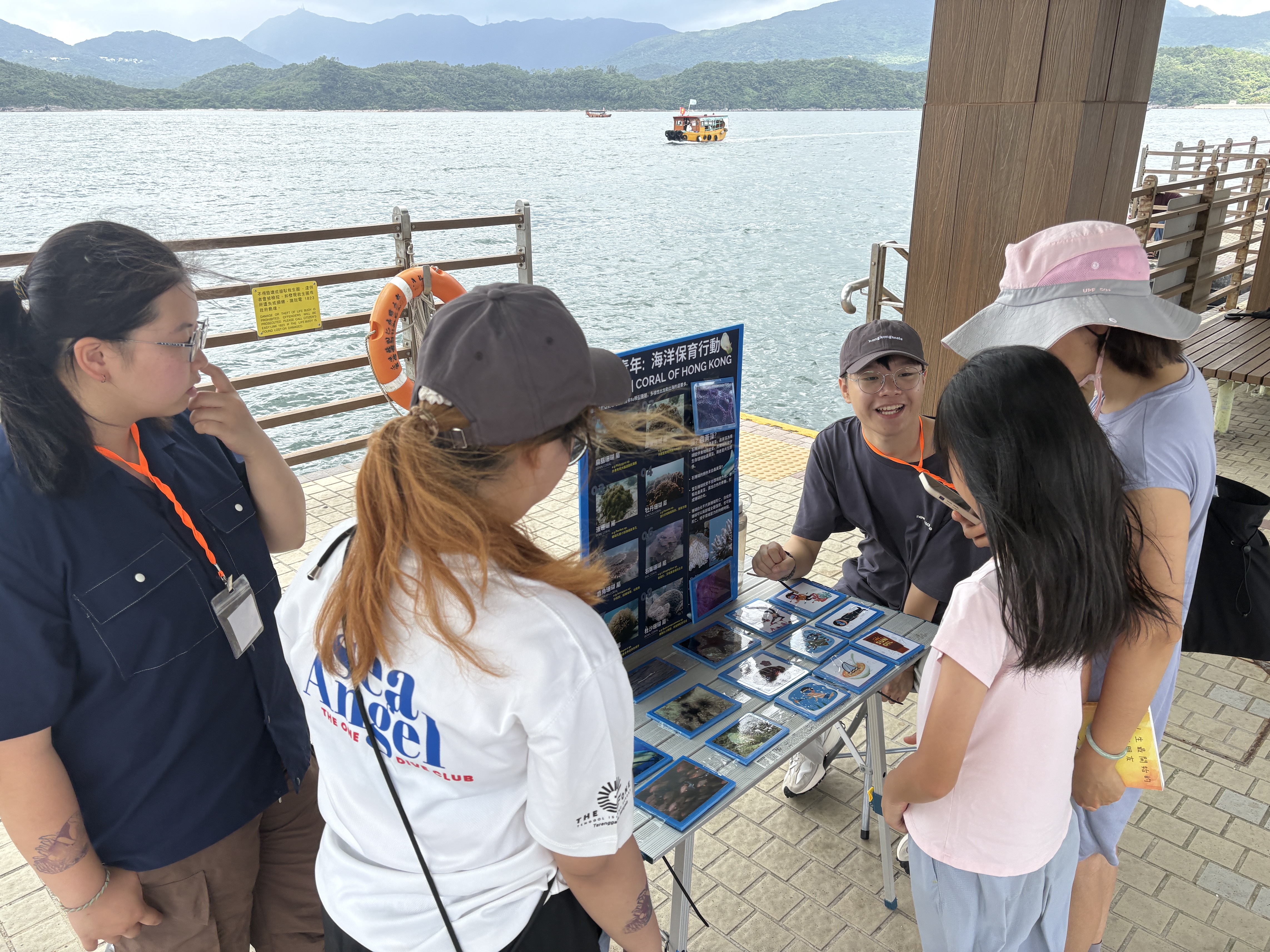
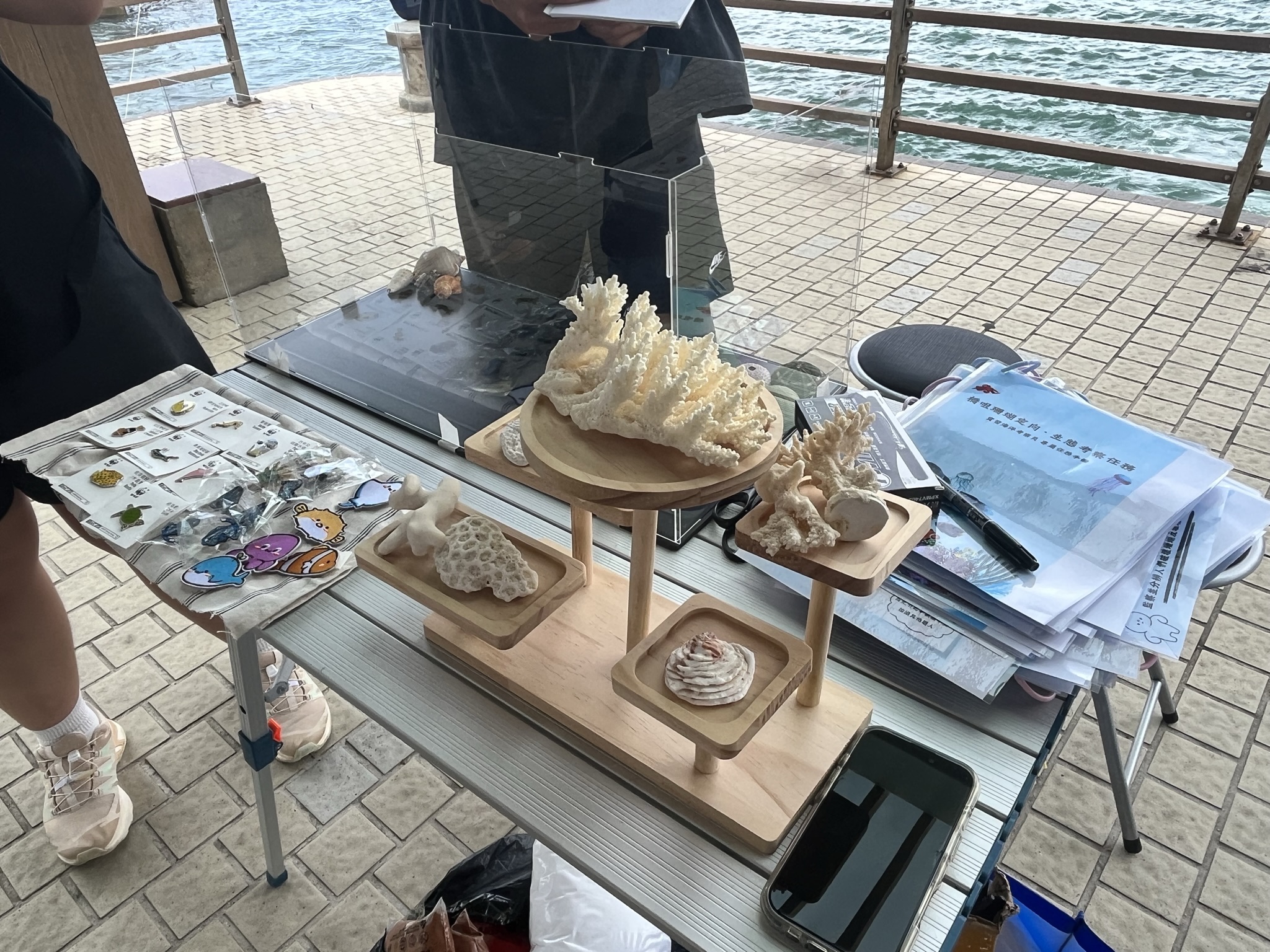
Youth participants run a public engagement booth on Sharp Island, sharing coral ecology knowledge and ocean-friendly tips with visitors.
This isn't the first time WWF-Hong Kong has been empowering young people to drive conservation forward: similar approaches have shaped its education work since 2015. Bravo Ocean - Youth Action Project builds on that foundation, weaving marine science, technology, community collaboration and public outreach into one continuous learning journey.
Everything comes together at a school showcase, where students show what they've built, from survey data to outreach booths, to their peers, teachers and communities. WWF-Hong Kong will keep tracking how participants' marine conservation knowledge and skills grow through pre- and post-programme assessments as the project runs through August 2026.
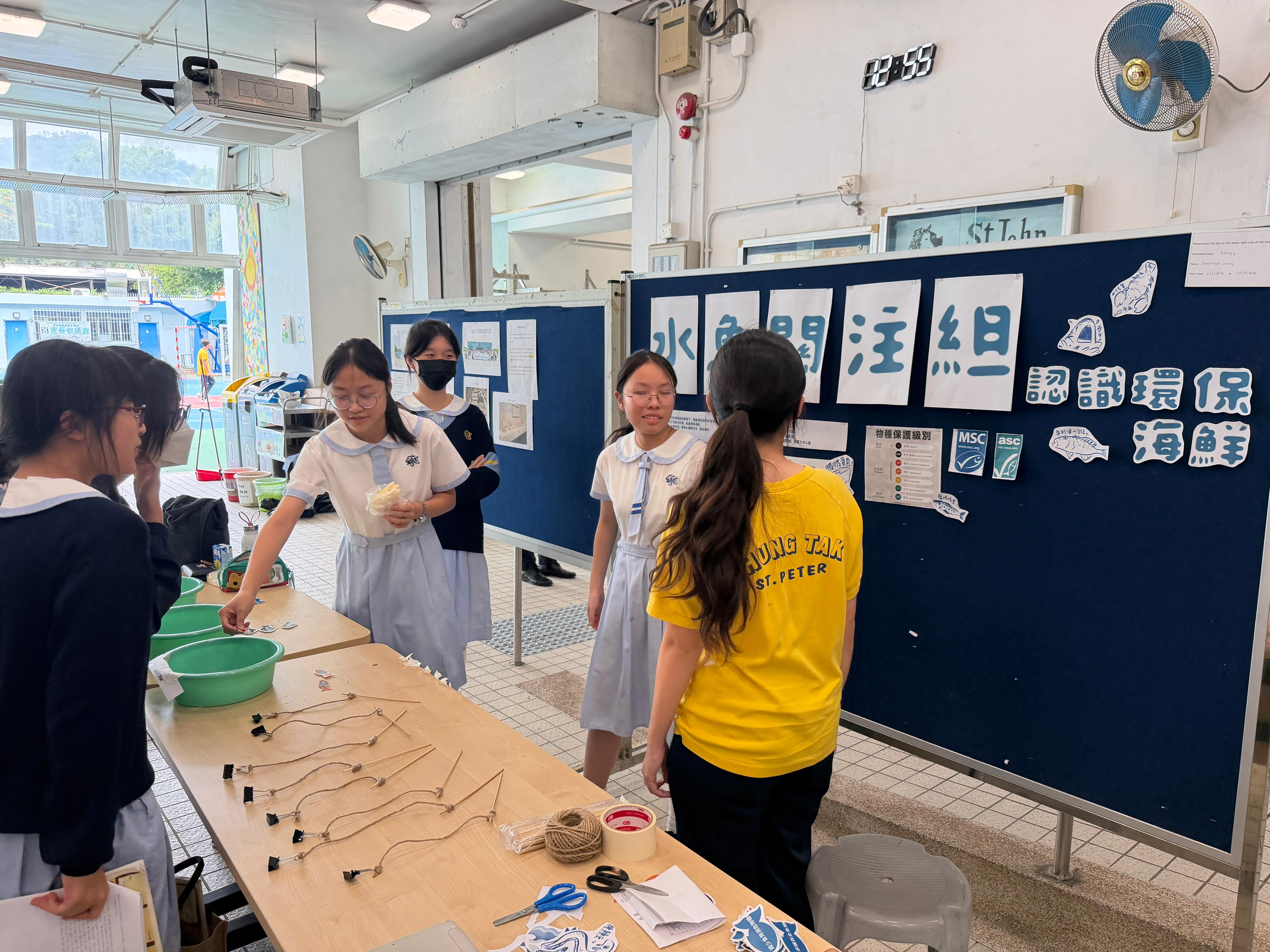
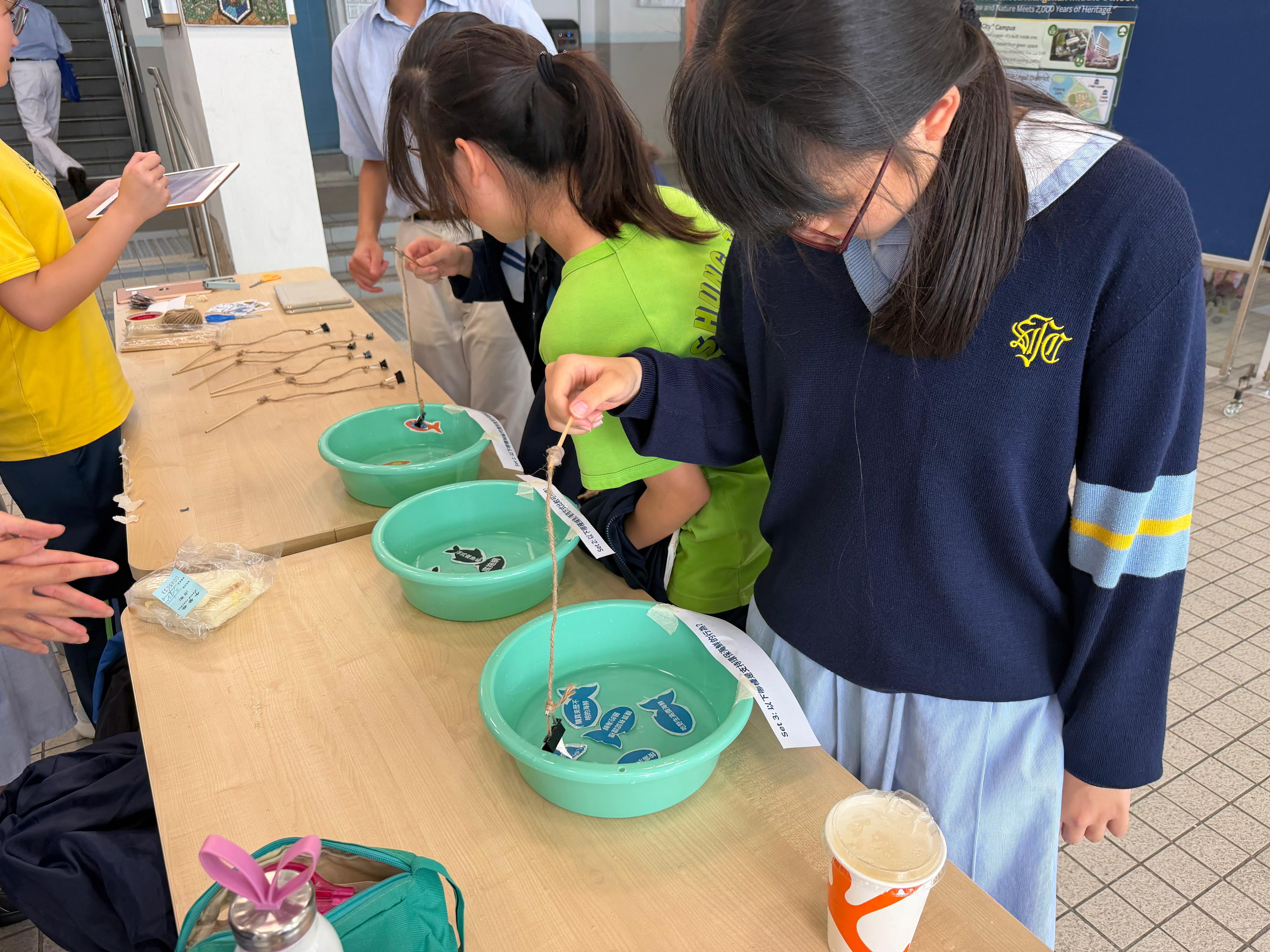
Participants present their learnings about sustainable seafood at a school showcase, sharing what they've learned with their schoolmates and teachers through information panels and interactive games.
From simulated ecological surveys beneath the waters of Hoi Ha Wan to conversations at the outreach booth on Sharp Island, Bravo Ocean – Youth Action Project has given students first-hand experience of what conservation work really looks like, sparking curiosity about marine ecology and building the confidence to step into their communities and share what they've learned. That curiosity and drive to act are exactly the kind of force that keeps pushing marine conservation in Hong Kong forward. This programme may be drawing to a close, but more environmental education projects are already on the way. Schools, educators and members of the public keen to get involved are encouraged to keep an eye on WWF-Hong Kong's education programmes for what comes next.
.jpg)