.jpeg)

Tolo Harbour and Channel is one of WWF's five priority sites for enhanced area-based marine conservation in Hong Kong. Beneath its calm surface, however, the seascape is changing fast. Since August 2025, WWF-Hong Kong has been running the Embracing Our Tolo project, funded by the Marine Ecology Enhancement Fund, in partnership with the Island Studies Network (HK) and The Swire Institute of Marine Science, The University of Hong Kong (HKU). Together, the teams are piecing together the fishery's health, character and cultural landscape, laying the groundwork for future conservation. Their first findings are now on show in a free exhibition at Island House, Tai Po.
Tolo Harbour is home not only to local fishers, but also to aquaculture farmers, diving instructors and others whose lives are entwined with these waters, each carrying their own story of life by the sea, together revealing the enduring bond between people and this waterway. Their stories, gathered by the Island Studies Network (HK), sit alongside the exhibition's scientific findings. Readers curious about these voices before visiting can revisit our previous About Life interview feature on the project (link here).
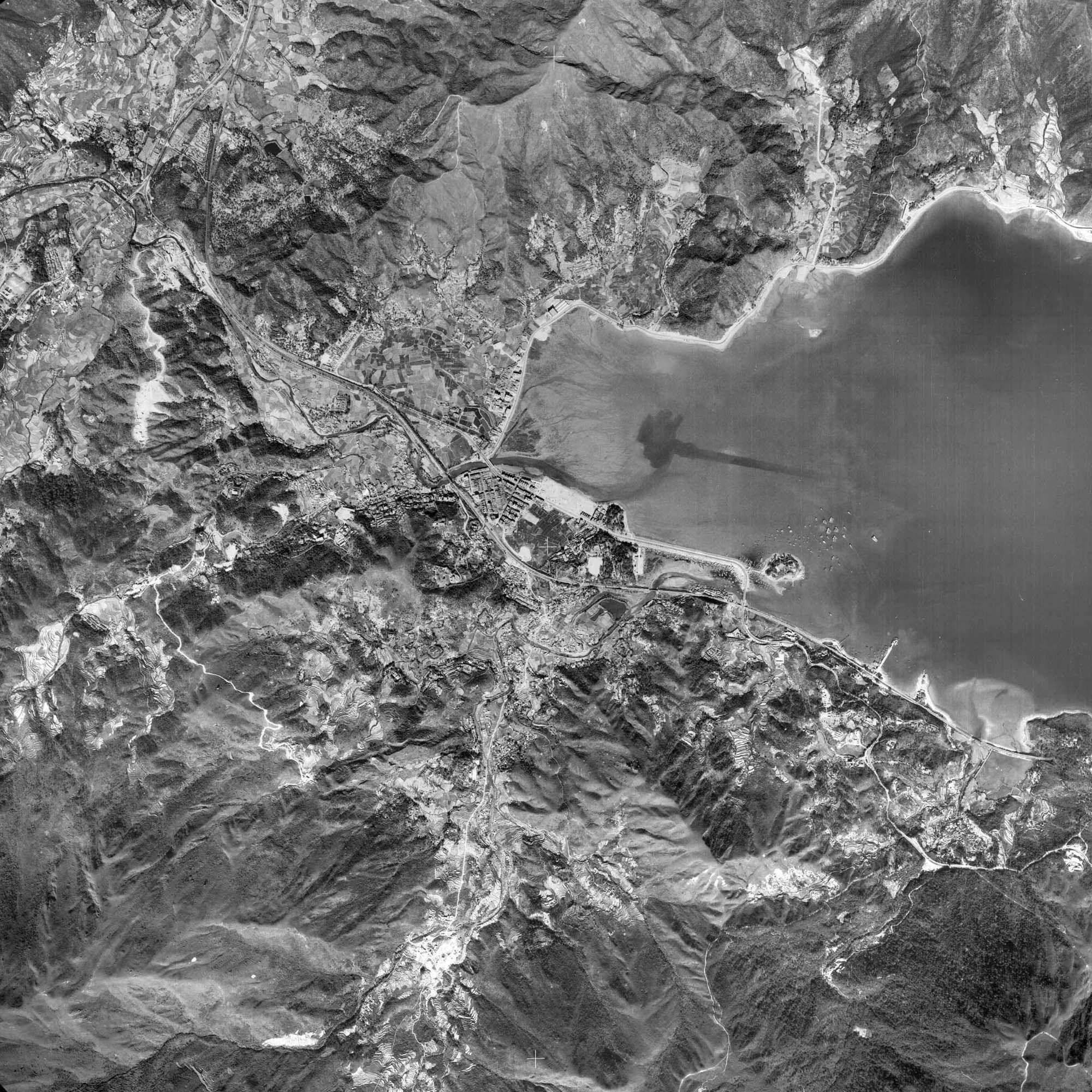
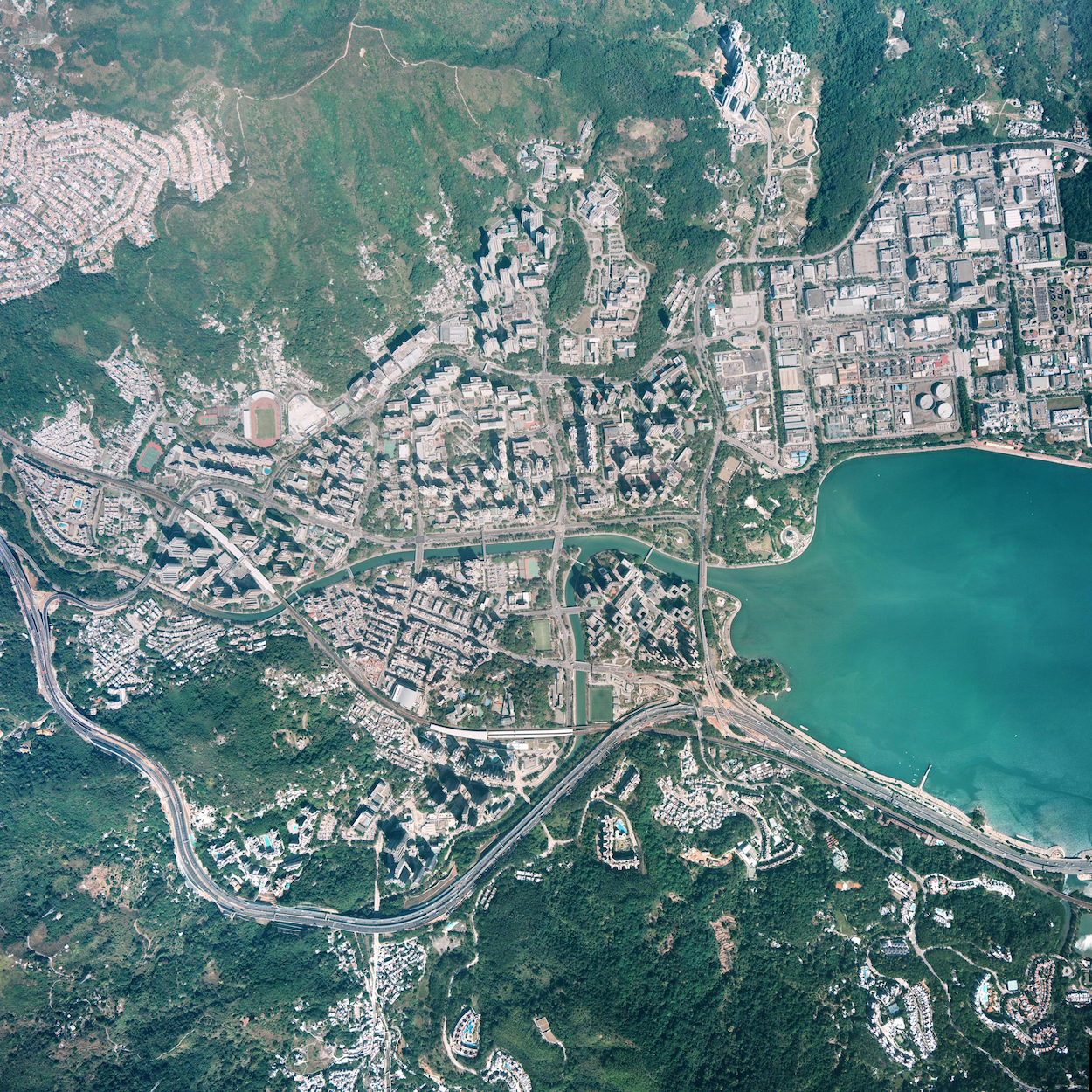
Aerial photographs of Tai Po and Tolo Harbour from 1964 (left) and 2014 (right) show the dramatic transformation of this seascape over five decades, as land reclamation and urban development reshaped its coastline and landscape.
%20.jpg)
The coastline of Yuen Chau Tsai was once an important Hoklo fisher settlement. Hoklo houseboats can still be seen in the aerial view of Island House on Tolo Harbour in 1976, before they were resettled in public housing estates in Tai Po while urban development reshaped much of the harbour's natural shoreline.
Below the waterline, researchers have applied a new diagnostic approach to read the genetic health of the harbour's fish. Genetic diversity works like a species' toolbox for adapting to change. The team assessed ten commonly caught commercial species, and eight of the nine species assessed besides the Blackhead Seabream (Acanthopagrus schlegelii) already show high genetic risk. Measured by body size alone, the Blackhead Seabream appears robust, yet its genetic data tells a very different story. What risks are these species facing? We invite visitors to find out for themselves at the exhibition.
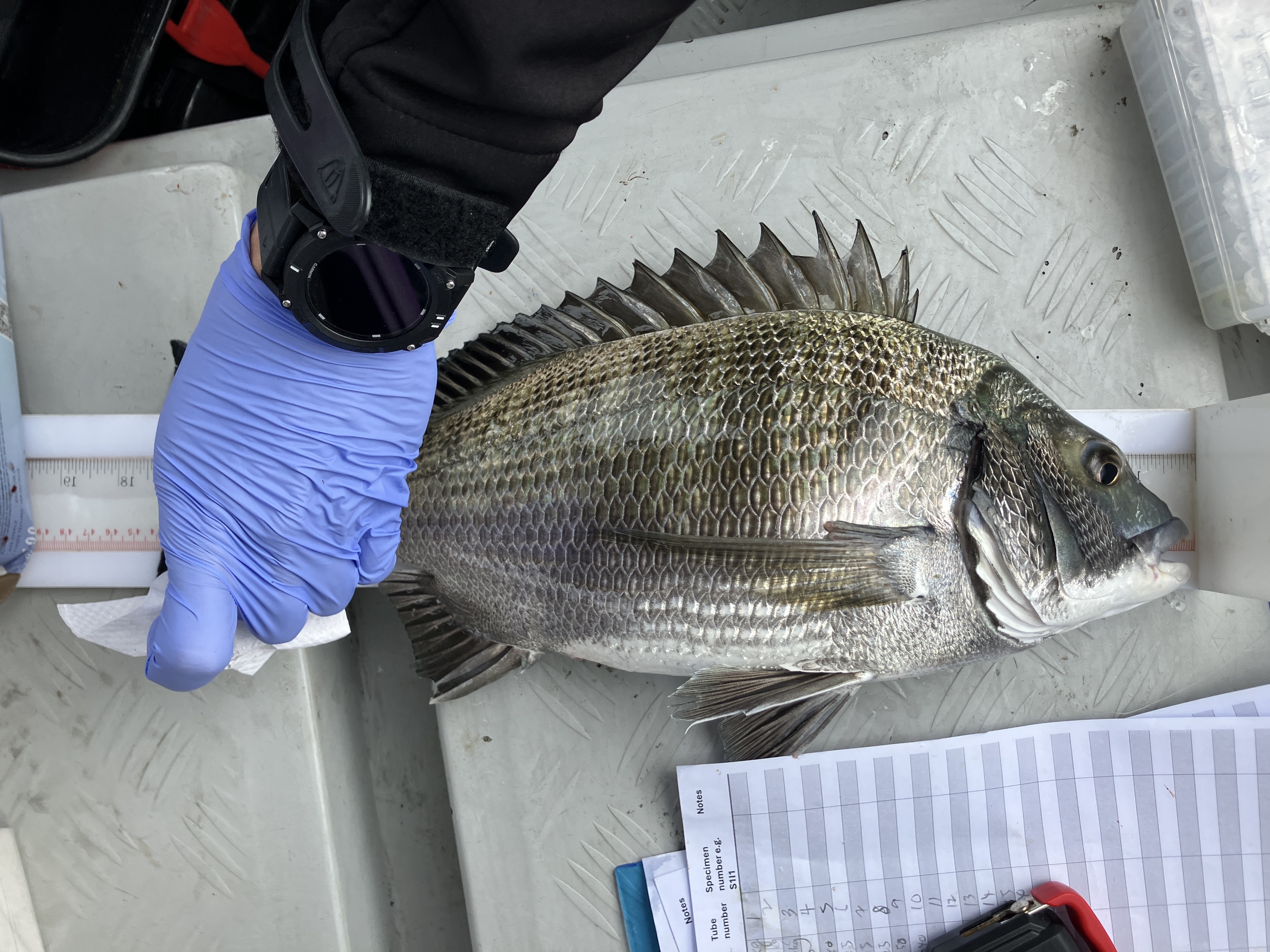
The Blackhead Seabream (Acanthopagrus schlegelii) is a common commercial species in Tolo Harbour. While its population appears healthy by size alone, genetic data reveal a hidden high-risk decline.
This low-cost, easily replicated approach could serve as an early-warning tool for fishery managers across the Greater Bay Area, with findings set to feed into FishBase, the world's largest fish database.
Embracing Our Tolo is more than an exhibition. It is an invitation to stand at Island House, look out over Tolo Harbour, and imagine its future together.
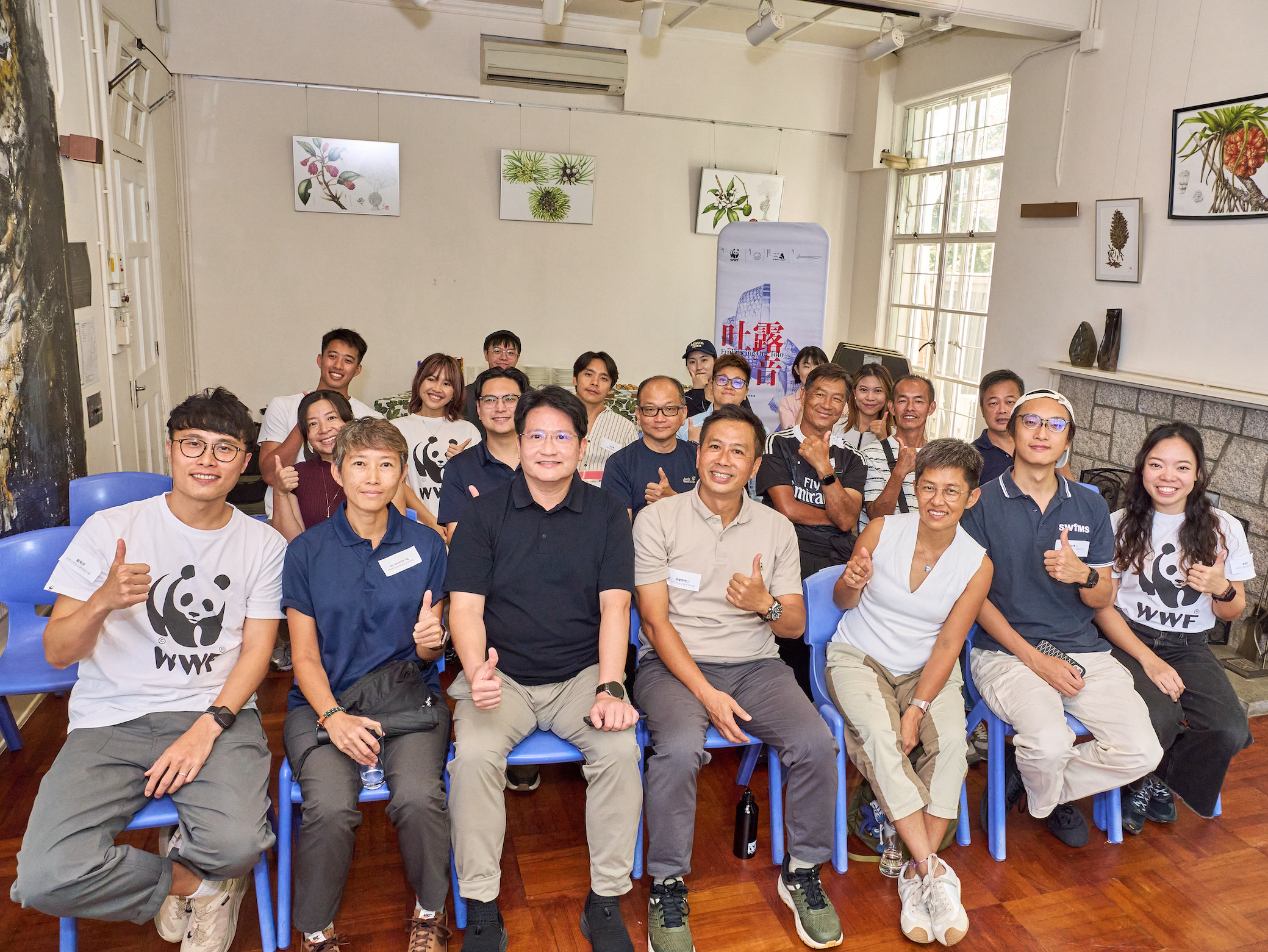
Guests and project partners gathered for a group photo during the outcome sharing session and soft-opening ceremony on 21 August.
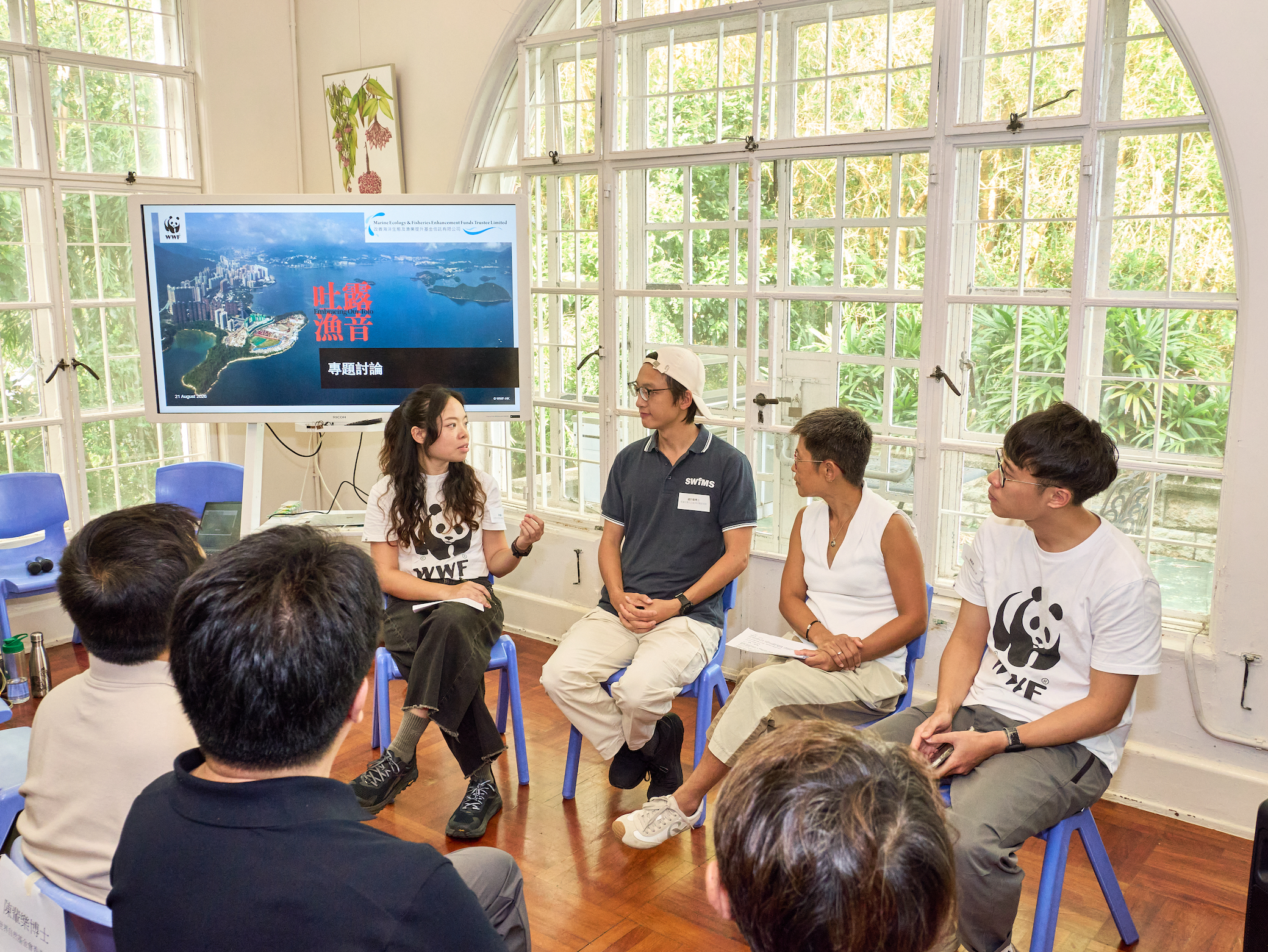
Speakers shared insights on Tolo Harbour's fish populations and water communities during the soft-opening, and shed light on the way forward for fishery studies and marine conservation in the panel discussion session.
Exhibition Details
Major exhibition content is presented in Chinese only.
.jpg)