Advancing Ocean Conservation with Nature-based Solutions
For more than 10 years, WWF have collaborated with local academic, experts, stakeholders to conserve Hong Kong’s most ecologically sensitive marine habitats, including the identified priority sites for marine conservation such as Sharp Island, Shui Hau sandflat, and Tolo Harbour. These rich yet fragile ecosystems support diverse marine life but face growing threats from human disturbance and pollution.
Aligning with global calls to safeguard 30% of the world’s oceans as Marine Protected Areas (MPAs), our work advances on-the-ground conservation and policy advocacy across multiple critical marine sites in Hong Kong. Through innovative research, ecosystem restoration, and broad stakeholder engagement and empowerment, we promote long-term, scalable models mutually benefiting marine biodiversity and coastal communities and industries, and call for joint actions to revive our thriving ocean. Our sciencebased approach, combined with smart technologies, is building a resilient marine environment.
Together, these efforts reinforce Hong Kong’s commitment to conserving its marine heritage and securing thriving ocean ecosystems for future generations.
Nature-based Solutions at Sea
Nature-based solutions offer a practical pathway to restoring and strengthening Hong Kong’s marine and coastal ecosystems, helping them adapt to growing environmental pressures and community needs. WWF-Hong Kong seeks to develop long-term, scalable Nature-based Solutions that restore marine ecosystems while generating benefits for both people and wildlife. Our flagship conservation initiative, Sea for Future III, generously supported by the Swire Trust, showcased an important step forward in for large-scale habitat restoration in Hong Kong, lighting the way for a sustainable, prosperous marine future.
Seagrass Restoration: Revitalising Vital Habitats
Seagrass meadows support biodiversity, enhance water quality and sequester carbon. Despite providing these important ecosystem services, Hong Kong has experienced significant losses of these vital habitats in recent decades. Working with leading research partners, WWF-Hong Kong has pioneered local seagrass restoration, working with Dr Juan Diego Gaitán-Espitia’s research team to advance seagrass restoration techniques.
After rigorous site trials in Hong Kong’s eastern waters, we identified a mangrove mudflat in Tolo Harbour as a long-term seagrass restoration trial site, employing innovative anchoring techniques tested at Hoi Ha Marine Life Centre. Two seagrass species, Halophila ovalis and Zostera japonica, were transplanted to the site and then monitored intensively. Results showed a five-fold increase in seagrass coverage within two months, proving that these methods are effective in the local context.
This success demonstrates that scalable, cost-efficient habitat restoration is possible in the local environment. We will continue to refine our techniques, expand trials to additional sites and work towards large-scale seagrass recovery as part of our wider efforts to build the resilience and health of Hong Kong’s coastal ecosystems.
WWF-Hong Kong
WWF-Hong Kong
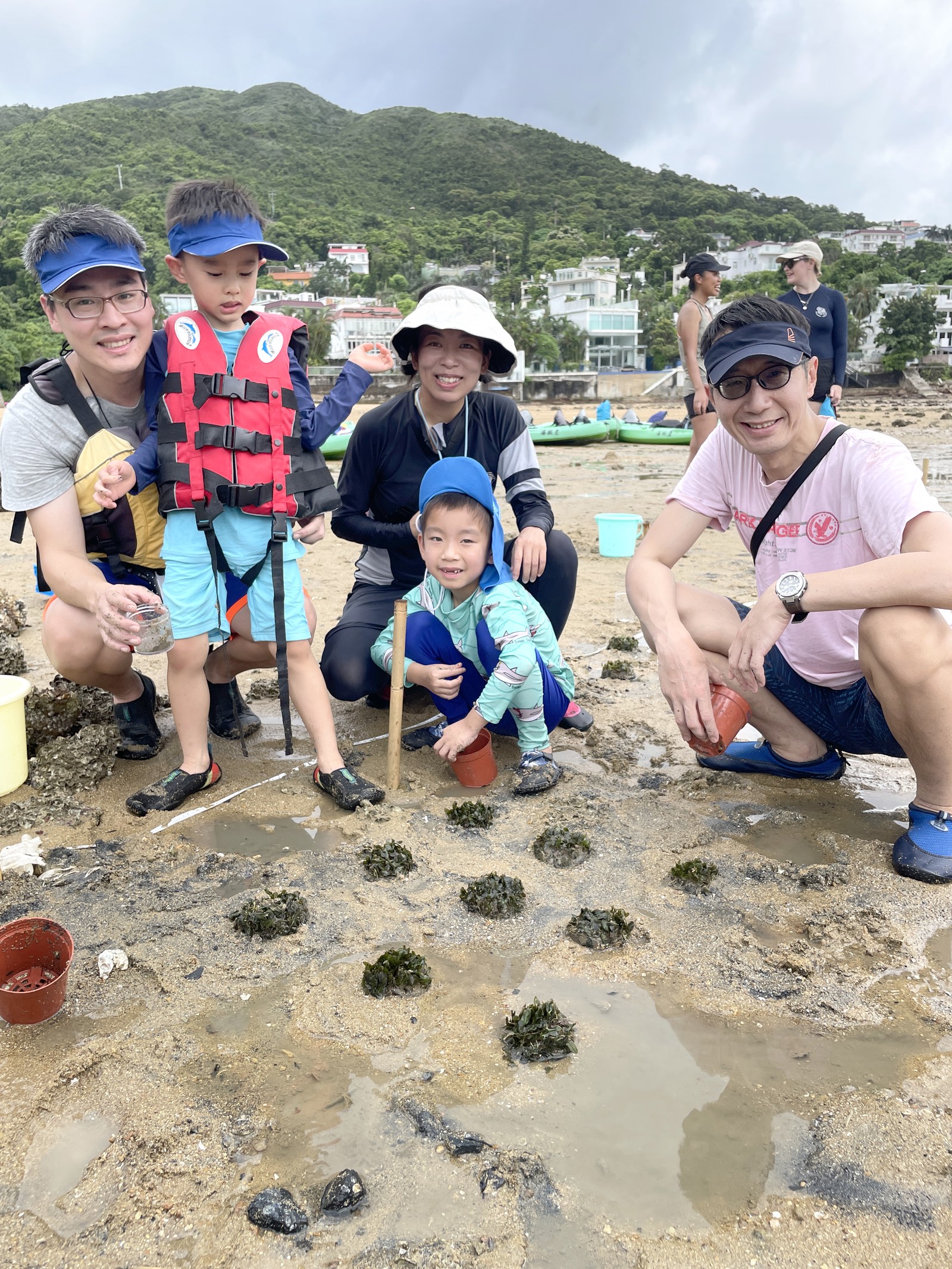
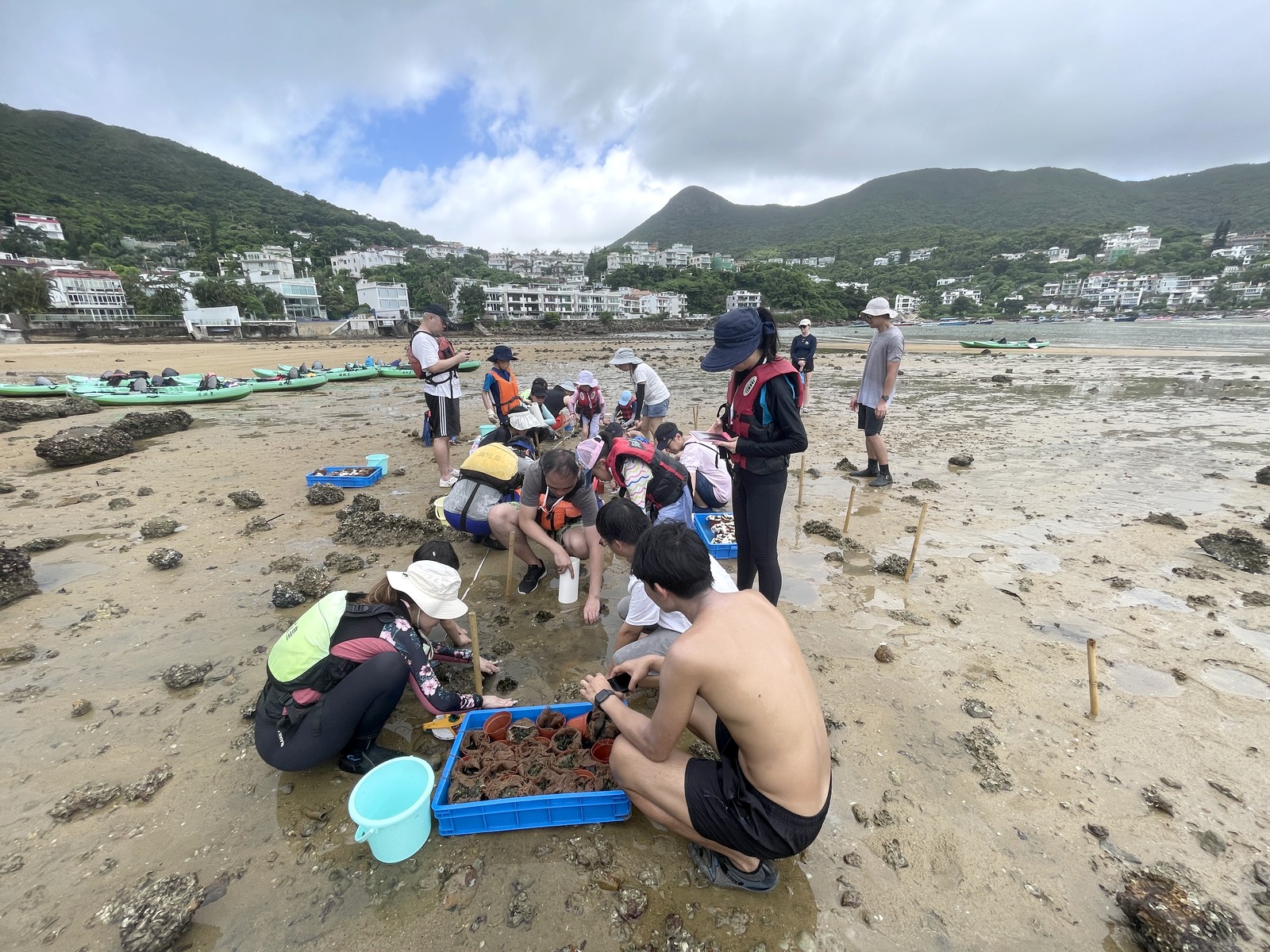
Volunteers of all ages participated in a seagrass restoration pilot experiment at Sheung Sze Wan. Here, they are helping set up experimental transplant zones
WWF-Hong Kong
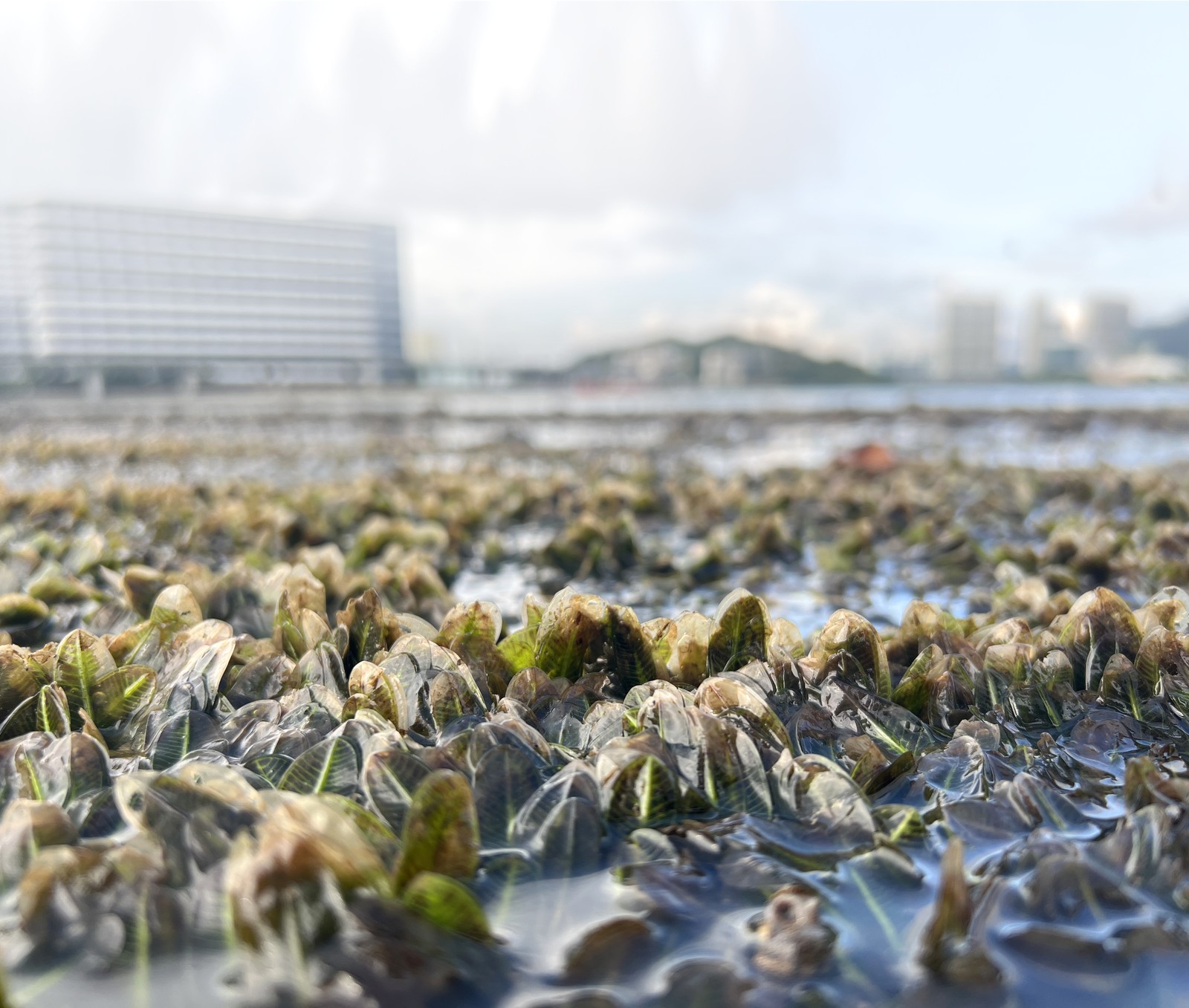
Seagrass beds serve as important habitats and feeding grounds for many marine species
WWF-Hong Kong
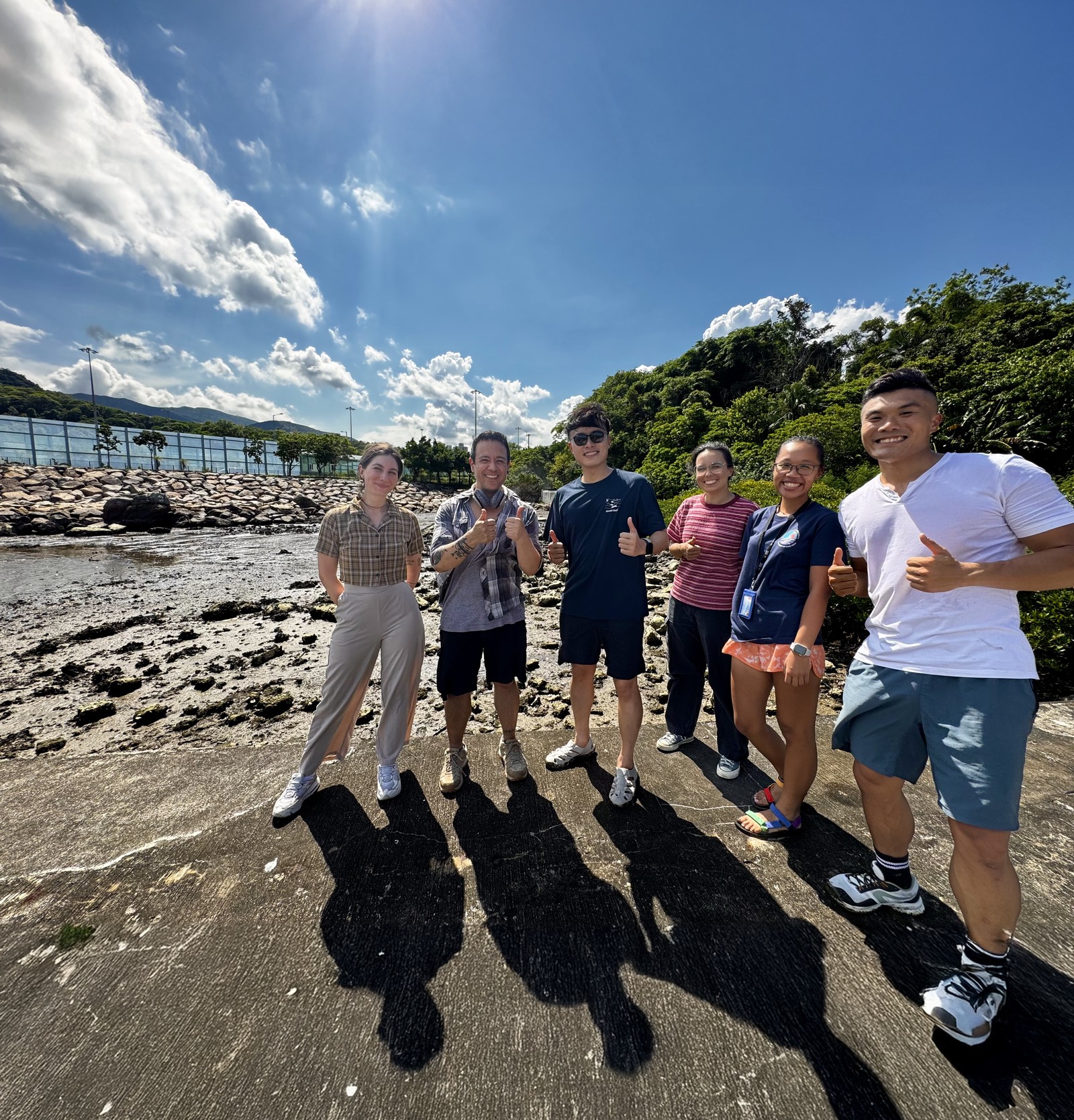
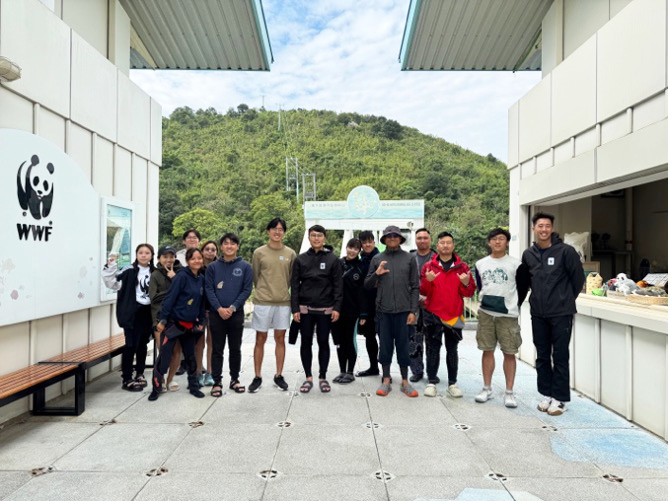
Dr Juan Diego Gaitán-Espitia (second from left) and his research team work with WWF-Hong Kong to advance seagrass restoration techniques
Restoring Hong Kong’s coral communities is one of WWF-Hong Kong’s Nature-based Solutions designed to support vibrant marine ecosystems and coastal communities. Through the “Reviving Our Corals” initiative, which Sea for Future III act as a core support, we focus on hands-on restoration, coral nursery growth and public engagement in ocean conservation. The collaborative efforts of our partners and community supporters has yielded impressive progress over the past year.
So far, Reviving Our Corals has nurtured 680 coral fragments in the Hoi Ha Marine Life Centre nursery. These have been successfully outplanted to sites in the Tolo Harbour and Channel, and 85% have survived. Our Marine Life Centre is now a hub for coral rescue, home to improved laboratory facilities and new eco-tours that let students and visitors see rescued corals up close, participate in water quality testing and directly witness conservation in action.
Training and involvement have also expanded as the project has progressed. Several coral restoration and rescue workshops have been held, with 50 experienced divers receiving hands-on training in emergency coral rescue and restoration. The workshops have received universally positive feedback, highlighting the diving community’s commitment and eagerness to contribute.
The success of Reviving Our Corals is making a visible difference – the restored corals are attracting marine life, with 88 fish species having been observed at the sites. Meanwhile, continued public participation is raising awareness and laying the foundation for a healthier Hong Kong marine environment.
WWF-Hong Kong
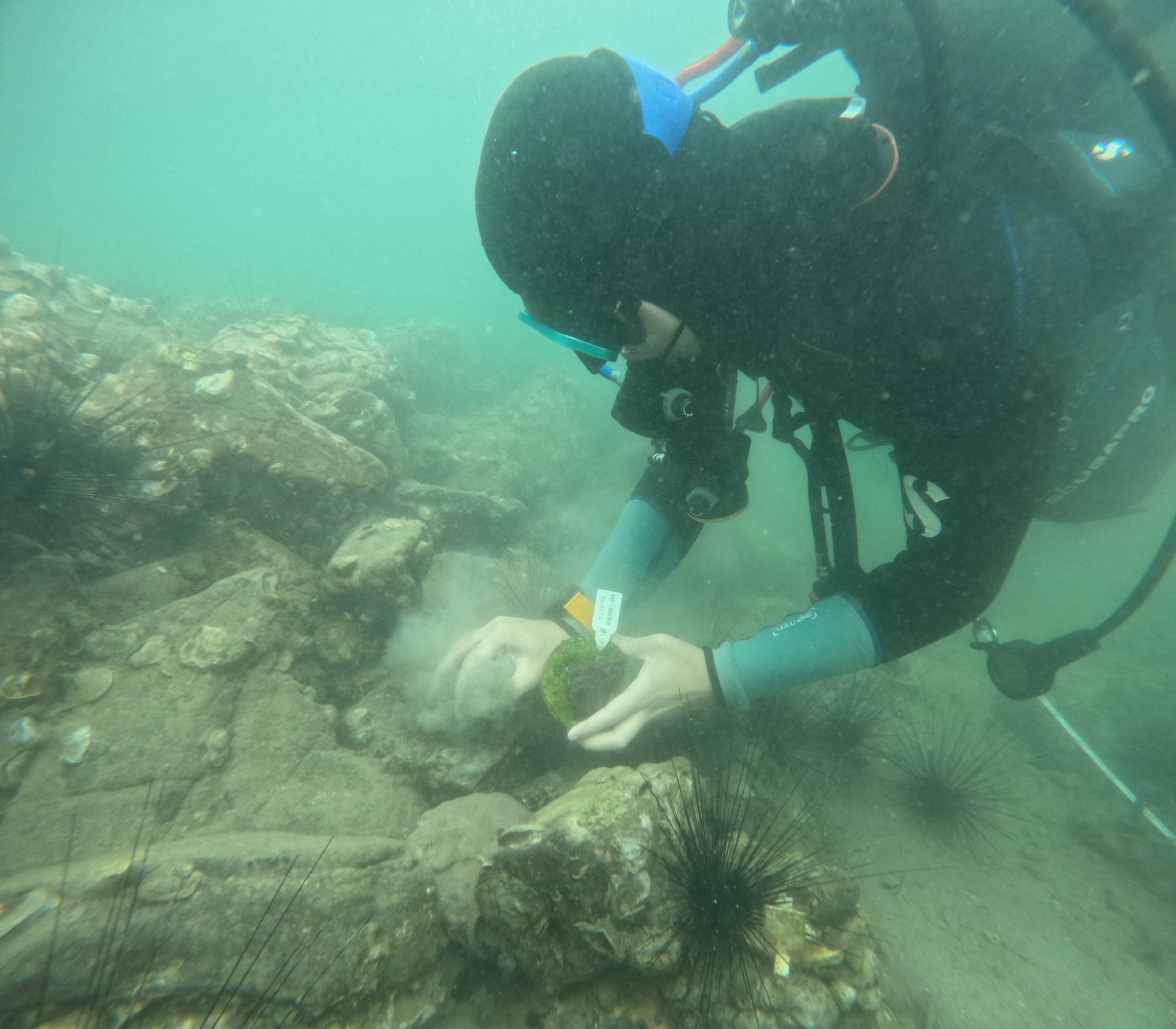
Divers working in Tolo Harbour and Channel, returning nurtured coral fragments back to the sea at a Reviving Our Corals site
WWF-Hong Kong
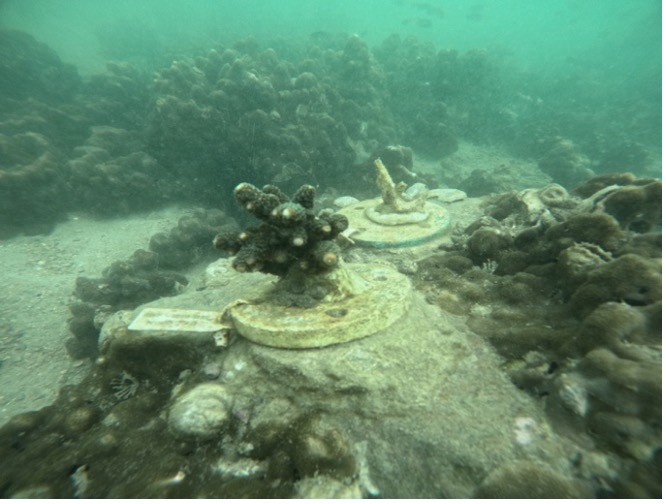
A healthy coral fragment in the Tolo Harbour and Channel. The 85% survival rate validates our restoration protocols, site selection process and the hard work of academics and divers
WWF-Hong Kong
Divers taking part in emergency coral rescue and restoration training
Prioritising a Sustainable Blue Economy
In 2024, WWF-Hong Kong launched a regional ocean accounting study, integrating the concept of Gross Ecosystem Product (GEP) with traditional accounting to evaluate the economic and social contributions of marine ecosystem services across the Greater Bay Area. In April 2025, the results were presented at an international conference in Beijing, enhancing understanding of the immense value of marine biodiversity and strengthening local and global advocacy for sustainable seas.
These results was also compiled in a report titled “Valuing the Invaluable Blue” and co-launched with academic and financial partners, providing the first quantification of the Greater Bay Area’s marine GEP – RMB 4.9 trillion, or 35% of the region’s GDP. By embedding GEP metrics into policy and investment planning, this and other research set the stage for Hong Kong to become a regional leader in the sustainable blue economy, balancing capital mobilisation with long-term ecological protection.
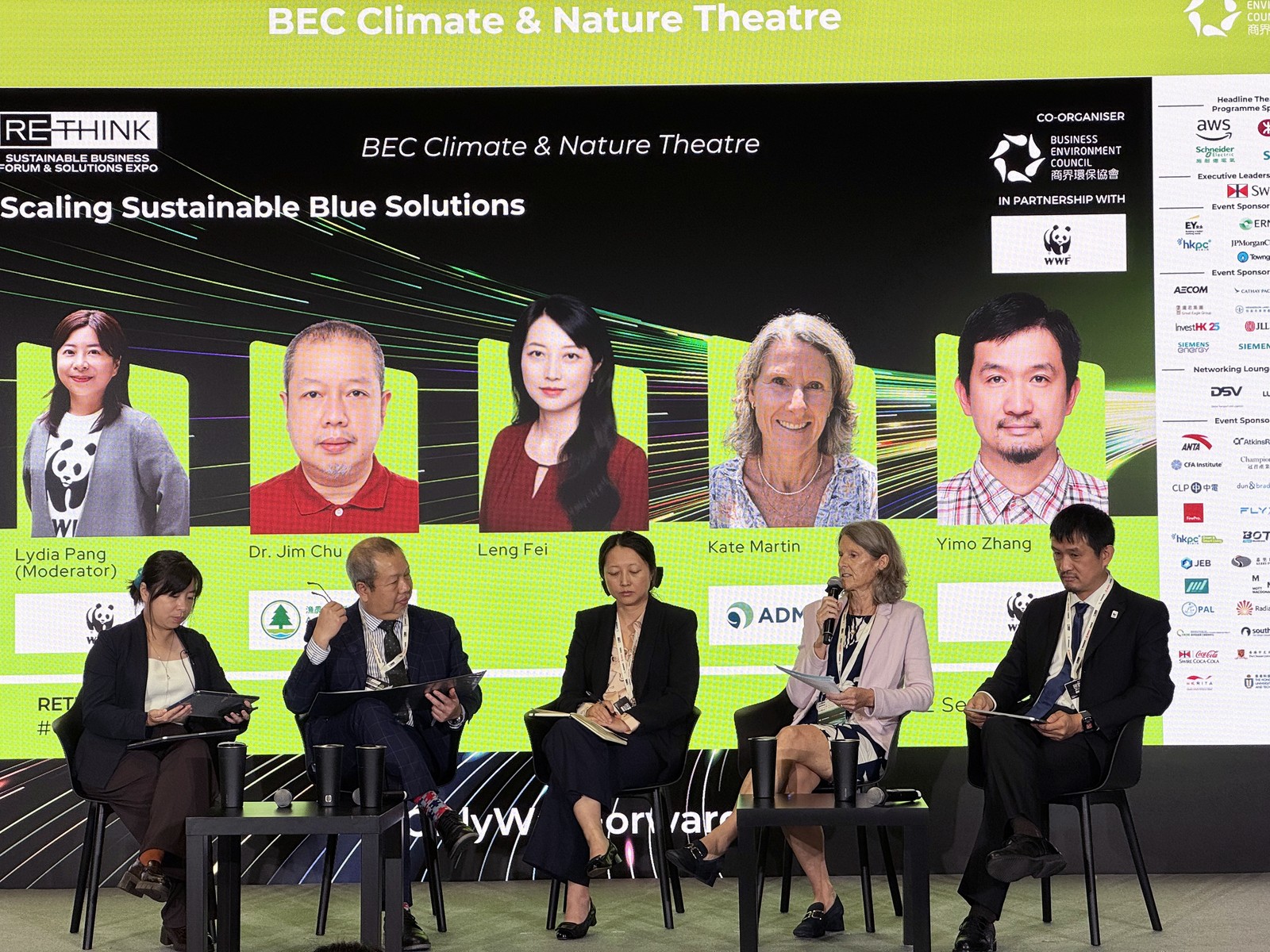
Later, at the ReThink HK 2025 conference, we convened policy makers, business leaders and conservation experts in a panel discussion about scaling sustainable blue solutions. The participants explored innovation pathways for innovation financial mechanism to support marine conservation, underlining Hong Kong’s role in driving economic and ecological resilience through nature-based approaches.
WWF-Hong Kong
The Third International Conference on Realising the Value of Ecosystem Goods and Services in Beijing, April 2025
WWF-Hong Kong
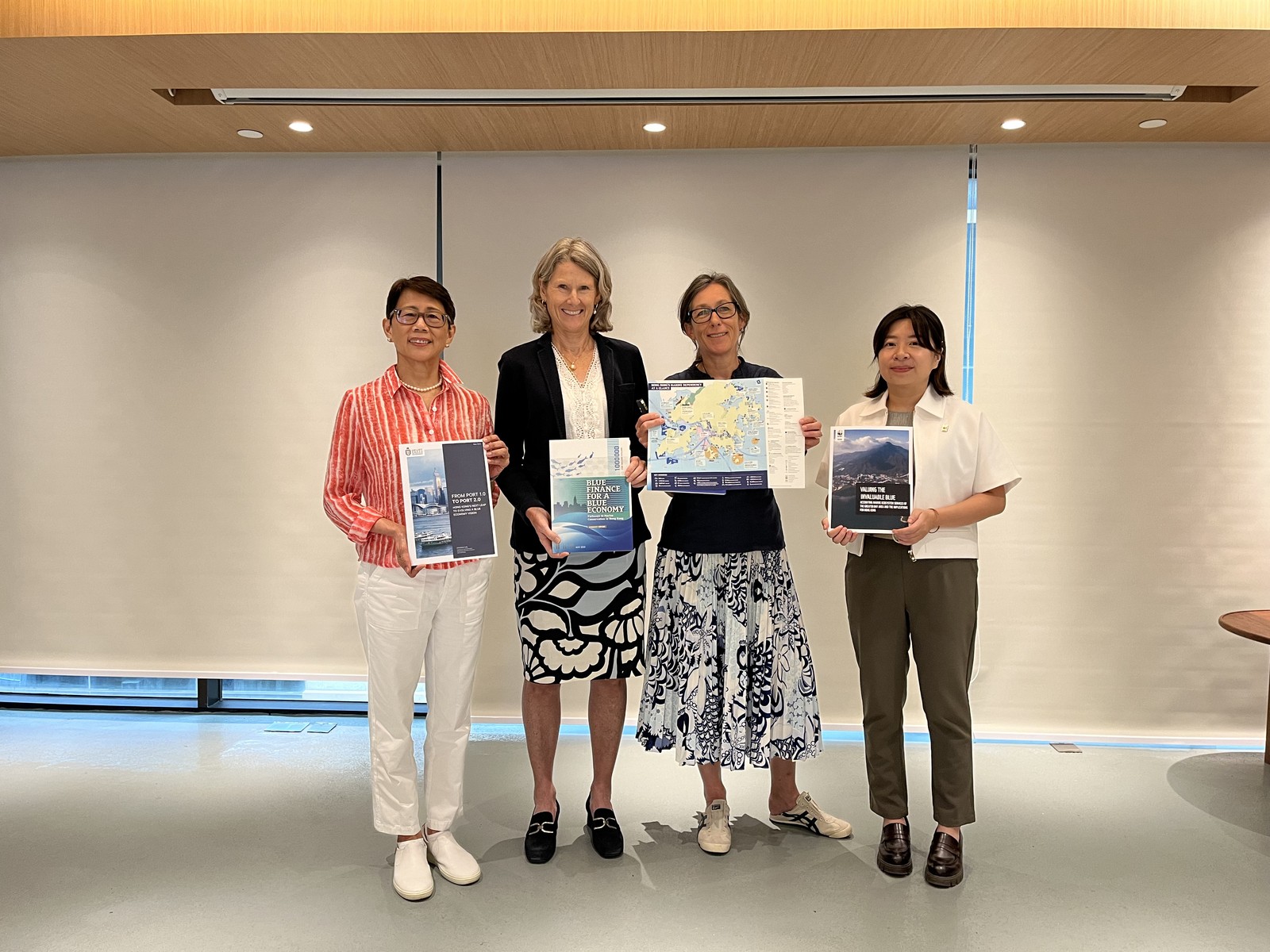
Three landmark reports released by WWF-Hong Kong, UST and ADM Capital Foundation shed light on Hong Kong’s potential to reinvent itself as a blue economy hub for Asia
WWF-Hong Kong
Lydia Pang (left), WWF-Hong Kong’s Head of Oceans Conservation, moderated the “Scaling Sustainable Blue Solutions” panel discussion, offering a comprehensive perspective on advancing sustainable blue initiatives in Hong Kong
Collaborative Solutions for a Cleaner Ocean
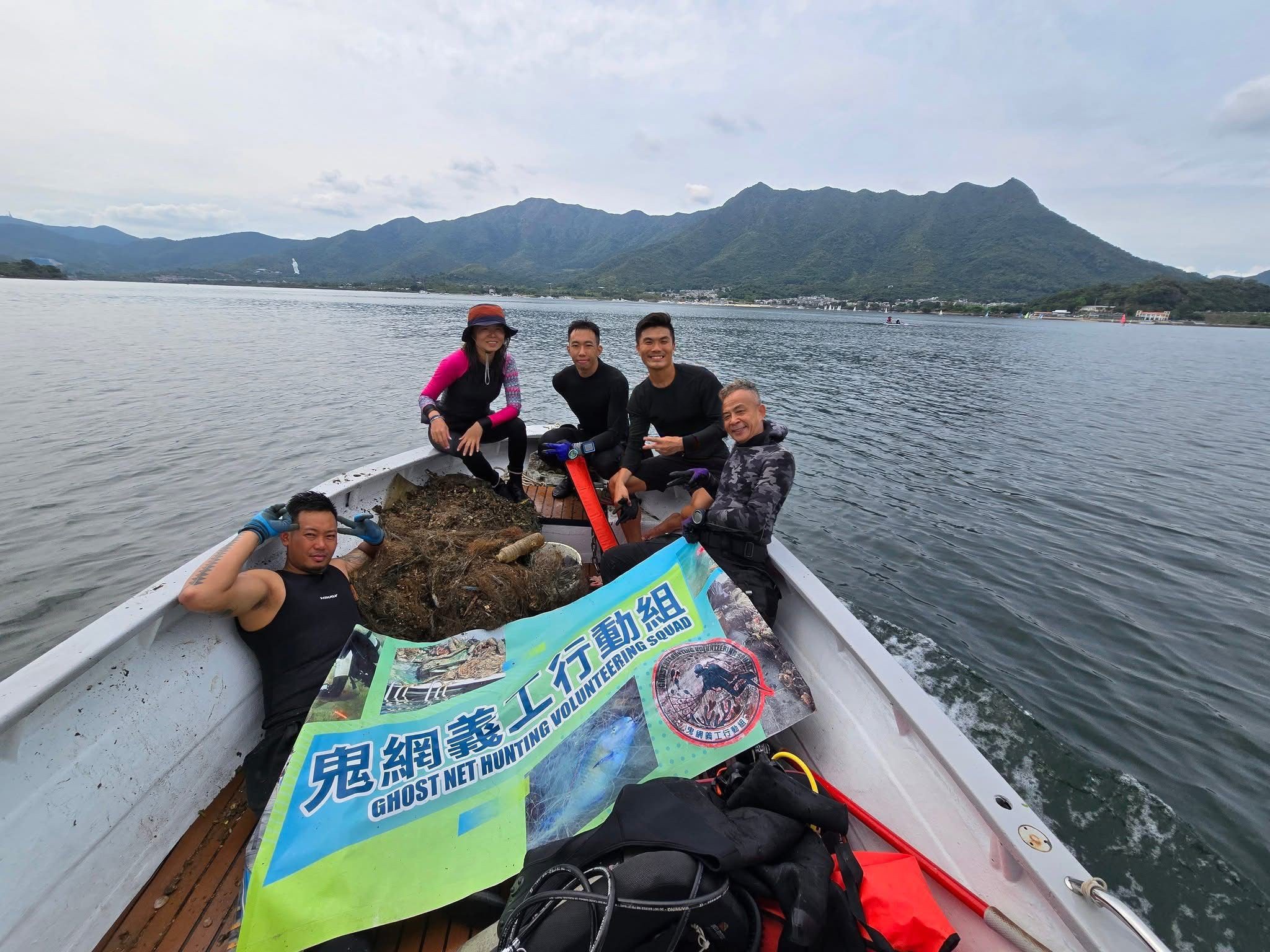
The “Environment and Conservation Fund Turning the Tides – Underwater Surveys, Clean-ups, and Beyond” aims to reintegrate ghost fishing nets into the recycling chain, giving them a second life. In the 2024 diving season, the project trained citizen scientist divers who led over 50 reef check teams to survey marine litter at Hong Kong’s coral sites, providing valuable insights into local underwater conditions. Seminars, practical dive sessions, and educational booths further equipped divers with conservation knowledge and raised public awareness of marine litter issue. The complementary “Oceannovator” incubator programme identified four innovative solutions, fostering collaboration among stakeholders to tackle marine litter through citizen science, technology, and industrial expertise. Concluding in May 2025, the project created valuable opportunities to test novel conservation technologies and paved the way for future scaling-up initiatives.
WWF-Hong Kong
The Ghost Net Volunteer Action Team working in Tolo Harbour
Smart Stewardship at Shui Hau
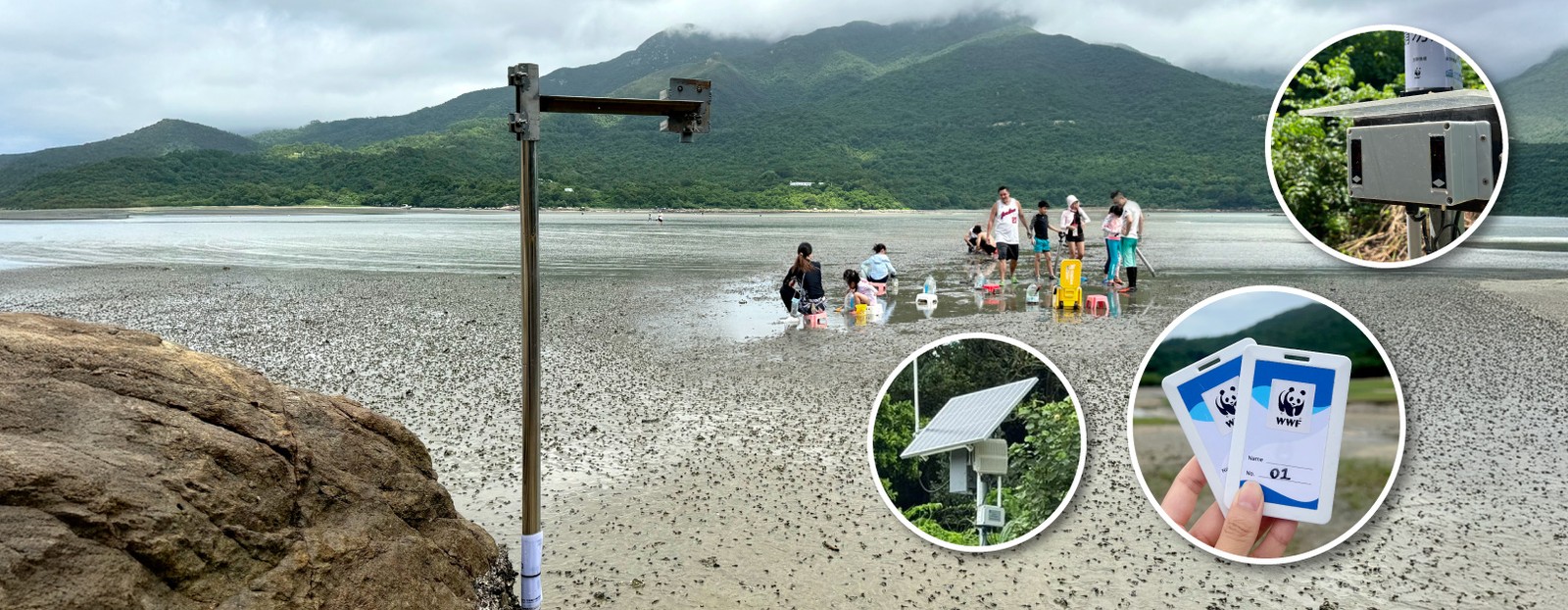
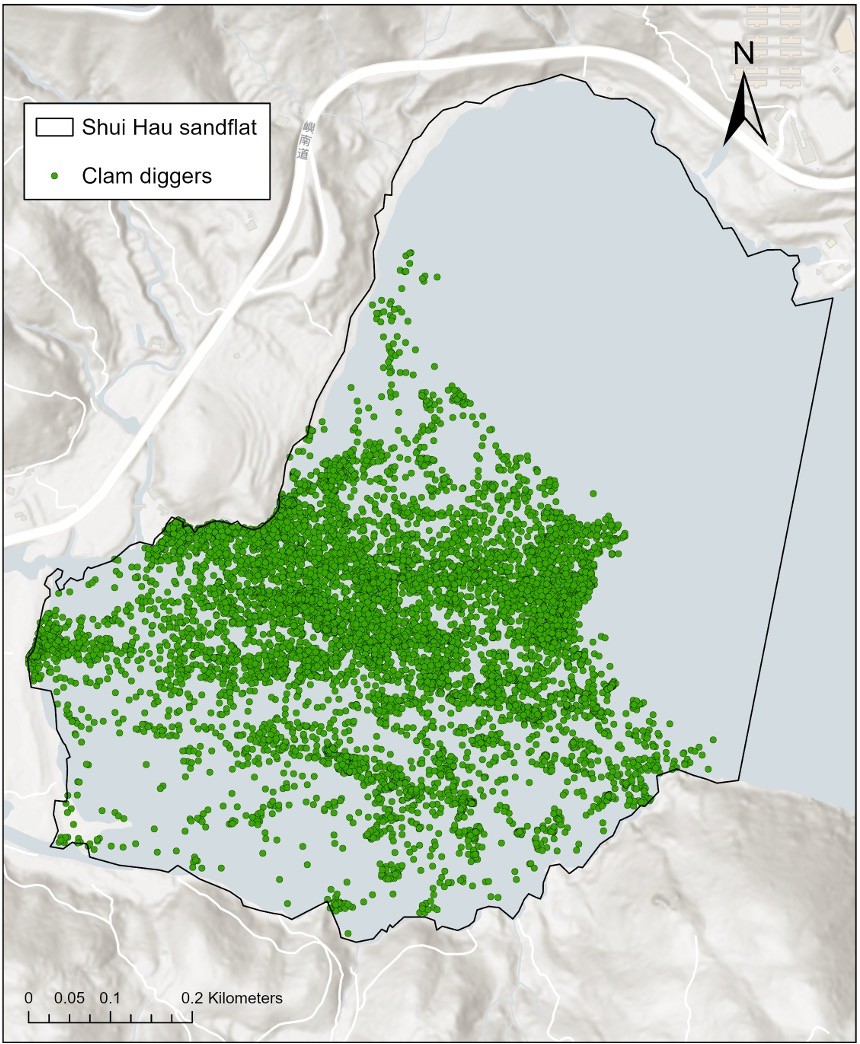
At the Shui Hau sandflat, WWF-Hong Kong is deploying Internet of Things (IoT) solutions – using conservation technology to balance recreation with ecological preservation. Smart sensors and GPS trackers collect real-time data on visitor flows and human-nature interactions, revealing clam-digging hotspots and informing adaptive management strategies. Concurrent biodiversity monitoring is helping identify critical juvenile Horseshoe crab habitats. By integrating data on ecology and human activity, we are able to pinpoint where visitor use areas and sensitive zones overlap. These advanced tools are helping to support science-based management recommendations for the Shui Hau sandflat, such as informing the carrying capacity of visitors of this sensitive site, which will help protect Hong Kong’s distinctive coastal ecosystems.
Looking forward, WWF-Hong Kong will use our findings to give weight to our recommendations that the government adopt evidence-based management measures. We also plan to continue publishing our valuable conservation findings in scientific journals, in collaboration with scientists. This will ensure that the data we gather can inform local conservation actions and wider research on human-nature interactions.
WWF-Hong Kong
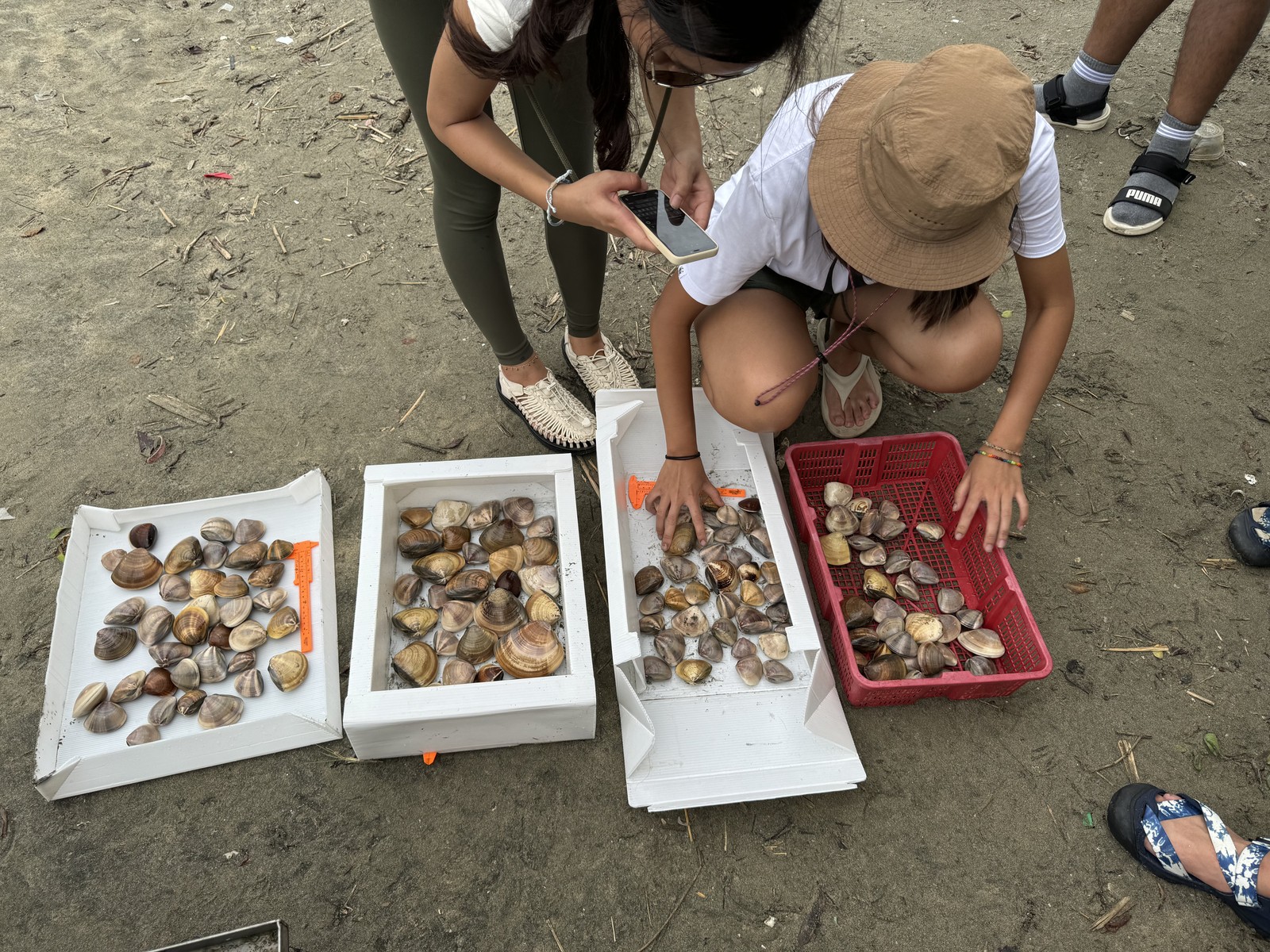
Citizen scientists collect clam samples in Shui Hau to study how human activities affect the area’s biodiversity
WWF-Hong Kong
The “Smart Shui Hau” initiative uses IoT tech to monitor environmental conditions and human activity on the sandflat, helping identify overlaps between human recreation and sensitive habitats
WWF-Hong Kong
Distribution chart showing visitor traffic patterns mapped using GPS points in Shui Hau
.jpeg)


.jpg)