.jpeg)

.png)
Restoring an Ecological and Cultural Treasure
The Mai Po wetlands are one of Hong Kong’s greatest ecological treasures. They are rich in biodiversity and home to traditional cultural practices like gei wais and rice farming. Recognising the urgent need to preserve these irreplaceable natural and cultural landscapes, we launched the three-year Lee Hysan Foundation Growing Mai Po (GMP) project in June 2024, supported by the Lee Hysan Foundation.
Blending Innovation with Tradition
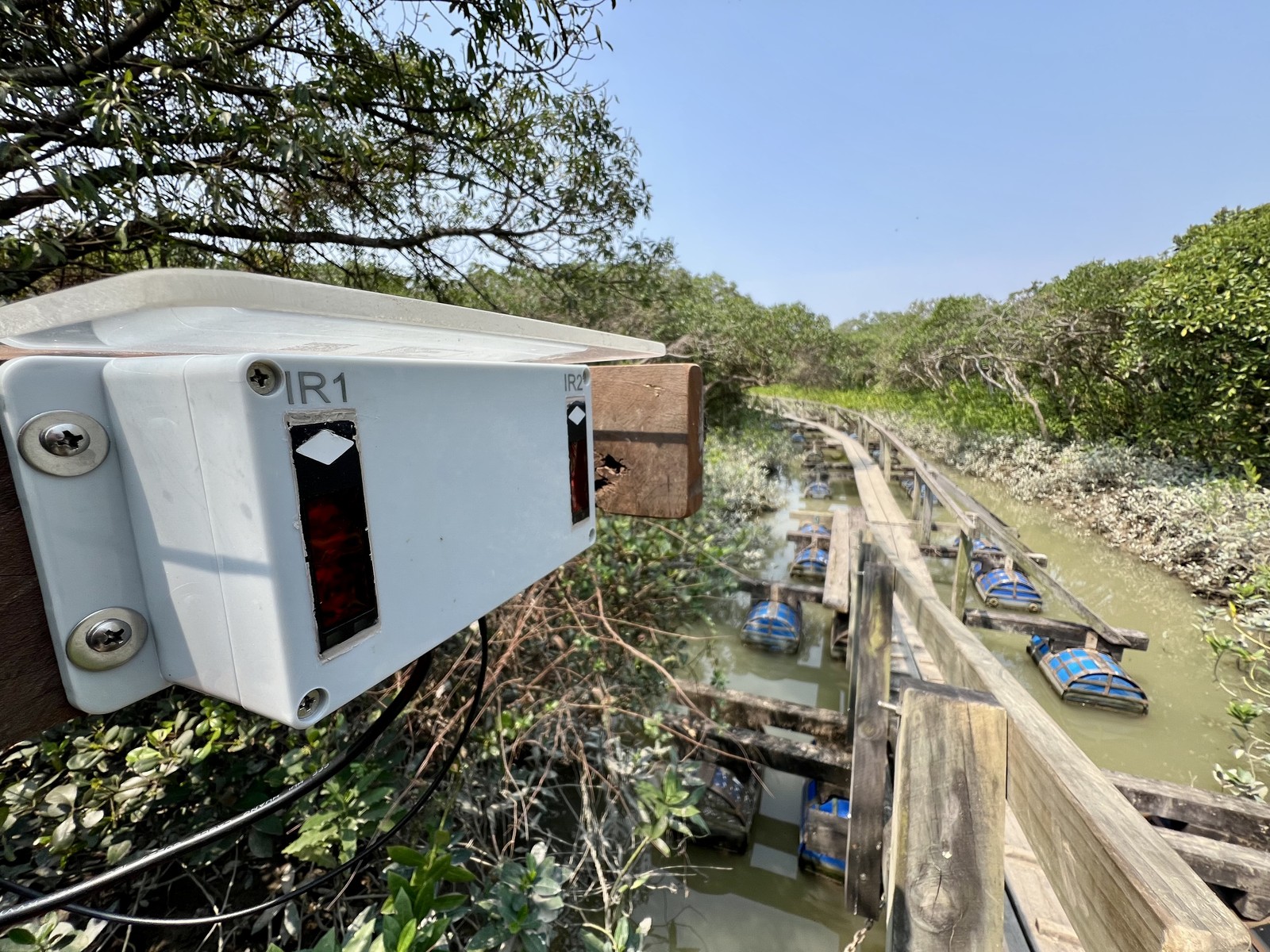
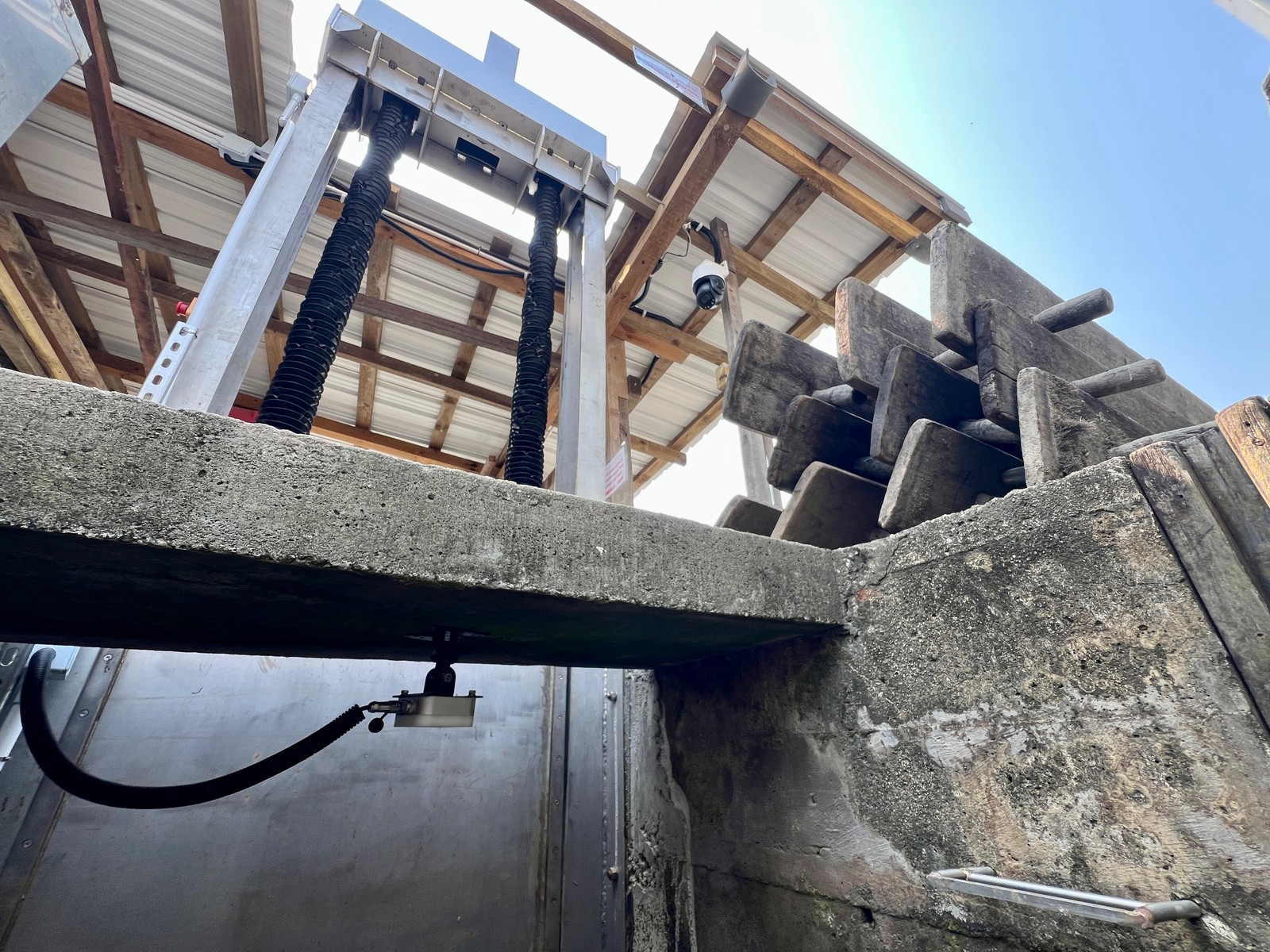
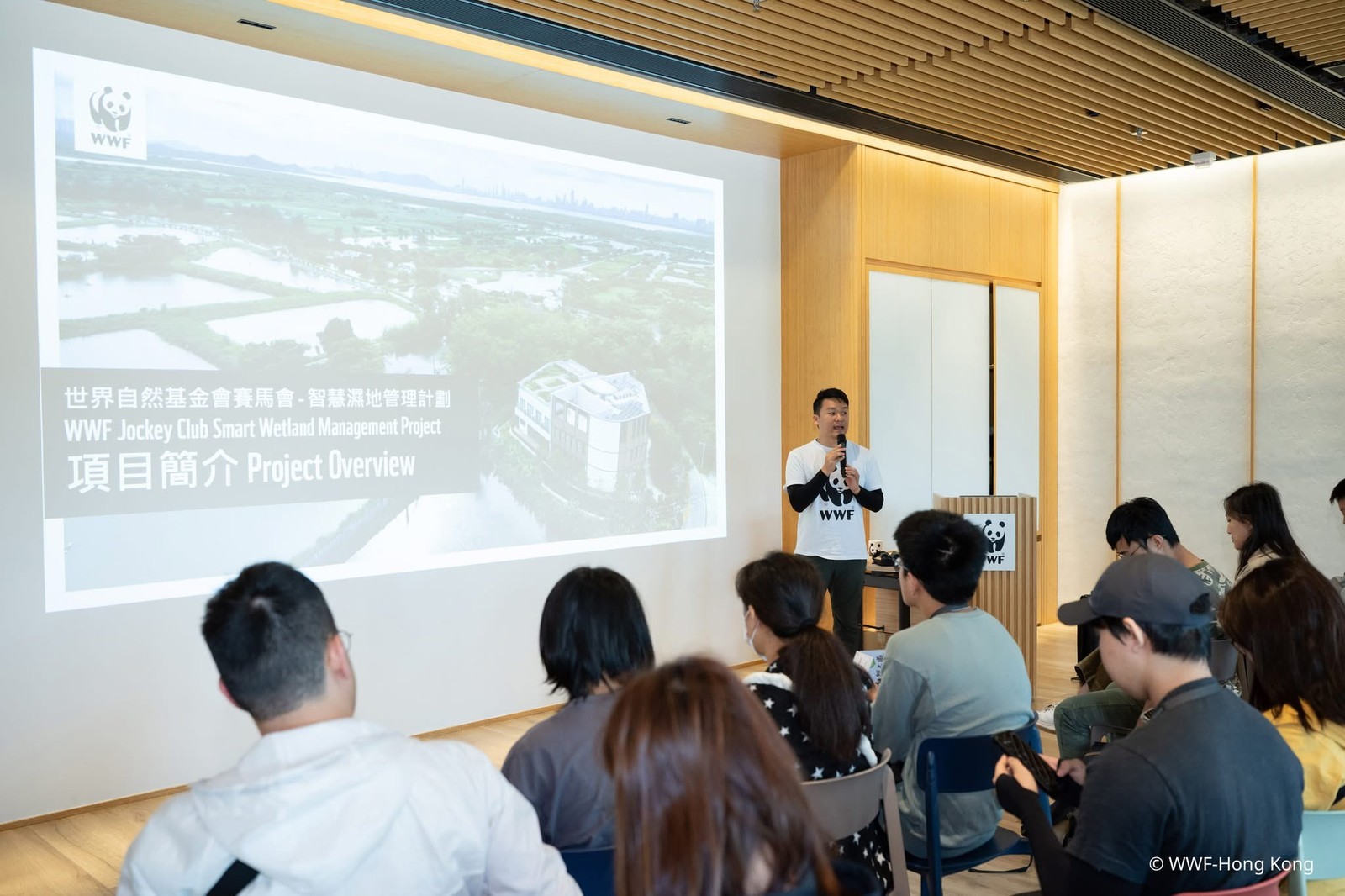
The GMP project integrates smart technologies with traditional wetland management techniques. Smart pumps, water level sensors, solar panels, water quality monitors, and cameras are linked in an automated system designed to maintain ideal habitat conditions. The system also includes the first IoT Automatic Weather Station installed in Hong Kong that uses GWIN (Government-Wide IoT network), developed by the Electrical and Mechanical Services Department as part of the Community Weather Information Network (Co-Win). This was devised in partnership with the Hong Kong Observatory and local universities, which provides precise, real-time weather data that guides wetland management decisions.
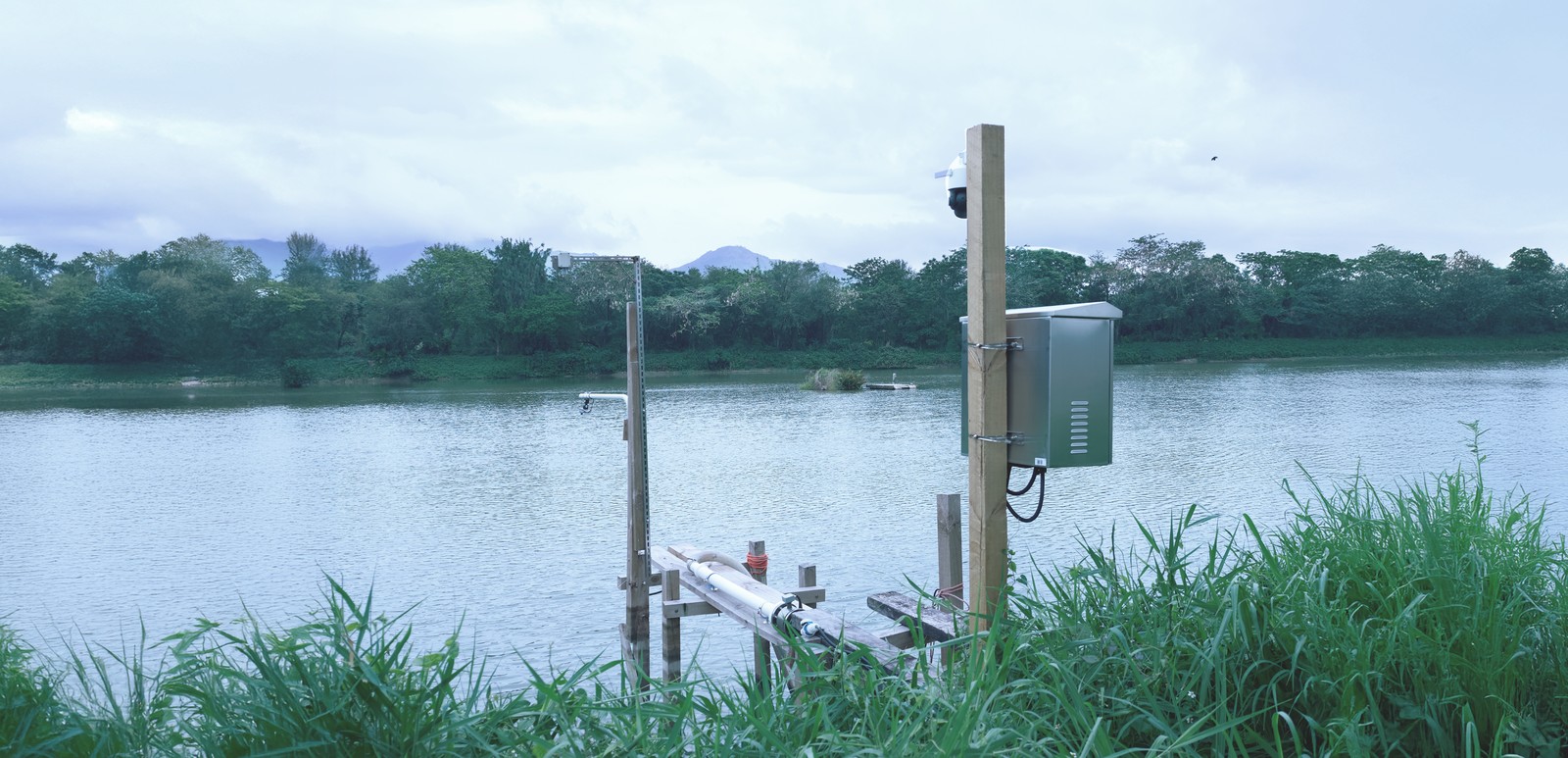
The GMP project combines smart hydrology with traditional wetland management, optimising conditions to enhance habitat conservation effectiveness
Reviving Traditional Rice Paddies
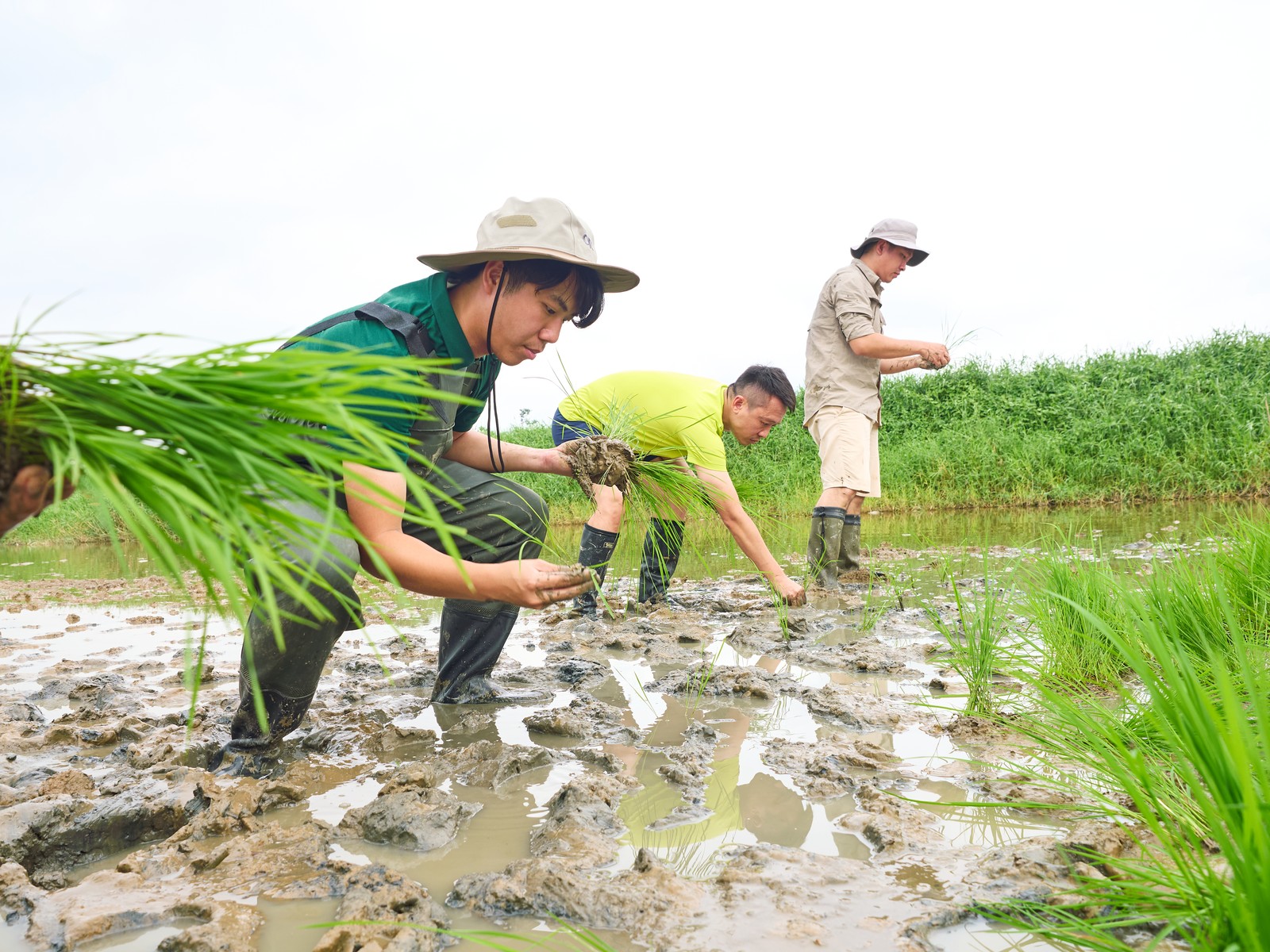
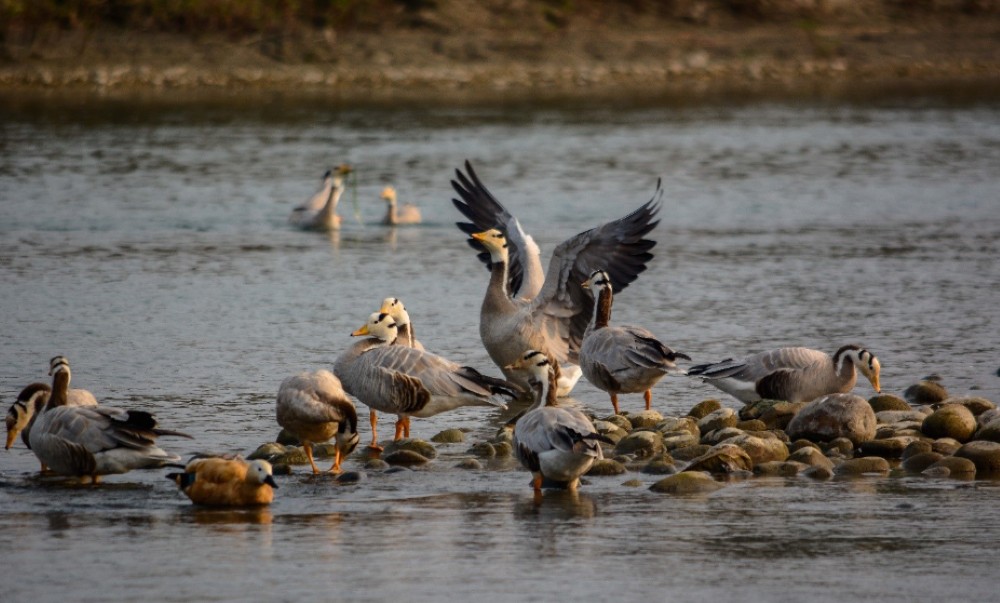
The GMP project aims to restore rice paddies as critical feeding and resting habitats for migratory birds. It employs dual growing seasons to ensure food availability for endangered species like the Yellow-breasted bunting, a local conservation priority during their migratory season. Three planting cycles have been completed since the project’s launch, with the third started in July 2025.
Several local rice varieties were selected for cultivation to preserve genetic diversity and cultural relevance – the freshwater rice types “Fa Yiu Zai,” and a rarer brackish water variety, “Ham Mun.”

A rice paddy field in November 2025
Collaboration and Community Support
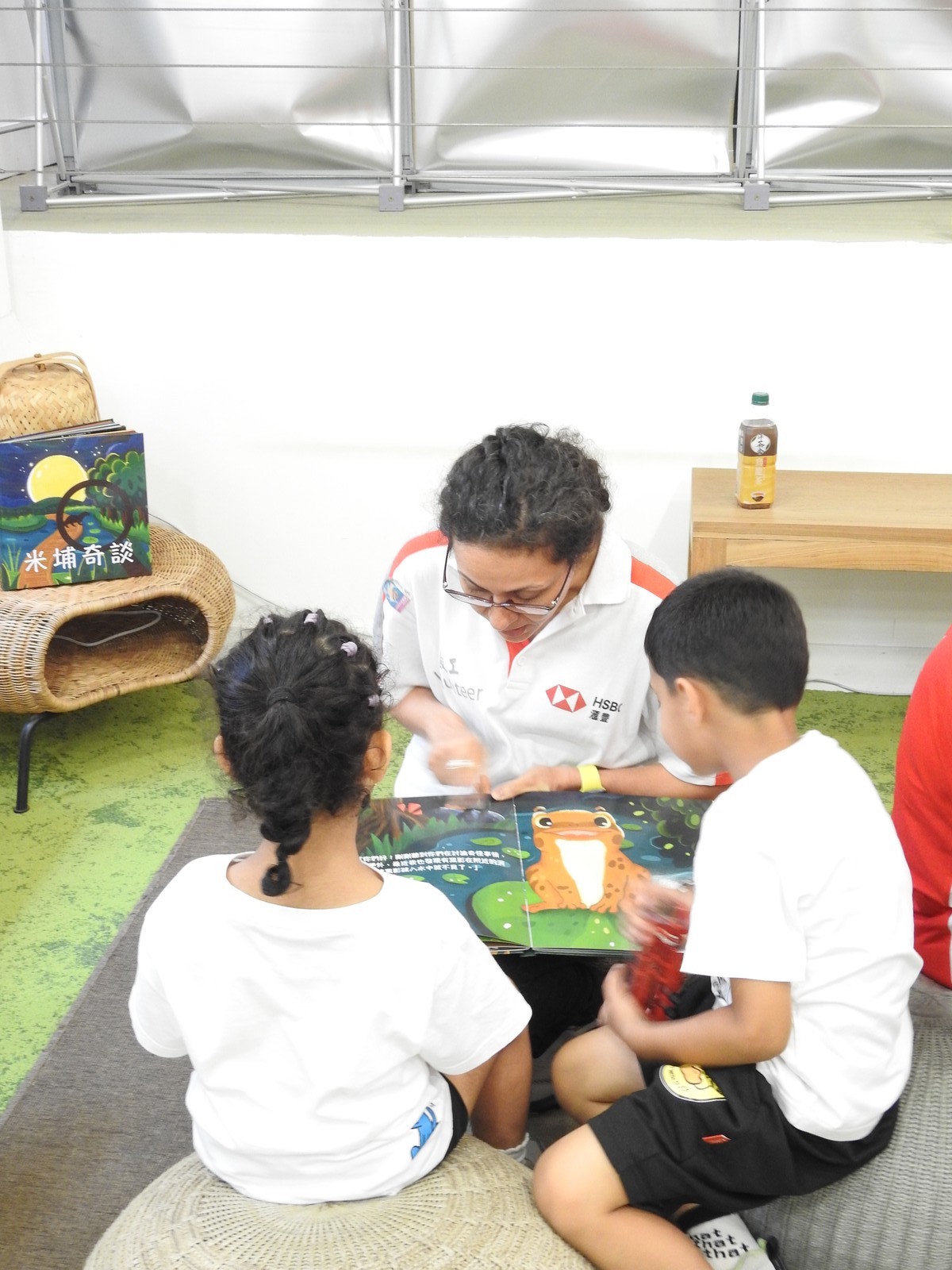
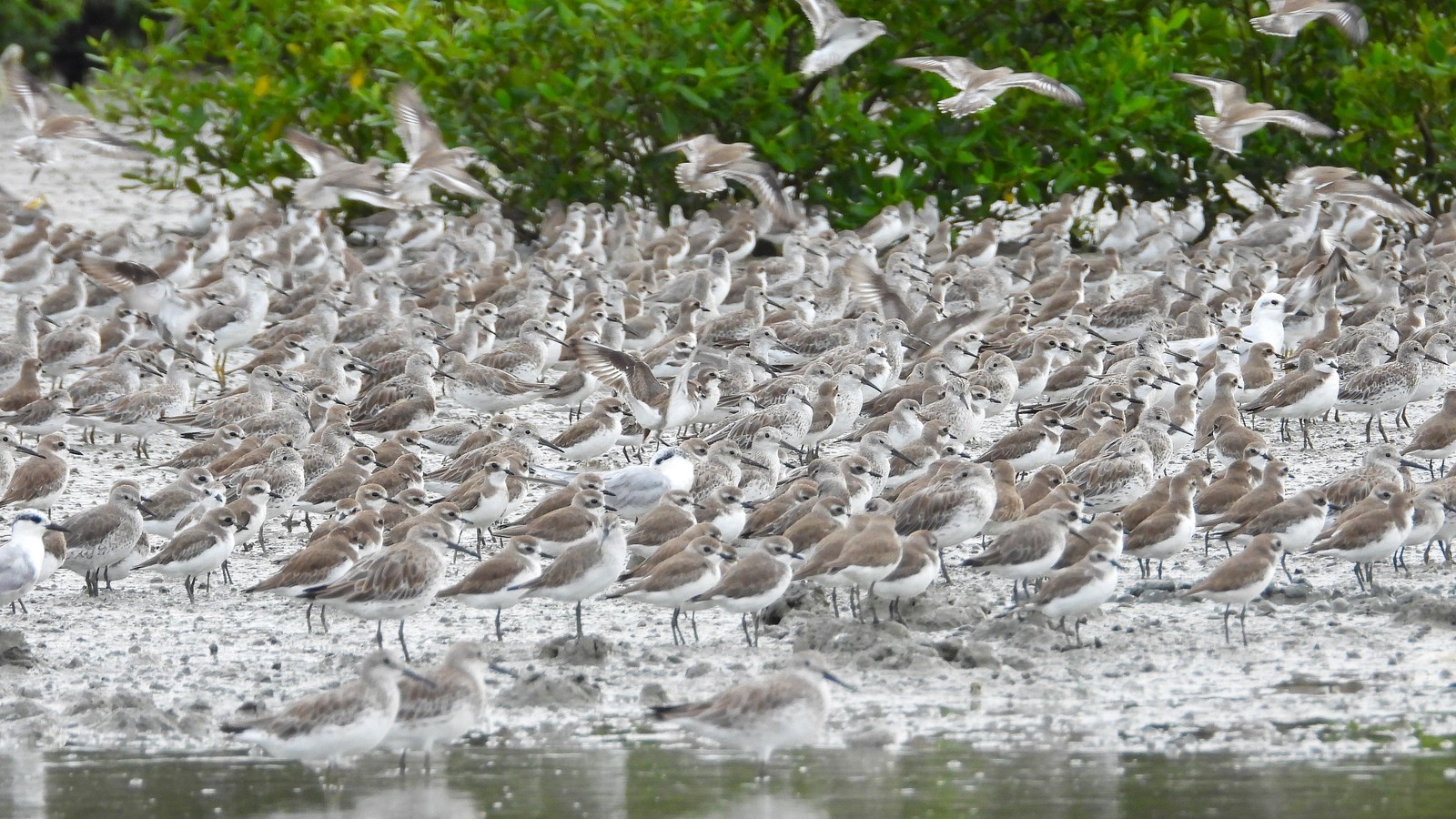
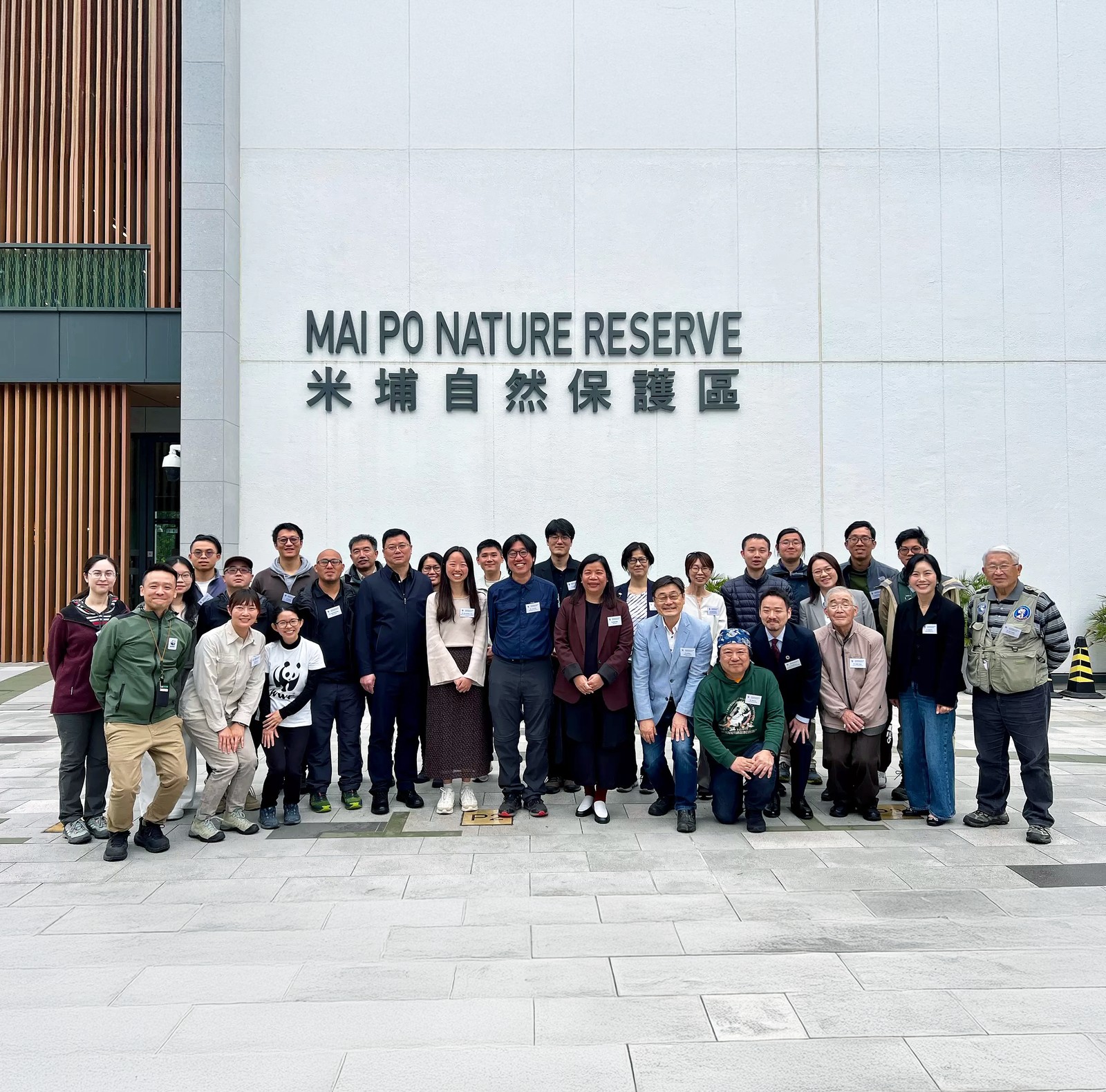
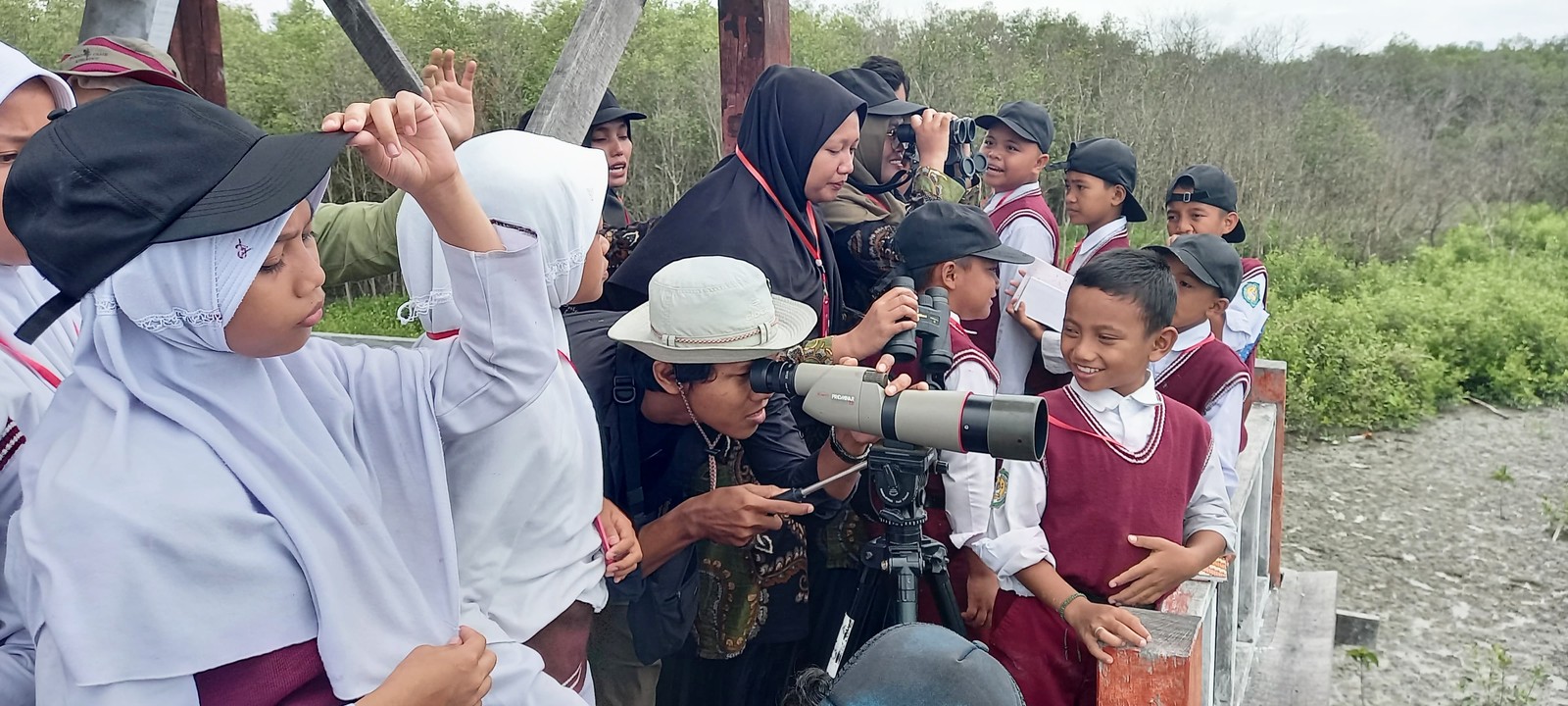
The continuing success of Growing Mai Po is underpinned by strong partnerships. Professor Lam Hon-Ming from CUHK advises on seed research, while local farmers contribute their cultivation expertise. The Hong Kong Bird Research Institute conducts regular bird surveys – recording 97 birds last season, including ten Yellow-breasted buntings and four Greater painted-snipes. Over 185 volunteers – from university students to corporate staff and public supporters – have participated in hands-on, on-the-ground work.

Bird ringers photographing the Scaly-breasted munia during a weekly GMP survey held in the dry season
Building Resilience for the Future
Despite environmental challenges like typhoons and heavy rain events, Growing Mai Po has achieved great success. The project team looks forward to welcome ongoing community support to help these traditional rice paddies thrive and sustain Mai Po’s unique biodiversity.
.jpg)
.jpg)
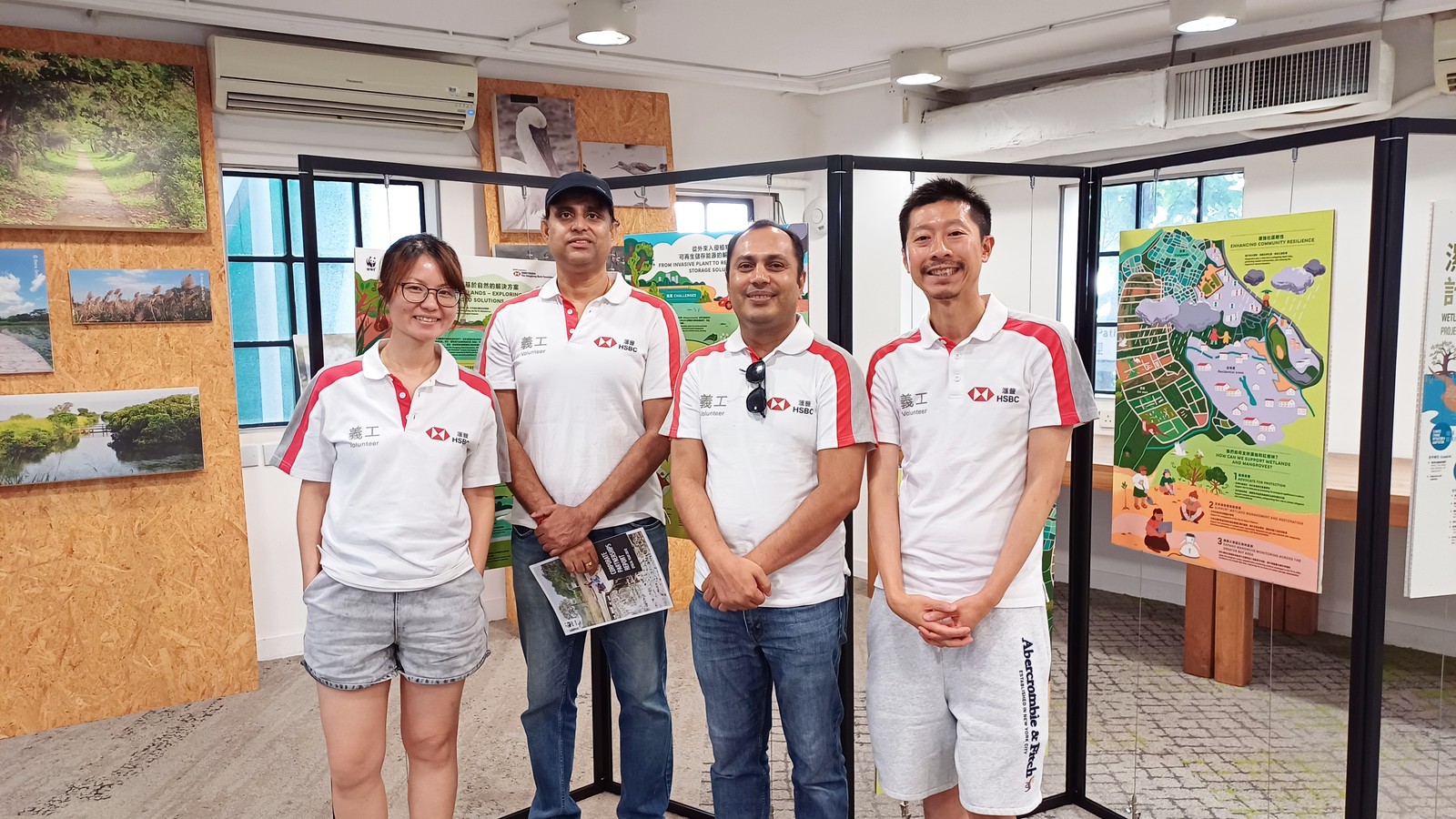
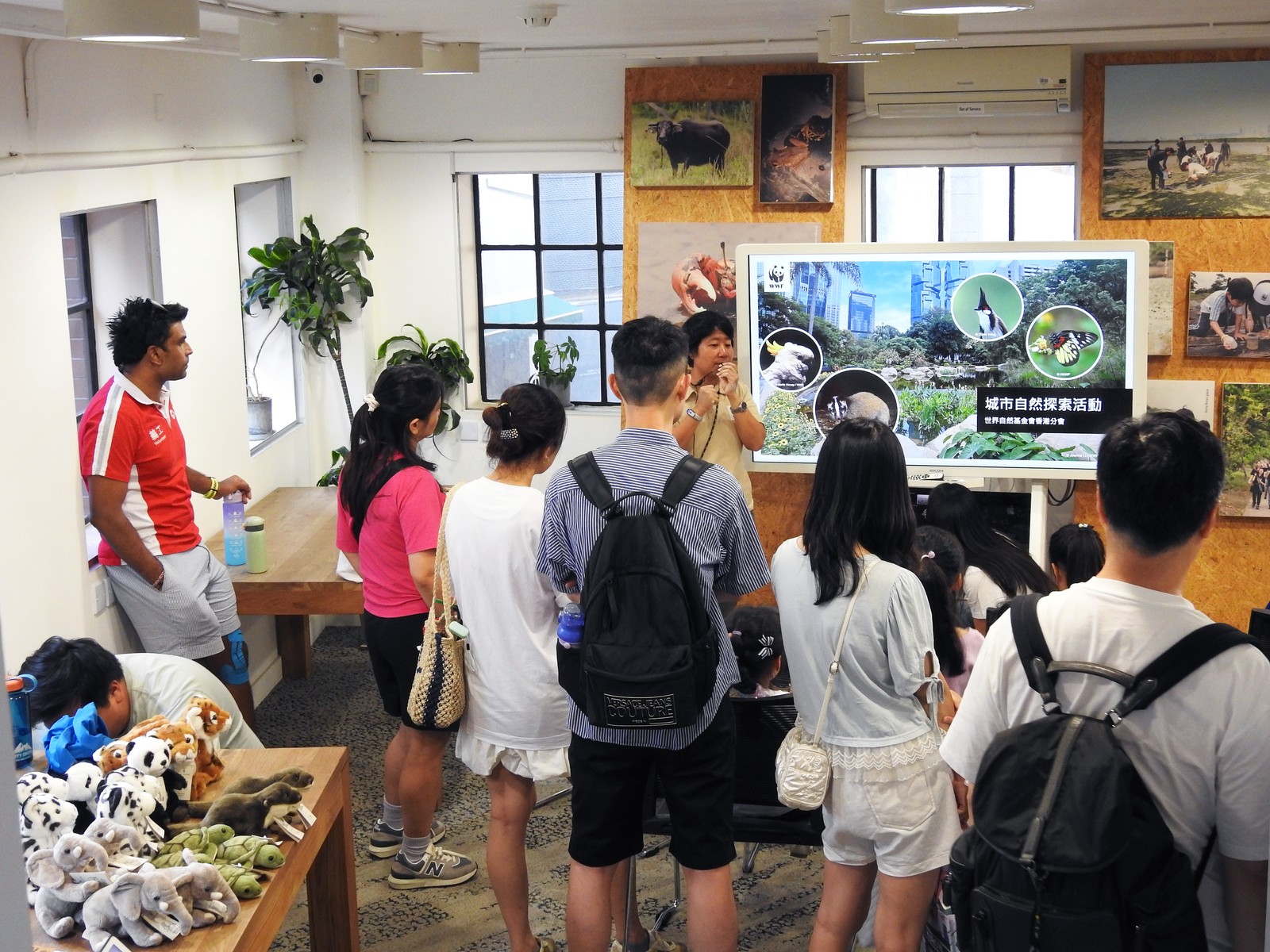
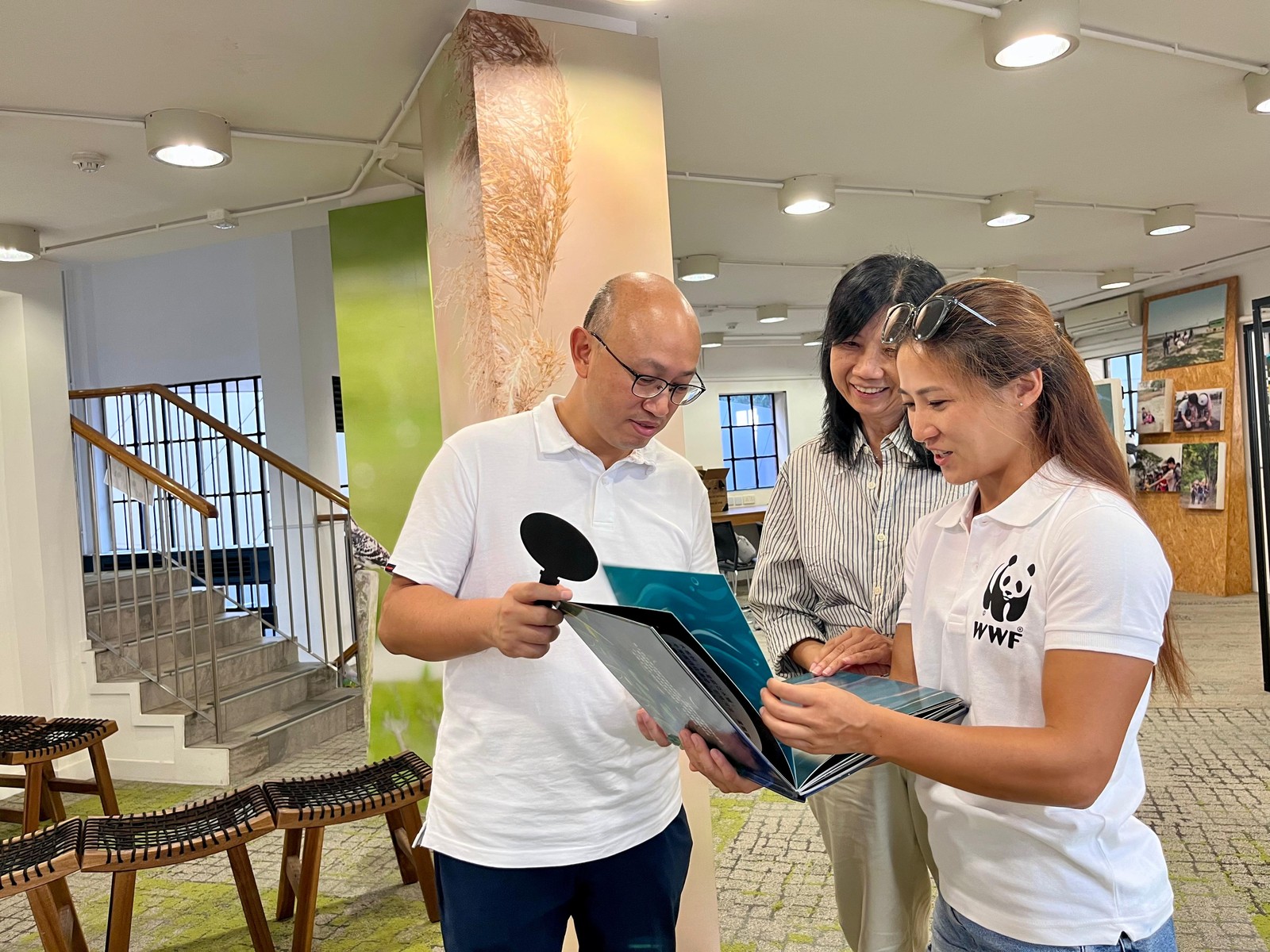
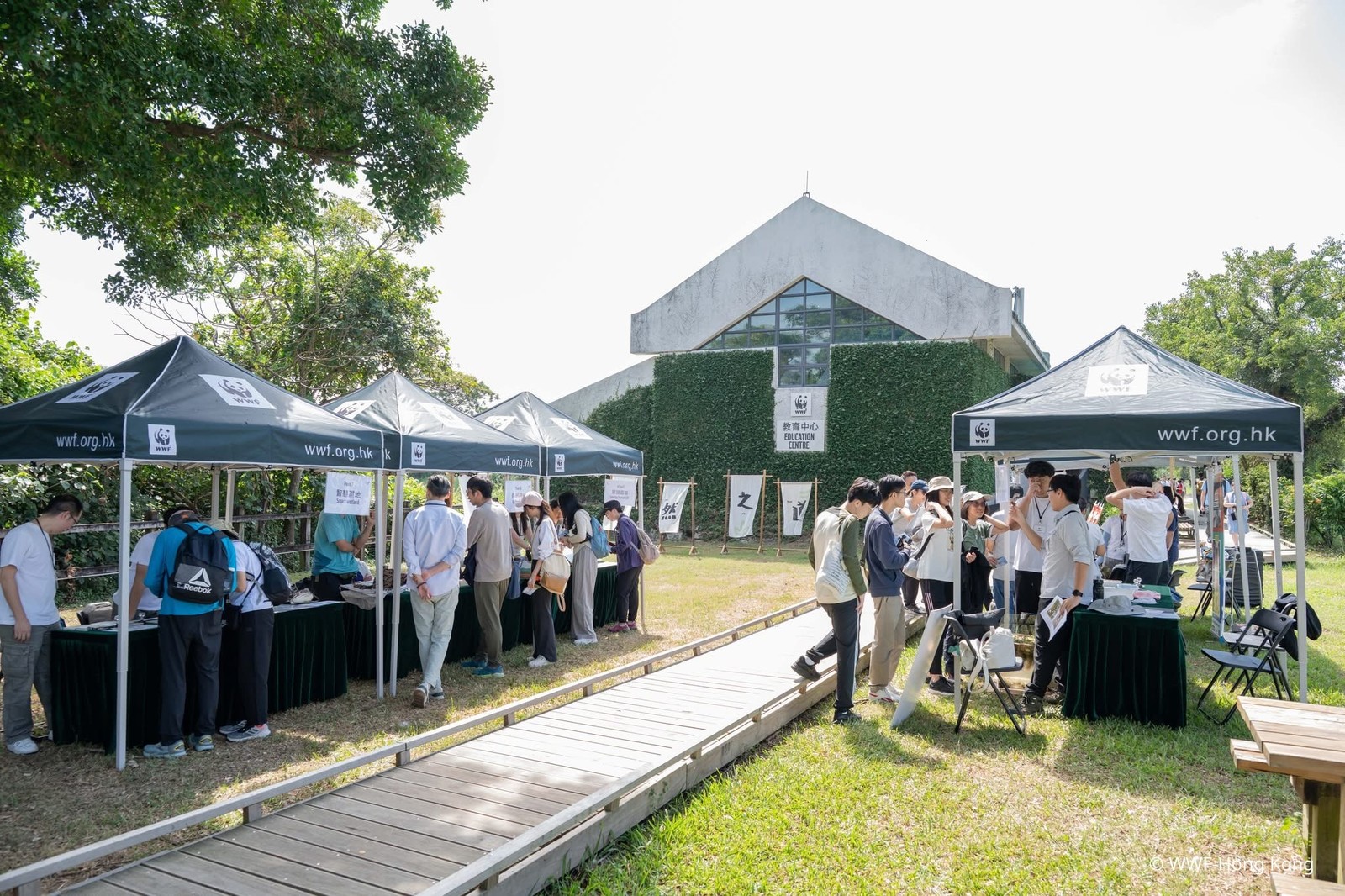
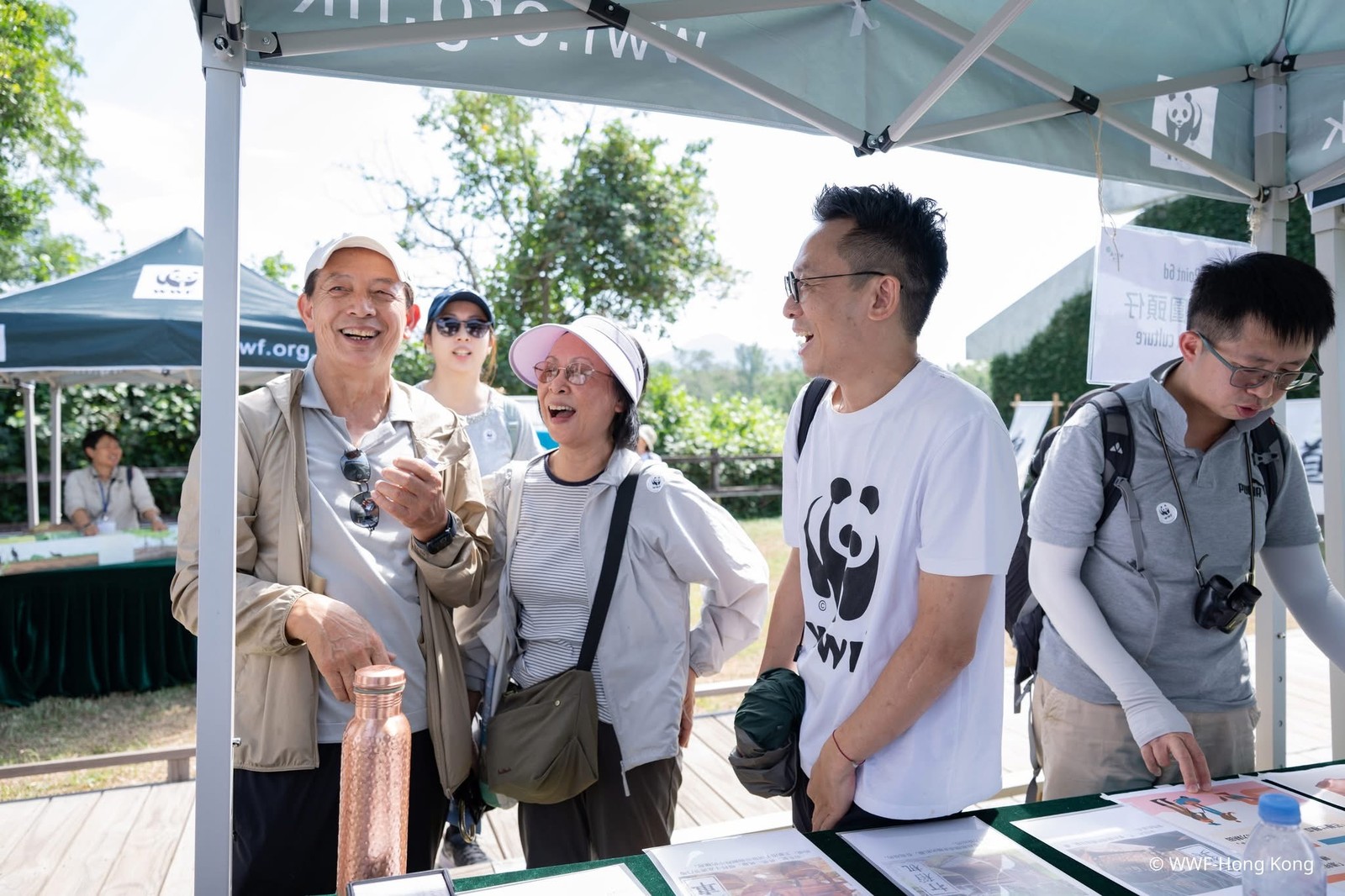
The GMP Project actively involves diverse stakeholders who volunteer in rice planting and maintenance, restoring vital habitats for migratory birds and enriching wetland biodiversity

.jpg)

.jpg)