Hong Kong Biodiversity

WWF-Hong Kong
Font size:
A
A
A

Hong Kong’s biodiversity faces mounting pressures from urbanisation and habitat loss, with many species at risk of local extinction. WWF-Hong Kong is committed to safeguarding our rich natural heritage through advocacy, scientific research and strategic partnerships. The 2025 fiscal year saw several landmark accomplishments – the release of The State of Hong Kong Biodiversity 2025 report, a collaboration with the Hong Kong Institute of Landscape Architects (HKILA) to promote Nature-based Solutions (NbS) in urban development, and community-led advocacy initiatives to preserve critical agricultural and wetland habitats. These highlight our leadership in conserving biodiversity and building resilience for both nature and society.

The State of Hong Kong Biodiversity 2025

WWF-Hong Kong

Local experts and ecologists joined forces on the State of Hong Kong Biodiversity 2025 report, revealing that a quarter of species in Hong Kong are at risk of local extinction

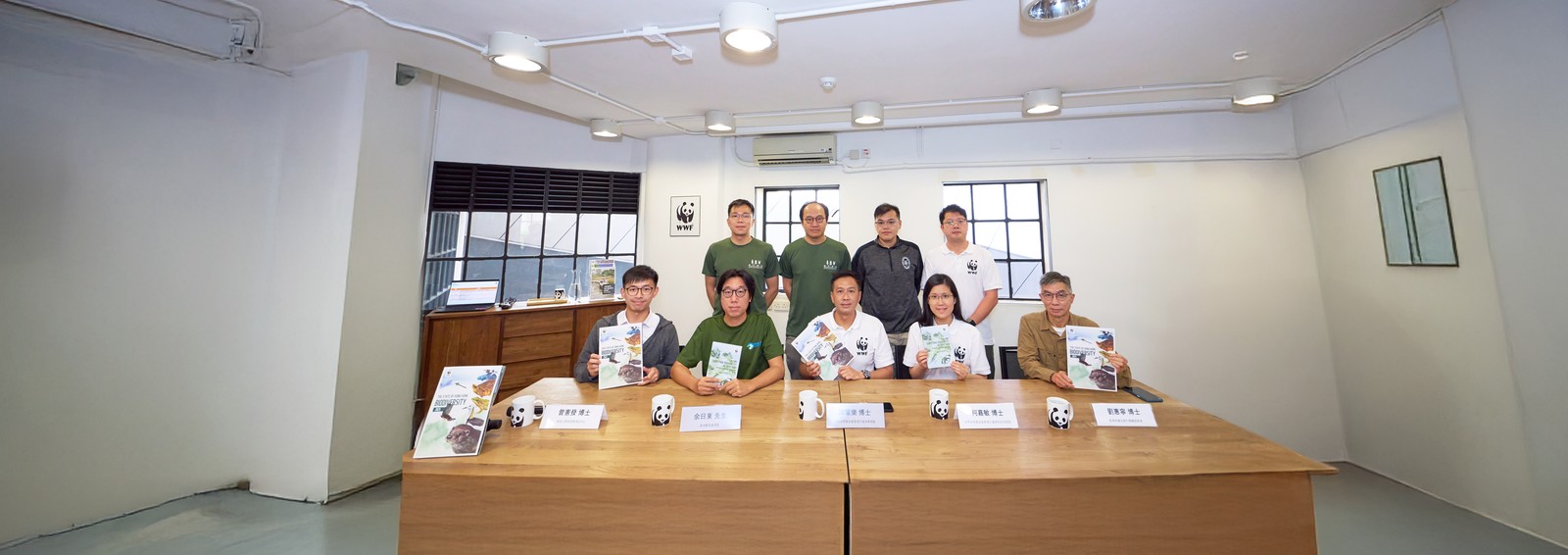
In March 2025, WWF-Hong Kong collaborated with the Hong Kong Bird Watching Society, Kadoorie Farm and Botanic Garden, Outdoor Wildlife Learning Hong Kong, and local experts to publish The State of Hong Kong Biodiversity 2025 report.

Leveraging the expertise of 24 local ecologists, this comprehensive assessment evaluated 886 terrestrial and freshwater species across eight animal groups. Alarmingly, the report revealed that 21 of the 886 assessed species have already disappeared from Hong Kong entirely, and over a quarter (232 out of 886) are at risk of local extinction.

Birds and freshwater fish are among the most threatened, with nearly half of the species facing moderate to high extinction risks. Species dependent on vulnerable lowland habitats such as freshwater marshes, rivers, farmland, and open country face the most critical declines, driven primarily by habitat loss, degradation, poaching, and invasive species.

The report was complemented by the Hong Kong Terrestrial Biodiversity Hotspot Map 2025, identifying 27 key biodiversity hotspots. Though they make up only 6% of Hong Kong’sland area, they harbour about 95% of the at-risk species.Disturbingly, nearly 80% of these hotspots have suffered ecological vandalism, while almost half overlap with planned or committed development projects, highlighting the urgent need for immediate conservation action to safeguard these biologically rich yet unprotected and vulnerable areas and prevent further biodiversity loss.

Published as a timely update to the last comprehensivebiodiversity assessment conducted more than two decades ago, this report provides critical, science-based and up-to-date insights that will be instrumental for strategic conservation planning, policymaking and public engagement. The findings stress the critical need to protect and restore key habitats to safeguard Hong Kong’s ecological resilience and biodiversity.

WWF-Hong Kong
Jeffery Chan
Tommy Hui / WWF-Hong Kong

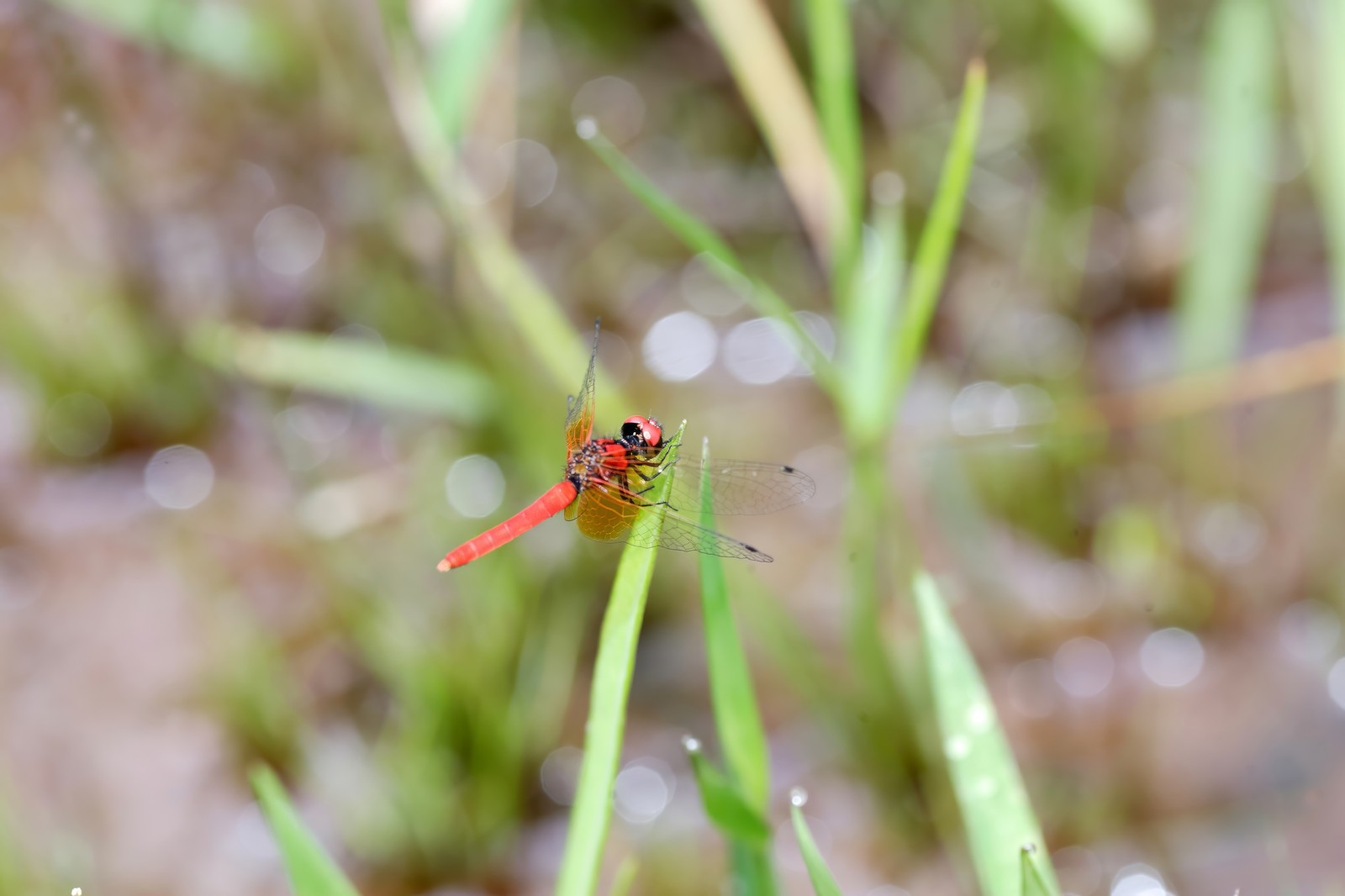
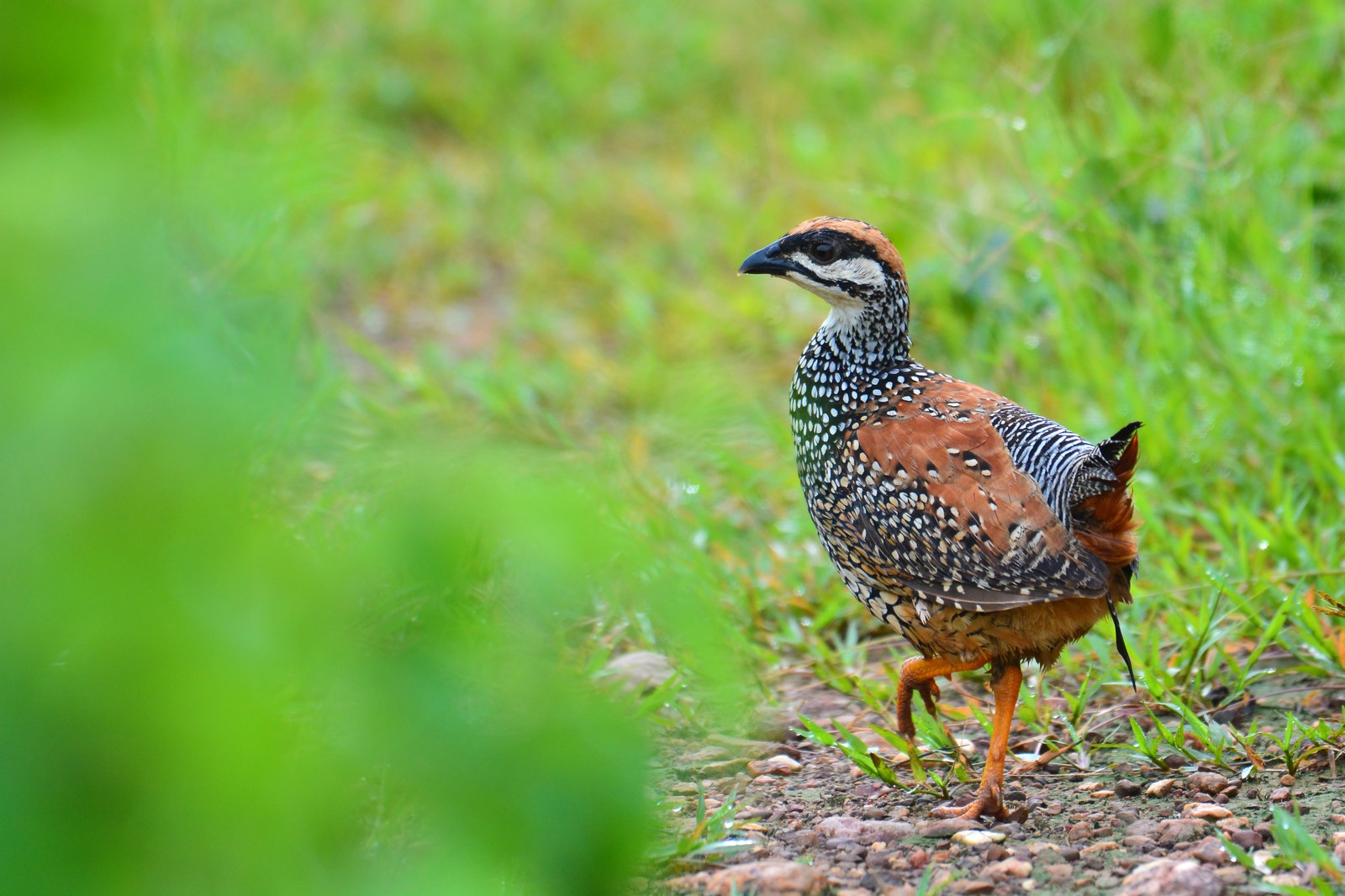
Species such as the Eurasian Otter, Chinese Francolin, Three-banded Box Turtle, Three-striped Grass Frog, Japanese Eel, and Scarlet Dwarf have been assessed in the report as facing moderate to high risk of local extinction, and are currently facing various anthropogenic threats
Strategic Partnership with the Hong Kong Institute of Landscape Architects

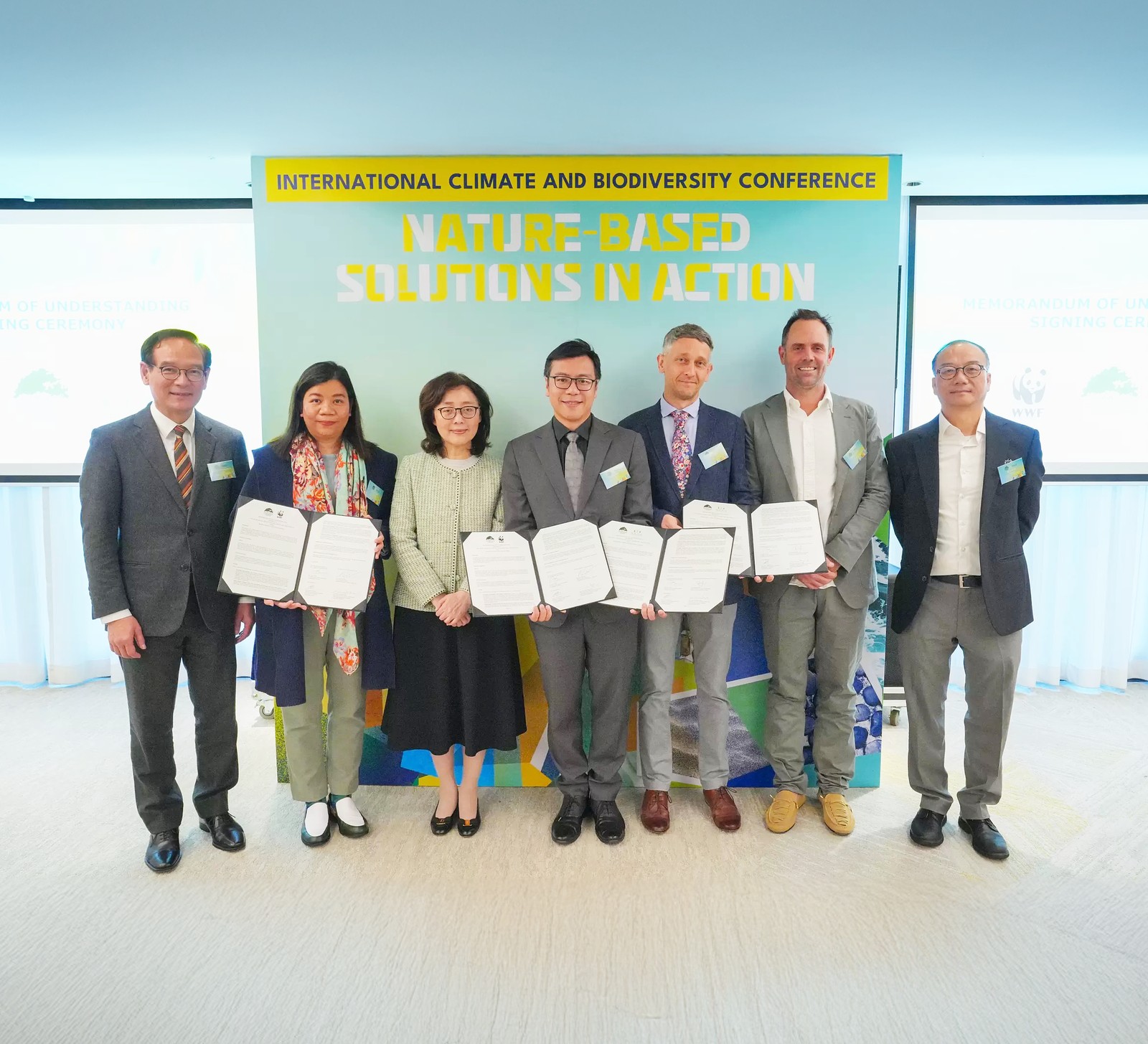
In March 2025, WWF-Hong Kong signed a Memorandum of Understanding (MoU) with HKILA to jointly promote the integration of NbS in Hong Kong’s urban planning and development. HKILA, representing landscape architects across the city, advocates sustainable urban design that aligns with natural ecosystems.

The MoU advances our mission to collaborate with professional bodies, allowing us to combine expertise to develop innovative solutions to biodiversity loss and climate change. Together, we will engage in joint advocacy, research and knowledge sharing to embed NbS into policy and infrastructure projects.

Early key initiatives include influencing government policies such as the Northern Metropolis’s Wetland Conservation Parks System, enhancing habitat connectivity, floodresilience and green infrastructure. The partnership also hopes to set standards for adopting NbS across the public and private sectors.

Building on our prior joint efforts, the partnership proposes multifunctional green spaces, ecological corridors for wildlife, flood resilience measures, avian-safe building practices, and farmland protection. This visionary alliance is shaping a sustainable, nature-positive urban future for Hong Kong.

WWF-Hong Kong

Representatives from the Hong Kong government, LegCo, WWF-Hong Kong, HKILA, and other partners at the MoU signing ceremony

Community Advocacy for Farmland Biodiversity

WWF-Hong Kong actively campaigns for stronger protection for ecologically valuable agricultural lands and wetlands. In January 2025, we participated in a policy seminar and site visits organised by The Chinese University of Hong Kong, together with other concerned groups that addressed Hong Kong’s new policy of Agricultural Priority Areas (APAs). At the seminar, we emphasised that several Lantau Island farmland areas, in Luk Tei Tong, Ha Tsuen Long, Pak Ngan Heung, and Butterfly Hill – all of which meet government criteria but are excluded from APAs – should be designated as APAs due to their high ecological and agricultural value.

Through collaborative efforts and field assessments, we urge that transparent policy criteria be used to ensure comprehensive farmland protection. These engagements promote public dialogue and push for conservation policies that balance biodiversity preservation with sustainable agriculture, reinforcing our commitment to protecting Hong Kong’s rural biodiversity and our cultural heritage.

Tommy Hui / WWF-Hong Kong

Our site visits revealed that some areas of farmland in Mui Wo are in similar or better condition than designated APAs

Next page|
Mai Po & Wetlands
Share this page